Michael Schwartz, DMD

7 Common Brushing Mistakes That Hurt Your Teeth (and How to Fix Them)

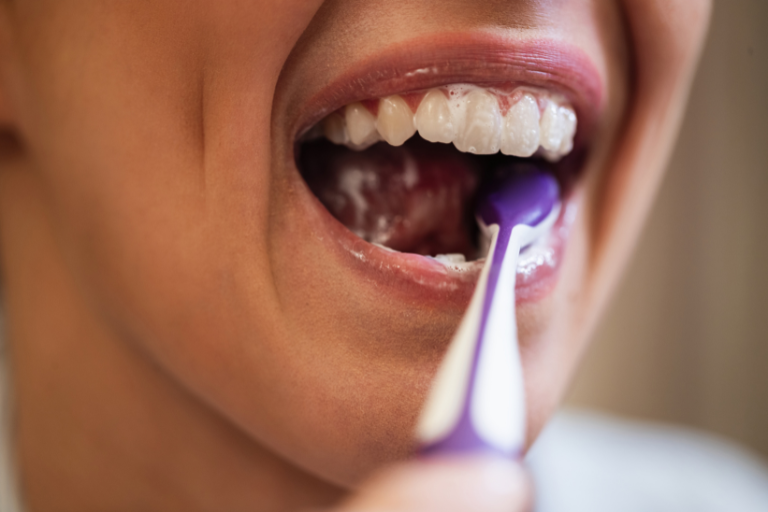
Brushing your teeth seems simple, right? Grab a toothbrush, apply some toothpaste, scrub, rinse, and you’re done. But even small mistakes in your daily routine can lead to gum irritation, enamel wear, and cavities over time. Many people don’t realize that their brushing habits could actually be harming their teeth rather than protecting them.
Whether you’re a lifelong Scottsdale resident or recently moved to the Valley of the Sun, understanding proper brushing technique is essential for maintaining a healthy, bright smile. In fact, a few adjustments in your daily routine can save you trips to the dentist in Scottsdale and keep your teeth in top condition.
Here are seven common brushing mistakes and simple ways to fix them, along with tips on when visiting a dentist can help ensure your oral health stays on track.
Fix Your Brushing, Protect Your Smile Today!

Thanks for taking the time to read our expert tips on the most common brushing mistakes and how to avoid them! At Pinnacle Peak Dentistry, our experienced dentist Dr. Michael Schwartz, DMD, and our caring team are dedicated to helping you maintain strong, healthy teeth and gums while preventing long-term dental problems.
Whether you’re dealing with sensitivity, plaque buildup, or enamel wear, understanding proper brushing techniques can make a big difference. Our guidance is always personalized and focused on your overall dental health, so you can feel confident knowing your daily routine supports lasting oral wellness.
1. Brushing Too Hard
It may seem like applying more pressure will clean your teeth better, but brushing too hard can actually wear down enamel and irritate gums. Signs include receding gums and tooth sensitivity.
How to fix it:
- Use a soft-bristled toothbrush.
- Hold the brush like a pen rather than gripping it tightly.
- Let the bristles do the work—gentle circular motions are more effective than aggressive scrubbing.
2. Using the Wrong Toothbrush
Not all toothbrushes are created equal. Hard bristles can damage enamel, while a worn-out brush loses effectiveness.
How to fix it:
- Choose a toothbrush with soft bristles and a small head for easy access to back teeth.
- Replace your toothbrush every 3–4 months, or sooner if the bristles are frayed.
3. Skipping the Gumline
Many people focus only on the tooth surface and neglect the gumline, which is where plaque tends to accumulate. Ignoring it can lead to gum disease.
How to fix it:
- Angle your brush at 45 degrees toward the gumline.
- Use gentle strokes along the edges of your teeth and gums.
4. Brushing Too Quickly
Rushing through your brushing session is a common mistake. Most people spend less than a minute, but dentists recommend at least two minutes. Skipping time can leave plaque and bacteria behind.
How to fix it:
- Divide your mouth into four sections and spend 30 seconds on each.
- Use a timer or play a two-minute song to make it fun.
5. Ignoring Your Tongue
Your tongue can harbor bacteria that cause bad breath and plaque buildup. Brushing it lightly helps reduce bacteria and improves overall oral hygiene.
How to fix it:
- Gently brush your tongue from back to front or use a tongue scraper.
- Rinse thoroughly after brushing.
6. Using Too Much Toothpaste
It might be tempting to pile on a large blob of toothpaste, but more isn’t better. Excessive toothpaste can cause irritation and doesn’t increase cleaning efficiency.
How to fix it:
- Use a pea-sized amount for adults.
- Make sure it contains fluoride, which strengthens enamel and prevents cavities.
7. Not Flossing or Complementing Brushing
Brushing alone only cleans about 60% of your tooth surfaces. Food particles and plaque can remain between teeth, leading to cavities and gum issues.
How to fix it:
- Floss daily, ideally before brushing at night.
- Consider interdental brushes or water flossers if traditional flossing is challenging.
Quick Tips for Better Brushing in Scottsdale
Living in Scottsdale, the local climate can impact oral health. Dry air can lead to dry mouth, which increases the risk of cavities. Staying hydrated, chewing sugar-free gum, and maintaining regular dental visits can help keep your smile healthy.
- Drink plenty of water to counteract dry desert air.
- Schedule routine checkups with a trusted dentist in Scottsdale to catch issues early.
- Consider fluoride treatments if your tap water doesn’t meet recommended fluoride levels.
Always wonderful and professional care! Dr. Schwartz helped me in an emergency situation on a weekend. Dental cleanings very well done! – D Caraghar
Thinking about a visit? Let our Google reviews guide your decision.
Take Control of Your Oral Health Today
Brushing mistakes are common, but they’re easy to fix with awareness and small adjustments. By taking the time to brush properly, floss, and maintain regular dental visits, you can prevent cavities, gum disease, and other dental issues.
If you’re unsure whether your brushing technique is harming your teeth or if you’re looking for a thorough professional cleaning schedule a visit with Pinnacle Peak Dentistry, a trusted dentist in Scottsdale. Our team provides personalized guidance, preventive care, and cosmetic services to help you achieve a healthy, radiant smile.
Don’t wait for a problem to appear, book your appointment today and give your teeth the care they deserve!
FAQs
How Often Should I Brush My Teeth?
Brush twice a day for at least two minutes each time. Brushing after meals is ideal, but wait at least 30 minutes after acidic foods to protect enamel.
Can I Use An Electric Toothbrush Instead Of A Manual One?
Absolutely! Electric toothbrushes can make it easier to use proper technique and ensure thorough cleaning, especially if you struggle with timing or brushing pressure.
What’s The Best Toothpaste For Sensitive Teeth?
Toothpaste with fluoride and desensitizing agents like potassium nitrate is recommended. Your dentist can help choose the right brand for your needs.
How Often Should I Replace My Toothbrush?
Every 3–4 months or sooner if the bristles are frayed. A worn brush doesn’t clean effectively.
Does Brushing Harder Remove More Plaque?
No. Brushing harder can damage enamel and gums. Gentle, proper technique is more effective.