
Michael Schwartz, DMD

Dental Crowns: Purpose, Types, Procedure, and Care

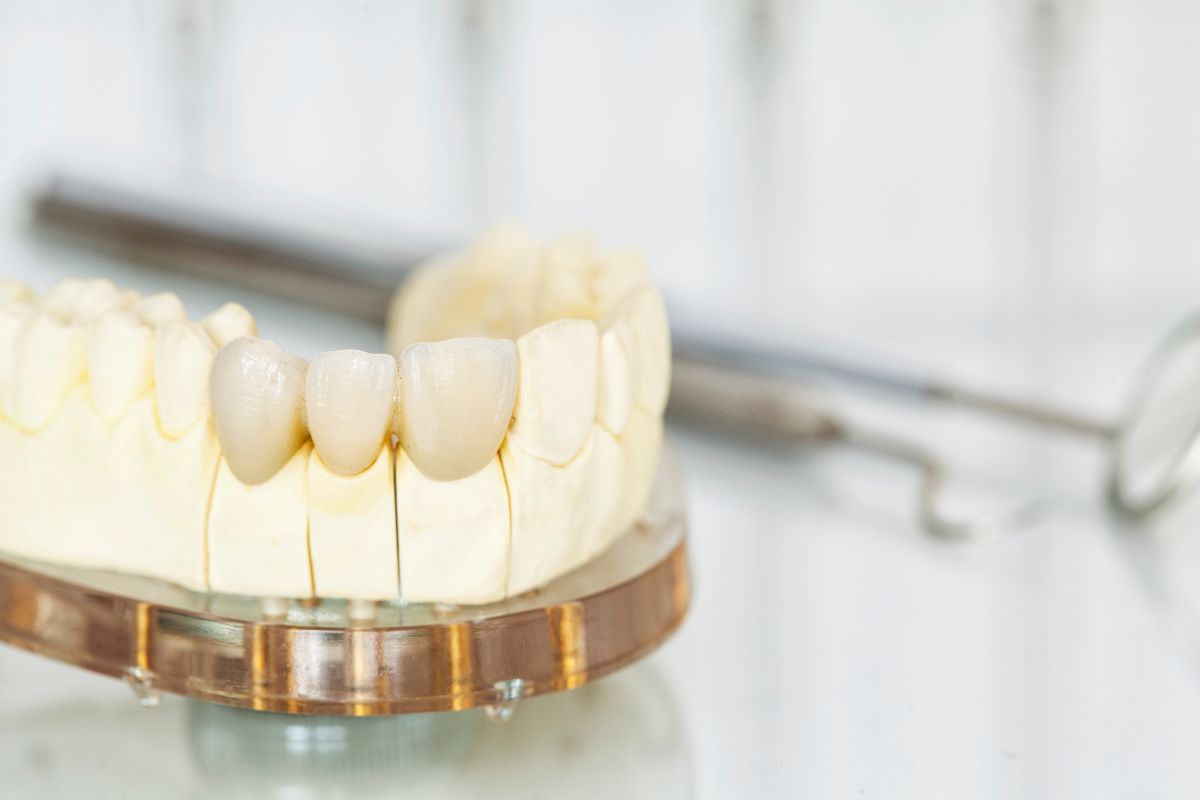
Dental crowns are a vital solution in restorative dentistry, offering long-lasting, effective ways to repair and protect teeth. Whether due to decay, injury, or cosmetic reasons, crowns help restore the function and appearance of the tooth. Commonly used in restorative dentistry in Scottsdale, crowns are essential when a filling can’t repair the tooth entirely.
In Scottsdale, those considering dental crowns should understand what makes this treatment so valuable. The answer is its various types and proper care tips to maximize benefits. Here’s an in-depth guide on everything you need to know about dental crowns and how they enhance your smile.
What Are Dental Crowns?
Protective caps called dental crowns are applied to weak or broken teeth, restoring structure, shape, and function. These caps encase the tooth fully, providing reinforcement against future damage while restoring aesthetic appeal.
A dental crown replicates the natural look of a tooth and is custom-fitted for comfort. It’s a stable, long-term solution that helps avoid tooth extraction by reinforcing weakened areas. It makes it an ideal choice for those aiming to save their natural teeth.
The Purpose of Dental Crowns
Dental crowns serve multiple purposes, addressing both restorative and cosmetic needs:
Protecting Weak Teeth: Crowns provide support for teeth weakened by decay or large fillings, preventing further breakage.
Restoring Broken Teeth: They effectively restore the structure of the tooth if it’s cracked or severely worn down.
Covering Dental Implants: Crowns act as artificial teeth, placed atop implants to provide a complete, natural look.
Enhancing Aesthetic Appearance: They can improve the shape of the tooth, color, and alignment, which is especially useful in smile makeovers.
Securing Dental Bridges: Crowns help anchor dental bridges, adding stability and function to the surrounding teeth. Dental crowns offer strength and stability, playing a significant role in long-term tooth restoration.
Types of Dental Crowns
The material of a dental crown impacts its durability, appearance, and suitability for different patients. Here are the primary types of crowns:
Porcelain or Ceramic Crowns: Made entirely of ceramic, these crowns are popular for their natural look, blending seamlessly with existing teeth. Ideal for front teeth, they are also metal-free, making them a choice for those with metal allergies.
Metal Crowns: Crafted from metals like gold or palladium, these crowns are extremely durable and suitable for back teeth that endure heavy biting forces. Selecting the right crown type involves discussing with your dentist based on your needs, dental habits, and budget.
The Dental Crown Procedure
Usually, the dental crown process requires two visits:
Preparation:
During the first visit, the dentist examines the tooth and removes any decayed areas to prepare it for the crown. Next, they take impressions of the prepared tooth and surrounding teeth to create a custom-fitted crown. A temporary crown is placed to protect the tooth while the permanent one is crafted.
Permanent Crown Placement:
At the second appointment, the dentist removes the temporary crown and checks the permanent crown for fit, shape, and color. Once adjustments are complete, the crown is bonded securely to the tooth with dental cement.
This multi-step procedure ensures a durable, comfortable fit, allowing the crown to function as naturally as possible. The process is efficient, and with local anesthesia, it remains a relatively painless experience.
Caring for Dental Crowns
Proper care extends the life of your dental crown and prevents complications. Follow these guidelines to maintain the durability and appearance of your crown:
Daily Cleaning: Brush and floss daily to keep the crown and surrounding teeth clean. Pay close attention to the gum line to avoid plaque accumulation.
Avoid Hard or Sticky Foods: While crowns are strong, hard foods like ice or sticky candies can damage them or loosen the cement.
Regular Dental Check-Ups: Routine visits to your local dentist help detect early signs of wear and ensure your crown stays in good shape.
Managing Grinding and Clenching: Tooth grinding can wear down crowns. If your dentist recommends it, consider a night guard.
Preventive measures, such as maintaining regular hygiene and avoiding damaging habits, ensure the longevity of your crown. With the right care, crowns can last many years and continue effectively supporting your dental health.
Enhance Your Smile with Dental Crowns From Us
Dental crowns provide a variety of options for improving the beauty and functionality of teeth. From covering dental implants to enhancing cosmetic appeal, crowns serve as a reliable, restorative option.
Selecting the right type and ensuring proper aftercare allows you to enjoy the many benefits crowns provide. For those considering dental crowns in Scottsdale, this solution can transform your dental health and confidence. Reach out to us, explore options, and begin your journey to a restored smile.
Ready to restore your smile? Request an Appointment or call us at (480) 585-3065 to schedule your consultation today and explore your options for dental crowns.