Michael Schwartz, DMD

How To Prevent Gum Disease

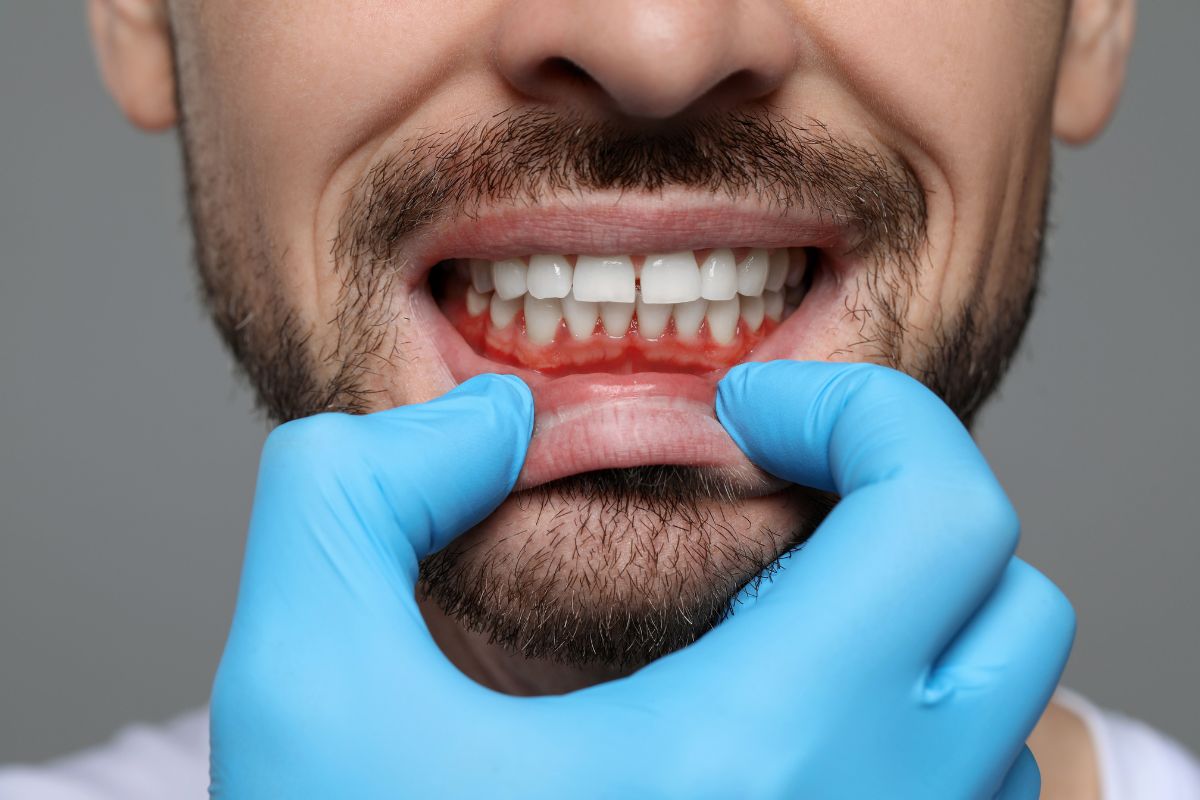
Gum disease is a serious dental condition that can lead to severe oral health problems, including tooth loss, if not treated in time. It often develops due to poor oral hygiene, which allows plaque to build up on your teeth and gums. Not removing plaque can irritate your gums, cause inflammation, and lead to infection.
The good news is that gum disease is entirely preventable with the right care. You can maintain healthy gums and avoid complications by heeding a consistent oral hygiene routine and visiting your dentist regularly. A dentist in Scottsdale can provide professional cleanings to remove plaque and tartar, ensuring your gums remain in excellent health.
These steps will protect your gums and preserve your bright, healthy smile for years.
Why Gum Disease Occurs and How To Prevent It
Understanding your oral health is worth the effort is the prime step towards oral care. Gum disease starts when bacteria in the mouth create plaque, a sticky film that builds up on teeth and gums. If not removed regularly, it can turn into tartar, which can only be removed by a dentist. Tartar can irritate the gums, leading to gingivitis, the earliest stage of gum disease.
Preventing gum disease involves controlling your mouth’s bacteria and ensuring plaque does not accumulate. Regular brushing, flossing, and visits to your dentist can prevent plaque from building up and reduce your risk of developing gum disease.
Brush Your Teeth Regularly
The foundation of gum disease prevention lies in brushing your teeth properly and regularly. Brushing your teeth twice a day and using fluoride toothpaste helps remove plaque and food particles that can lead to bacteria build-up. Use a soft-bristled toothbrush and replace it every 3 to 4 months to ensure effective cleaning.
By brushing for two minutes, you ensure all areas of your mouth are thoroughly cleaned, including the gum line, where plaque can accumulate. Additionally, clean your tongue to remove bacteria and help freshen your breath.
Floss Daily To Remove Plaque Between Teeth
Flossing is crucial in gum disease prevention as it cleans areas your toothbrush cannot reach. Food particles and plaque can easily accumulate between your teeth and along the gum line, increasing the chances of gum disease if left undisturbed.
Daily flossing empties plaque build-up and reduces the risk of gingivitis and more severe gum disease.
Make sure to floss gently to avoid damaging the gums, and use a fresh section of floss for each tooth to ensure thorough cleaning.
Use Antibacterial Mouthwash
In addition to brushing and flossing, using an antibacterial mouthwash can help reduce bacteria in your mouth. Mouthwash kills harmful bacteria, reducing the risk of plaque build-up and supporting healthier gums. It also helps to freshen your breath.
Consult your dentist or pharmacist to choose a mouthwash that best suits your needs. Some mouthwashes contain fluoride to protect teeth against cavities, while others contain antibacterial agents to target gum disease-causing bacteria.
For further assistance, you can visit your Scottsdale dentist. This is vital for monitoring the health of your gums.
Professional cleanings and assessments can catch gum disease in its early stages and prevent it from developing further.
Maintain A Healthy Diet
A balanced diet plays a vital role in gum health. Nutrients such as vitamin C, calcium, and antioxidants help support healthy gums and teeth. Vitamin C, for example, boosts your immune system and helps your body fight off infections, including gum disease.
Limiting sugary snacks and drinks can also help prevent gum disease. Sugar feeds the bacteria that contribute to plaque and tartar build-up, so lessening sugary foods helps maintain oral health.
Avoid Smoking Or Tobacco Products
Tobacco use is a major risk factor for gum disease. Smoking and chewing tobacco can cause plaque to form on the teeth more rapidly and make it more difficult for the gums to heal.
Additionally, tobacco use weakens your immune system, making it harder for your body to fight off infections.
Quitting smoking and avoiding tobacco products is one of the most effective ways to prevent gum disease. If you need help quitting, consult your doctor or dentist for guidance and support.
Stay Hydrated
Drinking plenty of water helps rinse away food particles and bacteria from your mouth. Saliva is essential in keeping your mouth clean, and staying hydrated encourages saliva production, which helps prevent dry mouth.
A dry mouth can increase your risk of developing gum disease as there is less saliva to neutralize acids and wash away harmful bacteria.
Drink water throughout the day to maintain a healthy mouth and reduce the chances of gum disease. Avoid sugary drinks, as they can increase the risk of cavities and gum infections.
Do A Routine Check-Up
Routine dental check-ups are crucial for the prevention of gum disease. Your dentist will check the health of your gums and look for early signs of gum disease, such as inflammation or bleeding. Professional cleanings are essential to remove plaque and tartar that have built up despite your regular brushing and flossing.
Visiting your dentist regularly also ensures that any issues with your gums or teeth are detected early, making treatment simpler and more effective.
Ensure you attend your appointments and follow your dentist’s recommendations for maintaining oral health. You may schedule an appointment with our reputed dentist to ensure that your dental health is maintained.
Protect Your Gums For A Healthy Smile
Preventing gum disease is within your control, and with the right habits and professional care, you can keep your gums healthy for a lifetime. Simple daily practices and regular dental check-ups with a dentist in Scottsdale play a key role in protecting your oral health and reducing the chances of gum-related issues.
For the best results, book your appointments Today to receive a personalized oral health plan that suits your needs and addresses any concerns you may have.