
Michael Schwartz, DMD

Can You Whiten Just One Tooth? Causes & Solutions for Single-Tooth Discoloration

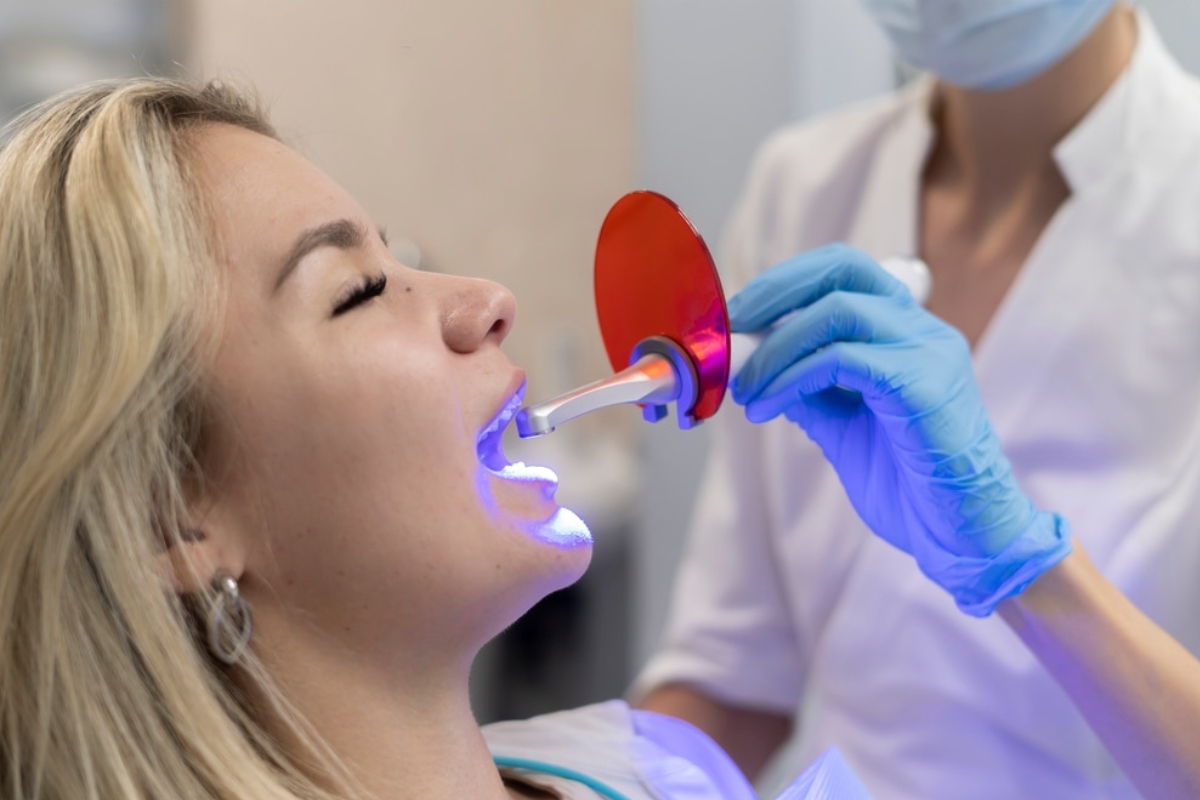
A bright, even smile is one of the most noticeable features a person can have. But sometimes, a single tooth can stand out for the wrong reason, appearing darker, more yellow, or stained compared to the rest. This subtle yet noticeable difference can affect your confidence in photos, conversations, and everyday interactions.
Unlike general discoloration that affects all teeth equally, a single discolored tooth often points to a specific cause, such as past injury, internal damage, or changes after dental treatment. While it might seem like a small cosmetic concern, it can signal underlying dental health issues that shouldn’t be ignored.
The good news is that modern dentistry offers highly targeted treatments to restore the color of just one tooth, making it blend seamlessly with the rest of your smile. In this guide, we’ll explain why it happens, when home remedies may help, and how professional procedures, including teeth whitening treatment in Scottsdale, can bring back a naturally uniform smile.
Say Goodbye to Tooth Discoloration

Thanks for taking the time to read our expert insights on understanding and managing single-tooth discoloration! At Pinnacle Peak Dentistry, Dr. Michael Schwartz and our dedicated dental team focus on providing thoughtful, detail-oriented care to help restore a natural, even tooth appearance.
Whether you are noticing a sudden change in the shade of one tooth or exploring cosmetic options to improve dental aesthetics, professional evaluation can help determine the underlying cause and the most suitable treatment approach.
Every consultation at Pinnacle Peak Dentistry is personalized and patient-focused, ensuring that concerns about tooth discoloration are addressed with precision and care. With modern dental techniques and a commitment to high-quality treatment, achieving a balanced, natural-looking tooth color is possible with the right guidance.
Major Causes of Single-Tooth Discoloration
Some of the most frequent causes of a single tooth becoming darker or stained include:
- Trauma or injury – A hit to the mouth can cause internal bleeding within a tooth, leading to long-term discoloration.
- Root canal treatment – After a root canal, a tooth may darken due to changes inside the structure.
- Decay or enamel defects – Cavities or natural irregularities can make one tooth appear yellow or brown.
- Medications or dental materials – Certain antibiotics or older fillings can discolor a tooth over time.
If you notice one tooth changing color, it’s important to find out the cause before choosing the right treatment.
Can You Whiten a Single Tooth at Home?
While over-the-counter products are marketed as easy solutions, whitening just one tooth at home can be tricky. Whitening strips, gels, and whitening pens often brighten all teeth evenly, which may make the contrast between your single dark tooth and your other teeth even more noticeable.
However, some home remedies may help if the discoloration is mild:
- Baking soda and hydrogen peroxide paste – Can gently lift surface stains, but should be used cautiously to avoid enamel wear.
- Whitening toothpaste – Works gradually for minor stains but won’t address internal discoloration.
- Good oral hygiene – Brushing twice daily, flossing daily, and limiting stain-causing foods and drinks can prevent further darkening.
If the stain is deep or caused by trauma, these home methods are unlikely to give the desired results.
Professional Solutions for Single Tooth Whitening
When you need targeted results, professional dental care is the most effective choice. Dentists can use specialized techniques to whiten just one tooth without affecting the surrounding ones.
Some options include:
- In-office whitening for a single tooth – A dentist applies a concentrated whitening gel directly to the affected tooth, often using a light to speed up the process.
- Internal bleaching – Used for teeth that have undergone root canal therapy. The whitening agent is placed inside the tooth for several days to lift deep stains.
- Composite bonding or veneers – For cases where whitening isn’t enough, these restorations can match the shade of surrounding teeth perfectly.
If you live in the area and want expert care, you can ask your cosmetic dental treatment provider about teeth whitening to ensure safe, targeted, and lasting results.
When to Seek Professional Advice
You should book a dental visit if:
- Discoloration appeared suddenly after an injury.
- The tooth feels sensitive or painful.
- Home whitening has no visible effect.
- The shade difference is noticeable in photos or daily interactions.
Early evaluation ensures you receive treatment that addresses both the appearance and health of your tooth.
Dr. Schwartz and his assistant work so well together. They explained every step, extremely gentle and a pleasure to have as my dentist. – R Finkel
Read our Google reviews to see why patients continue to choose our dental team.
A single discolored tooth can make a big difference in your smile’s appearance, but with the right approach, it can be restored to match your natural teeth. From home care for mild cases to advanced dental procedures for deeper stains, solutions are available for every need.
For expert guidance and precise care, please schedule an appointment with Pinnacle Peak Dentistry in Scottsdale, AZ, and consult with Dr. Michael Schwartz, our cosmetic treatment provider in Scottsdale, who can restore your smile’s harmony.
FAQs
Can You Whiten Just One Tooth?
Yes, it is possible to whiten a single tooth. Dentists can use targeted treatments such as in-office whitening or internal bleaching to brighten one tooth so it matches the rest of your smile without affecting surrounding teeth.
Why Does Only One Tooth Turn Yellow Or Dark?
A single tooth can become discolored due to trauma, root canal treatment, tooth decay, enamel defects, or certain medications. Unlike general staining, single-tooth discoloration usually indicates a specific underlying cause.
Can A Tooth Turn Dark After A Root Canal?
Yes. After a root canal treatment, a tooth may gradually darken because of changes inside the tooth structure. In many cases, dentists treat this with internal bleaching to restore the tooth’s natural color.
Does Tooth Trauma Cause Discoloration?
Yes. A hit or injury to the mouth can cause internal bleeding inside the tooth, which may lead to a gray, yellow, or dark appearance over time.
Can You Fix One Discolored Tooth Without Whitening The Others?
Yes. Dentists can apply targeted whitening treatments directly to the affected tooth or use cosmetic procedures such as bonding or veneers to match the shade of surrounding teeth.
Can Baking Soda Whiten A Single Tooth?
Baking soda combined with hydrogen peroxide may help remove minor surface stains, but it usually cannot treat deep or internal discoloration and should be used carefully to avoid damaging enamel.
When Should You See A Dentist For A Discolored Tooth?
You should see a dentist if the tooth changed color suddenly, feels sensitive or painful, or doesn’t respond to home whitening methods.
Can Cavities Cause A Single Tooth To Look Darker?
Yes. Tooth decay or enamel damage can cause discoloration, making one tooth appear brown, yellow, or darker than the surrounding teeth.
Are Veneers Or Bonding Used For Single Tooth Discoloration?
Yes. When whitening treatments are not effective, composite bonding or porcelain veneers can cover the discolored tooth and match it to the shade of your other teeth.