Michael Schwartz, DMD

How Dental Health Impacts Your Overall Wellness: The Hidden Connection

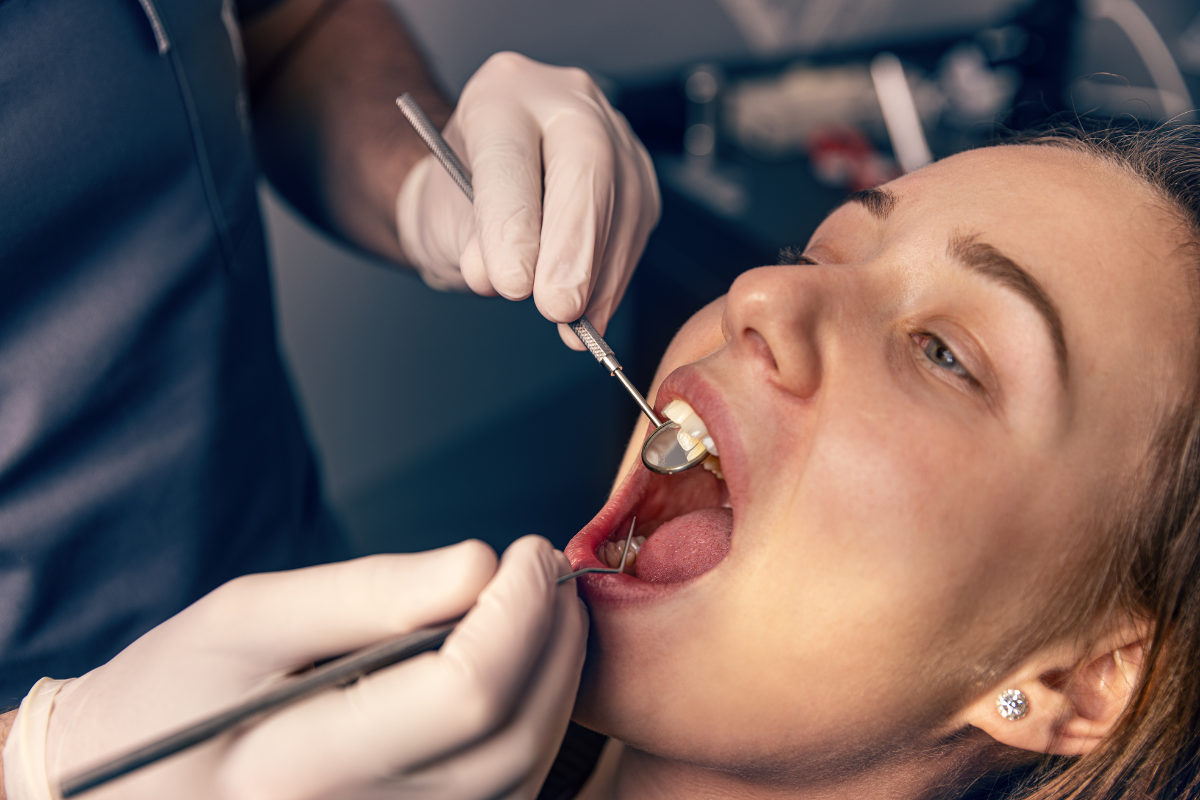
It’s easy to overlook dental health, but it’s a critical component of overall wellness. Many view our teeth as separate from the rest of our body, but dental health is intricately connected to our general well-being. Neglecting dental hygiene can lead to severe health conditions, underlining the urgency of this issue.
This blog explains why oral dental health is essential for overall well-being and how taking care of your teeth prevents other health conditions. Visiting a trusted Scottsdale dentist can help you maintain this crucial balance by providing preventive care and identifying issues early.
Why Does Dental Health Matter?
Your mouth is the gateway to your body. Maintaining good oral health is essential to preventing many health issues. According to the National Institute of Dental and Craniofacial Research, nearly half of the adults in the US aged 30 years and older have some periodontal disease. This condition leads to tooth loss and is linked to other health conditions like heart disease and diabetes.
When you neglect your oral health, harmful bacteria enter the bloodstream through the gum tissues, further contributing to inflammation in other body parts. This worsens chronic conditions like heart disease and even other complications during pregnancy. Moreover, maintaining a healthy smile boosts confidence and improves health.
What Is The Link Between Oral Health And Heart Problems?
Research shows a direct link between dental hygiene and heart disease. Periodontitis leads to inflammation and the release of bacteria in the bloodstream, which can further contribute to plaque buildup in arteries. It increases the risk of heart attacks, strokes, and other cardiovascular issues. According to the American Heart Association, individuals with gum disease are twice as likely to suffer from coronary artery problems.
The inflammation caused by untreated periodontal disease worsens the existing heart conditions. Therefore, keeping your gums and teeth healthy with regular flossing, brushing, and dental check-ups reduces the risk of heart problems.
The Link Between Oral Health And Diabetes
Diabetes is another condition affected by poor dental health. People with diabetes are vulnerable to developing gum disease due to high blood sugar levels, which impair the body’s ability to fight infections. Untreated gum disease makes it more difficult to control insulin levels, leading to a vicious cycle.
What is the Role of Regular Oral Check-Up?
Regular visits to your Scottsdale dentist are a cornerstone of good oral health. Even with daily brushing and flossing, some mouth areas are hard to reach and clean. A professional can spot the signs of cavities, periodontal disease, and other health issues early, giving you peace of mind and a proactive approach to your health.
How to Maintain Optimal Oral Health?
- Brush Your Teeth Twice Daily: Use a soft-bristled toothbrush with fluoride toothpaste to clean your teeth at least twice daily.
- Floss Every Day: Flossing helps eliminate food debris and plaque from the spaces between your teeth, which brushing alone cannot accomplish.
- Reduce Sugary Foods: Consuming too much sugar can result in cavities and tooth decay. Try to cut back on sugary treats and beverages.
- Stop Smoking: Smoking is a risk factor for gum disease, tooth loss, and oral cancer. Quitting can significantly enhance your oral health.
- Schedule Regular Dental Appointments: Visiting your dentist regularly for check-ups and professional cleanings is crucial for maintaining good oral health.
Oral health is more than just a healthy smile. It’s a direct link to your overall health and well-being. If you’re seeking a trusted dentist to help you achieve optimal oral health, consider contacting Pinnacle Peak Dentistry. Our dental practitioners provide the best care for your smile, ensuring your overall health is always the top priority. Visit us today and take a well-informed step toward better health.
FAQs
Why is dental health important for overall wellness?
Dental health affects your entire body. Poor oral hygiene can lead to gum disease, which is linked to heart disease, diabetes, and other chronic conditions.
Can gum disease really increase the risk of heart problems?
Yes, untreated periodontal disease causes inflammation and bacteria in the bloodstream, increasing the risk of heart attacks, strokes, and other cardiovascular issues
What are the early signs of periodontal disease?
Common signs include swollen or bleeding gums, persistent bad breath, loose teeth, and gum recession. Regular dental check-ups can detect these early.
How often should I visit a dentist for preventive care?
Most adults should see a dentist every six months for routine check-ups and professional cleanings to maintain optimal oral health.
Can poor oral hygiene cause inflammation in other parts of the body?
Yes, harmful bacteria from the mouth can enter the bloodstream, contributing to inflammation and worsening chronic conditions like heart disease and diabetes.
Does smoking affect oral health?
Absolutely. Smoking increases the risk of gum disease, tooth loss, and oral cancer. Quitting significantly improves both oral and overall health.