Michael Schwartz, DMD

Teeth Sensitive to Cold or Hot? Here’s What It Could Mean

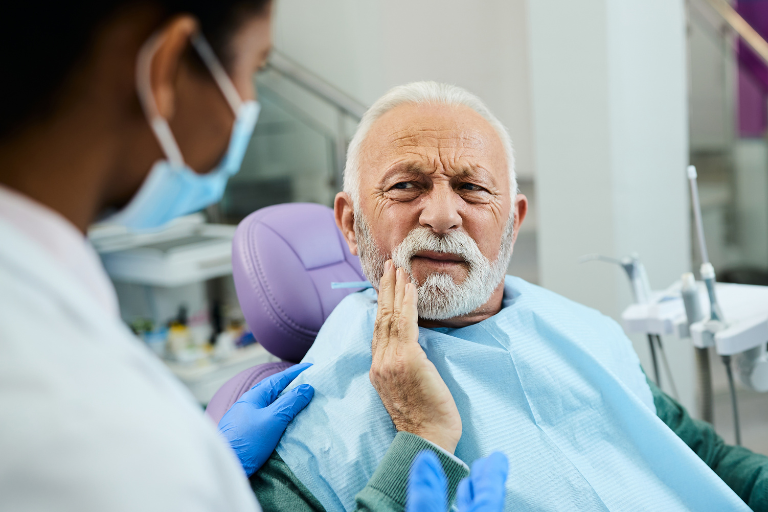
Ever taken a sip of ice water or a bite of hot pizza and felt a sudden, sharp zing in your teeth? You’re not alone. Having teeth sensitive to cold or hot foods and drinks is one of the most common complaints dentists hear and while it’s often harmless, it can also be your mouth’s way of flagging something that needs attention.
In this guide, we’ll walk through why teeth sensitive to temperature happens, what it might mean for your oral health, and when it’s time to see a dentist near you in Scottsdale.
Why Are My Teeth Sensitive to Cold or Hot?
Tooth sensitivity happens when the protective layers of your teeth wear down or become compromised, exposing the nerve endings underneath. Understanding the “why” helps you figure out what to do next.
Enamel Erosion
Your enamel is the hard, outer shield protecting your teeth. Over time, acidic foods, sugary drinks, and aggressive brushing can wear it thin. Once enamel erodes, hot and cold sensations travel more easily to the nerve, causing that familiar zing.
Gum Recession
Gums naturally protect the roots of your teeth. When gums recede often due to gum disease or brushing too hard the sensitive root surface is exposed, making teeth sensitive to cold air, drinks, and food.
Cavities or Tooth Decay
A cavity creates a small opening in your tooth, giving temperature changes (and sugar) direct access to the nerve. Sensitivity that’s isolated to one specific tooth is often a sign decay may be forming.
Cracked or Chipped Teeth
Even a tiny crack can let hot or cold sensations reach the inner nerve. This type of sensitivity often comes with sharp, brief pain when biting down.
Recent Dental Work
If you’ve had a filling, crown, or whitening treatment recently, some temporary sensitivity is normal. It typically fades within a few days to a couple weeks.
Teeth Grinding (Bruxism)
Grinding your teeth at night wears down enamel gradually, often without you realizing it until sensitivity shows up.
Common Signs Your Sensitivity Might Be More Serious
Not all sensitivity is equal. Here’s when it’s worth paying closer attention:
- Pain lingers for more than a few seconds after eating or drinking
- Sensitivity is getting worse over weeks or months
- Only one tooth is affected (rather than several)
- You notice visible pits, dark spots, or cracks
- Sensitivity is paired with swelling or bad breath
If any of these sound familiar, it’s a good idea to schedule a checkup rather than wait it out.
What You Can Do About Teeth Sensitive to Temperature
The good news? Most causes of sensitive teeth are manageable especially when addressed early.
At-Home Habits That Help
- Switch to a soft-bristled toothbrush and use gentle, circular motions
- Try a toothpaste designed for sensitivity, which helps block pain signals over time
- Cut back on acidic foods and drinks like citrus, soda, and wine
- Avoid brushing immediately after eating acidic foods wait about 30 minutes
- Wear a nightguard if you grind your teeth while sleeping
These small changes can noticeably reduce discomfort within a few weeks.
When Professional Treatment Is Needed
Sometimes home care isn’t enough, and that’s completely normal. A dentist can offer:
- Fluoride treatments to strengthen enamel
- Dental bonding to cover exposed root surfaces
- Fillings or crowns for decay or cracks
- Gum grafting for significant gum recession
- A custom nightguard for chronic grinding
Treating the root cause not just the symptom is the best way to get lasting relief.
How Pinnacle Peak Dentistry Can Help
At Pinnacle Peak Dentistry – Scottsdale, we understand how disruptive tooth sensitivity can be whether it’s making your morning coffee less enjoyable or holding you back from your favorite foods. Our team takes time to identify the real cause behind your discomfort, rather than offering a one-size-fits-all fix.
Using gentle, modern techniques and a friendly, judgment-free approach, we help patients throughout Scottsdale, AZ 85255 get back to enjoying hot and cold foods without wincing.
Common Patient Questions
Is it normal for teeth to be sensitive sometimes, or should I be worried?
Occasional mild sensitivity is common and usually not a big concern. However, if it’s frequent, worsening, or focused on one tooth, it’s worth having a dentist take a look.
Can sensitive teeth heal on their own?
Mild cases caused by minor enamel wear can improve with better habits and a sensitivity toothpaste. But sensitivity from cavities, cracks, or gum recession usually needs professional treatment to resolve.
Why do my teeth hurt more in cold weather?
Cold air can trigger the same nerve response as cold drinks, especially if enamel is thin or gums have receded. A dentist can recommend protective options if this happens often.
Does whitening make teeth more sensitive?
Yes, temporary sensitivity is a common side effect of whitening treatments, especially with stronger formulas. It typically fades within a few days, but a dentist can suggest gentler options if you’re prone to sensitivity.
How long does tooth sensitivity last after a filling?
It’s normal to notice mild sensitivity for one to two weeks after a filling. If it persists longer or becomes painful, it’s best to have it checked.
What toothpaste is best for sensitive teeth?
Look for toothpaste labeled specifically for sensitivity, often containing potassium nitrate or stannous fluoride. These ingredients help calm nerve signals with consistent use over a few weeks.
Final Thoughts
Teeth sensitive to hot or cold aren’t something you have to just live with. Whether it’s a simple fix like switching toothpaste or a sign that something like a cavity or gum recession needs attention, understanding the cause is the first step toward relief.
If you’ve been wincing through your morning coffee or avoiding ice cream because of sensitivity, Pinnacle Peak Dentistry – Scottsdale is here to help. Our friendly, experienced team will pinpoint the cause and walk you through simple, effective solutions.
Schedule your appointment today with Pinnacle Peak Dentistry in Scottsdale, AZ 85255, and take the first step toward comfortable, pain-free smiles again.