
Michael Schwartz, DMD

Is a Cracked Molar Tooth Considered a Dental Emergency?

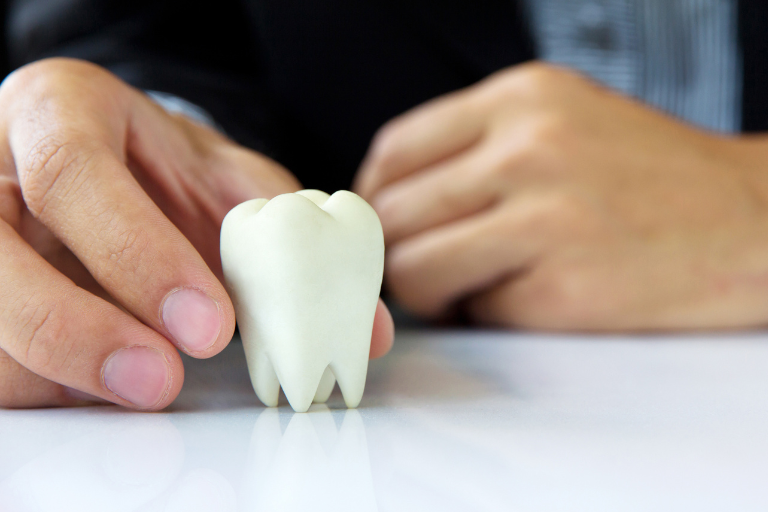
You’re enjoying dinner, maybe tacos from Old Town or a steak at DC Ranch and suddenly you feel it. A sharp crack. A jolt of pain when you bite down. Your tongue keeps finding that rough edge in the back of your mouth.
Now what?
A cracked molar isn’t something most people plan for, but it’s more common than you think. Molars handle the heavy lifting of chewing, so they’re especially vulnerable to fractures. The real question is: does a cracked molar require urgent care, or can it wait?

Thanks for taking the time to read our expert insights on managing urgent dental concerns and getting timely care when it matters most! At Pinnacle Peak Dentistry, Dr. Michael Schwartz and our experienced team are committed to helping patients receive prompt attention for unexpected dental issues so they can return to daily routines with comfort and confidence.
Whether you’re dealing with sudden tooth pain, a cracked tooth, swelling, or any other urgent dental concern, our practice is equipped to provide supportive care when immediate attention is needed. Patients across the community rely on dependable emergency dental services to address discomfort and prevent complications before they worsen.
Every consultation at Pinnacle Peak Dentistry is tailored to individual needs, with a strong focus on comfort, efficiency, and long-term oral health helping you move forward with relief and peace of mind.
Let’s break it down in simple, practical terms.
First Things First: What Counts as a “Cracked” Molar?
Not all cracks are the same. Some are minor and painless. Others can quickly turn into serious problems.
Here are the most common types:
- Craze lines – Tiny surface cracks in the enamel (often harmless).
- Fractured cusp – A piece of the chewing surface breaks off.
- Cracked tooth – A deeper split that may extend toward the root.
- Split tooth – The tooth has separated into parts.
- Vertical root fracture – A crack that starts below the gumline.
The deeper the crack goes, the more urgent it becomes.
When Is It a Dental Emergency?
A cracked molar becomes an emergency when it threatens:
- The nerve inside the tooth
- The stability of the tooth
- The surrounding bone and gums
- Your ability to eat or function comfortably
Warning Signs You Shouldn’t Ignore
If you’re experiencing any of these, don’t delay care:
- Sharp pain when biting or releasing pressure
- Sensitivity to hot, cold, or sweets
- Swelling around the gums
- Bleeding near the cracked tooth
- A visible split or missing piece
- Persistent throbbing pain
In these situations, it’s smart to contact an emergency dentist in Scottsdale as soon as possible. Waiting can allow bacteria to enter the inner pulp, leading to infection or even tooth loss.
What Happens If You Wait?
It’s tempting to “see if it gets better.” But here’s what can happen if you delay treatment:
- The crack spreads deeper
- The nerve becomes infected
- An abscess develops
- The tooth becomes non-restorable
- Treatment becomes more complex (and more costly)
In Scottsdale’s dry climate, dehydration can also contribute to enamel stress over time. Combine that with grinding (common during stressful commutes on Loop 101), and cracks can worsen quickly.
How Dentists Treat a Cracked Molar
Treatment depends on how severe the damage is.
Common Treatment Options
- Dental bonding – For minor cracks
- Dental crown – Protects and restores structure
- Root canal therapy – If the nerve is infected
- Tooth extraction – When the tooth can’t be saved
The goal is always to preserve your natural tooth whenever possible.
If the crack causes significant pain or infection risk, seeing an emergency dentist in Scottsdale promptly can often mean the difference between saving and losing the tooth.
What You Should Do Immediately After Cracking a Molar
If it just happened, here’s what to do:
- Rinse your mouth with warm water
- Apply a cold compress to reduce swelling
- Avoid chewing on that side
- Stay away from very hot or cold foods
- Take over-the-counter pain relief if needed
- Call your dental office
Quick action can significantly improve the outcome.
Why Molars Are More Vulnerable
Molars absorb the highest chewing forces. Add in:
- Teeth grinding (bruxism)
- Large fillings
- Biting hard foods like ice or nuts
- Age-related enamel wear
…and cracks become more likely.
Many Scottsdale residents stay active hiking Pinnacle Peak, golfing, cycling and dehydration combined with teeth clenching can increase fracture risk without you realizing it.
Can a Cracked Molar Heal on Its Own?
No. Teeth don’t regenerate like bone.
Once a crack forms, it will not repair itself. The best-case scenario is stabilizing the tooth before the damage spreads.
Think of it like a windshield crack in your car. Small today, worse tomorrow.
How to Prevent Future Cracks
While accidents happen, you can reduce your risk:
- Wear a night guard if you grind
- Avoid chewing ice
- Don’t use teeth as tools
- Stay hydrated
- Schedule regular exams
- Replace old, large fillings when recommended
Preventive care plays a big role in avoiding urgent dental visits.
The Bottom Line
So, is a cracked molar tooth considered a dental emergency?
It can be.
If there’s pain, swelling, bleeding, or visible structural damage, it’s not something to ignore. Quick evaluation prevents bigger problems and protects your long-term oral health.
Living in Scottsdale means enjoying great food, an active lifestyle, and sunny days but a damaged molar can disrupt all of that fast. When symptoms point to urgency, contacting an experienced emergency dentist in Scottsdale ensures you get timely care and avoid complications.
New to Pinnacle Peak Dentistry but, happy with Dr Schwartz and staff. Dr Schwartz is very through, caring and competent. – D Cabell
See why patients trust our care browse our Google reviews today.
Why Timely Care Matters for a Cracked Molar
A cracked molar may start small, but it rarely stays that way. Early diagnosis can mean a simple crown instead of a root canal or extraction.
If you’re experiencing discomfort or suspect a fracture, schedule an evaluation with Pinnacle Peak Dentistry today. Our team is committed to providing prompt, compassionate care when you need it most.
Call now or book your appointment online to restore comfort and confidence in your smile.
FAQs
Is A Cracked Molar Always Painful?
No. Some cracks cause no immediate discomfort, which makes them tricky. However, painless cracks can still worsen over time.
How Soon Should I See A Dentist?
Ideally within 24–48 hours if there’s pain or visible damage. Immediate care reduces infection risk.
Can I Eat With A Cracked Molar?
It’s best to avoid chewing on that side until it’s evaluated. Pressure can deepen the crack.
Will I Automatically Need A Root Canal?
Not always. If the nerve isn’t affected, a crown may be enough to protect the tooth.
How Do I Know If It’s Infected?
Signs include swelling, pus, bad taste, severe throbbing pain, or fever. Seek urgent care immediately.