Michael Schwartz, DMD

Why Does My Tooth Hurt Under a Dental Crown?

If you’ve ever felt a sharp twinge or a dull ache under a dental crown, you’re not alone. Many patients wonder why a tooth that’s supposed to be “protected” is still causing pain. The truth is, a dental crown covers and strengthens a tooth, but it doesn’t make it immune to problems underneath. The good news? Most causes of crown pain are treatable once properly diagnosed.
In this guide, we’ll walk through the most common reasons your tooth might hurt under a dental crown, when you should worry, and what you can do about it.
What Is a Dental Crown, and Why Might It Hurt?
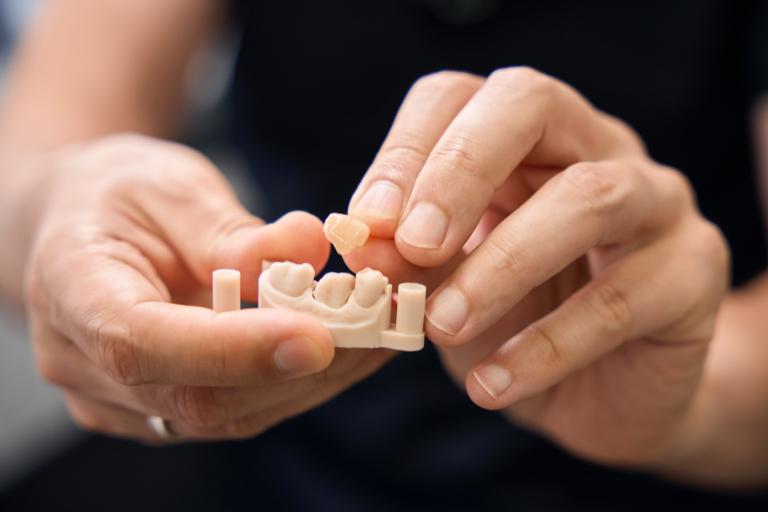
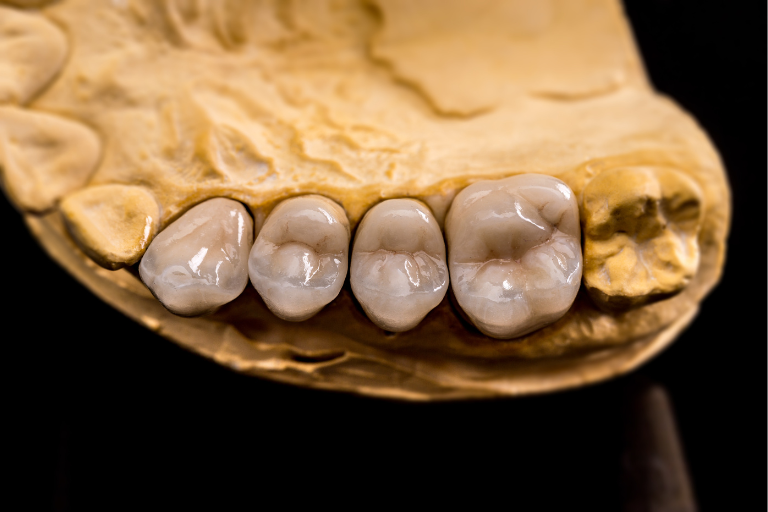
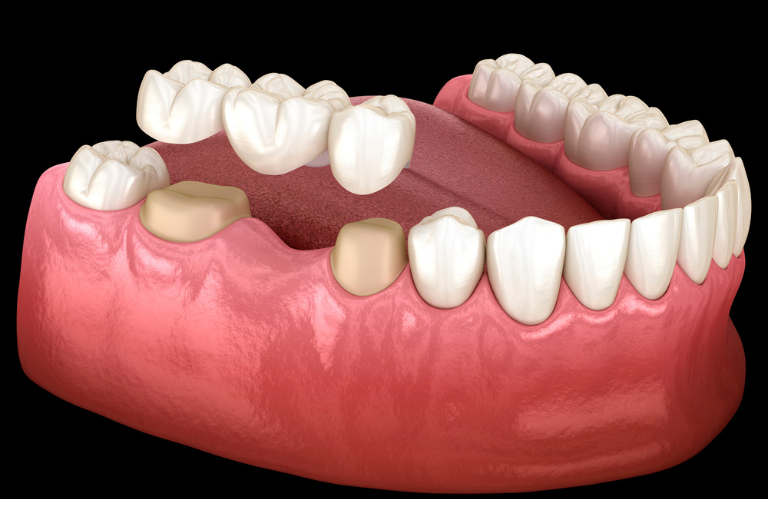
A dental crown is a cap placed over a damaged, weakened, or previously treated tooth. It restores shape, strength, and function while protecting the natural tooth structure underneath.
While a crown itself can’t decay, the tooth beneath it can still develop issues. Since the crown covers the tooth completely, problems underneath often go unnoticed until pain shows up.
Common Reasons Your Tooth Hurts Under a Dental Crown
1. Tooth Decay Beneath the Crown
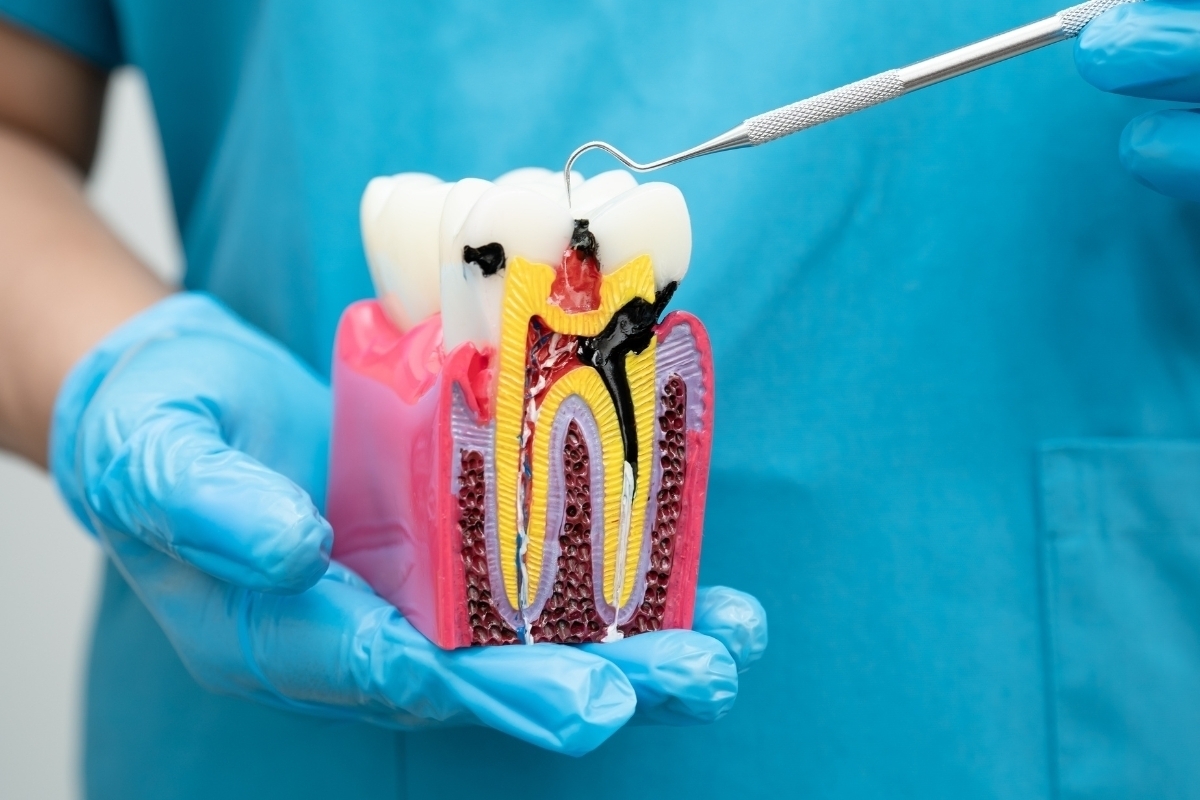
Even with a crown in place, bacteria can sneak in through tiny gaps at the edges, especially if the seal has worn down over time. This can lead to new decay forming right under the crown.
- Sensitivity to sweets or temperature
- A lingering ache after eating
- Visible dark spots near the gumline
If decay is the culprit, your dentist will need to remove the crown, treat the decay, and replace it.
2. Nerve Damage or Pulp Inflammation
Sometimes the tooth’s nerve becomes irritated or inflamed after a crown is placed, especially if the procedure involved significant grinding of the tooth. This is known as pulpitis.
In mild cases, the discomfort fades within a few weeks. In more serious cases, a root canal may be needed to relieve the pain permanently.
3. A Poorly Fitted Crown
If a dental crown doesn’t fit correctly, it can create pressure points when you bite down. This uneven pressure can cause soreness, especially when chewing.
A poor fit can happen due to:
- Inaccurate impressions during the fitting process
- Natural shifting of teeth over time
- Wear and tear on the crown material
4. Gum Irritation Around the Crown
Sometimes the pain isn’t coming from the tooth at all; it’s coming from irritated or inflamed gum tissue around the crown’s edges. This is common shortly after placement or if plaque builds up along the margin.
Gentle brushing, flossing, and a dental checkup can usually resolve this.
5. Cracked Tooth Beneath the Crown
A crown can mask a crack in the underlying tooth. If the crack extends toward the root, you might feel pain when biting or releasing pressure.
This is one of the more serious causes and often requires prompt attention to prevent further damage.
6. Bite Misalignment
If your bite has shifted, even slightly, the crowned tooth may be absorbing more pressure than it should. Over time, this uneven force can lead to persistent discomfort.
When Should You Be Concerned?
Not all discomfort under a dental crown is an emergency, but certain symptoms mean you shouldn’t wait to get checked out.
Seek dental care soon if you notice:
- Throbbing or intense pain that doesn’t subside
- Swelling in the gums or face
- Pain that worsens with hot or cold foods
- A foul taste or odor near the crown
- Visible looseness of the crown
Mild, short-term sensitivity after getting a new crown is often normal. But pain that lingers beyond a couple of weeks deserves a professional look.
How Dentists Diagnose the Cause of Crown Pain
Figuring out why a tooth hurts under a crown usually starts with a simple exam and a few targeted questions about when the pain happens and how it feels.
Your dentist may use:
- Digital X-rays to check for decay or bone changes near the root
- Bite tests to identify pressure points
- Cold or heat sensitivity tests to assess nerve health
- Visual inspection of the crown margins and surrounding gum tissue
This step-by-step process helps pinpoint whether the issue is at the surface or something deeper.
Treatment Options for a Painful Dental Crown
Once the cause is identified, treatment is tailored to what’s actually going on beneath the surface.
Minor Adjustments
If the crown is simply sitting too high, a quick adjustment to smooth out the bite can often solve the problem in one visit.
Treating Decay
If decay is present, the crown is removed, the decayed portion is cleaned out, and a new crown is placed once the tooth is restored.
Root Canal Therapy
When the nerve is severely inflamed or infected, a root canal removes the source of pain while allowing the crown to remain in place afterward.
Crown Replacement
If the crown is cracked, loose, or no longer fits properly, replacing it with a new, well-fitted dental crown is often the most reliable long-term solution.
How to Prevent Pain Under a Dental Crown
While not every issue is preventable, a few simple habits can go a long way in protecting your crowned tooth.
- Brush and floss around the crown’s edges daily
- Avoid chewing on hard items like ice or pens
- Wear a nightguard if you grind your teeth
- Keep up with routine dental checkups
- Address any sensitivity early rather than waiting it out
Think of your dental crown as a long-term investment. Small, consistent care habits help it last for years without unexpected surprises.
Why Choose Pinnacle Peak Dentistry – Scottsdale for Crown Concerns
If you’re dealing with discomfort under a dental crown, it helps to have an experienced team who can accurately diagnose what’s really going on. At Pinnacle Peak Dentistry – Scottsdale, located in Scottsdale, AZ 85255, our team takes the time to understand your symptoms, review your dental history, and recommend the most conservative, effective treatment for your situation.
We know tooth pain can be stressful, and we’re here to make the process straightforward and reassuring from start to finish.
Common Patient Questions
Is it normal for a new crown to feel sensitive at first?
Yes, mild sensitivity to temperature or pressure is common for the first one to two weeks after placement. If it continues beyond that, it’s worth getting checked.
Can a dental crown be removed and replaced if it’s causing pain?
Absolutely. If the crown doesn’t fit correctly or the tooth underneath needs treatment, your dentist can remove it, address the issue, and place a new one.
Does pain under a crown always mean I need a root canal?
Not necessarily. Many cases are resolved with a simple bite adjustment or by treating minor decay. A root canal is only needed if the nerve is significantly affected.
How long do dental crowns typically last?
With good care, crowns often last 10 to 15 years or longer. Regular checkups help catch any small issues before they become bigger problems.
Why does my tooth hurt when I bite down on my crown but not otherwise?
This usually points to a high spot on the crown or a possible crack in the tooth beneath it. Both are things your dentist can evaluate quickly.
Can gum disease cause pain around a dental crown?
Yes, inflamed or infected gum tissue near the crown’s edge can definitely cause discomfort, and it’s usually treatable with a cleaning and improved home care.
Final Thoughts: Don’t Ignore Crown Pain
Tooth pain under a dental crown is your body’s way of signaling that something needs attention, whether it’s minor or more significant. Ignoring it can sometimes let a small issue turn into a bigger one, so getting it checked sooner rather than later is always the safer choice.
If you’re experiencing discomfort under your crown, don’t wait for it to worsen. Schedule your appointment today with Pinnacle Peak Dentistry – Scottsdale, and let our team help you get back to comfortable, confident smiling.