Michael Schwartz, DMD

Signs You May Have Gum Disease (And What to Do Next)

Your gums do more than just hold your teeth in place; they play a vital role in your overall oral health. Yet gum disease often develops quietly, without causing immediate pain. Many people in sunny desert climates like Scottsdale may not even realize something is wrong until it progresses into a more serious condition.
With dry air, busy lifestyles, and a love for coffee or sports drinks, it’s easy for oral health habits to slip, something any experienced dentist will often notice in patients. The good news? Gum disease is preventable and even reversible in its early stages if you know what to look for and act quickly.
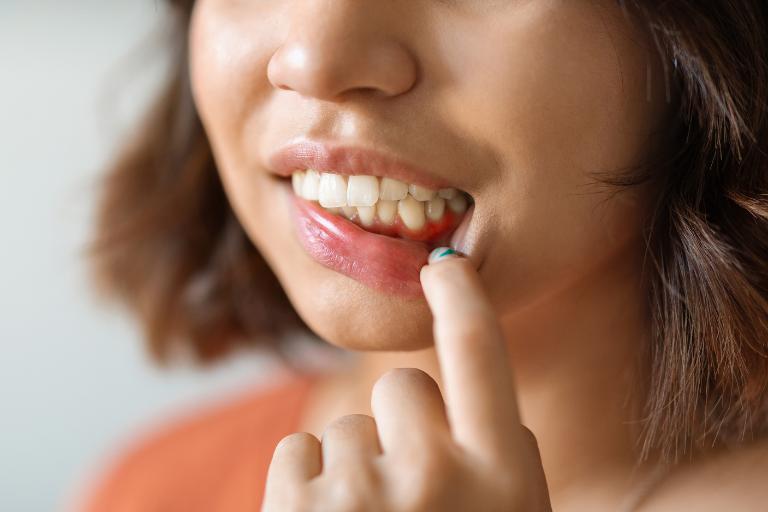
Gum disease often begins with symptoms like bleeding gums, bad breath, and gum sensitivity. In its early stage (gingivitis), it can be reversed with proper oral hygiene and professional dental care.
Say Goodbye to Gum Problems – Start Today!

Thanks for taking the time to read our expert insights on recognizing the early signs of gum disease and taking the right steps forward! At Pinnacle Peak Dentistry, Dr. Michael Schwartz and our dedicated team are committed to helping you maintain strong, healthy gums with care that’s thoughtful and tailored to your needs.
Whether you’re noticing symptoms like bleeding gums or simply want to stay proactive about your oral health, we’re here to support you with personalized guidance and effective treatment options.
Your care experience is always centered around comfort, prevention, and long-term wellness so you can feel confident about your gum health every step of the way.
Early Warning Signs You Shouldn’t Ignore
Gum disease (also known as periodontal disease) usually starts as mild inflammation but can escalate if untreated. Here are the most common signs:
1. Bleeding Gums
If your gums bleed when brushing or flossing, it’s not “normal.” This is often the first sign of gingivitis.
2. Red, Swollen, or Tender Gums
Healthy gums should be firm and pink. If yours look inflamed or feel sensitive, your body may be fighting infection.
3. Persistent Bad Breath
Chronic bad breath (halitosis) can be caused by bacteria trapped under the gum line.
4. Receding Gums
Do your teeth look longer than before? Gum recession exposes the roots and can lead to sensitivity.
5. Loose or Shifting Teeth
As gum disease progresses, it can weaken the structures supporting your teeth.
6. Pain While Chewing
Discomfort when eating may indicate deeper gum issues or infection.
Why Gum Disease Is Common in Scottsdale
Living in Scottsdale comes with perks—beautiful weather, outdoor activities, and a vibrant lifestyle. But it also brings unique oral health challenges:
- Dry climate can reduce saliva, which protects against bacteria
- Active lifestyles may lead to dehydration, affecting oral health
- Diet habits, like frequent iced coffee or sugary drinks, can contribute to plaque buildup
That’s why regular checkups with a trusted Scottsdale dentist are essential to catch problems early.
What to Do If You Notice These Symptoms
Ignoring gum disease can lead to serious complications, including tooth loss. Here’s what you should do next:
✔️ Step 1: Improve Your Oral Hygiene
- Brush twice daily using a soft-bristle toothbrush
- Floss daily to remove plaque between teeth
- Use an antibacterial mouthwash
✔️ Step 2: Stay Hydrated
Drinking enough water is especially important in Arizona’s dry climate to maintain saliva flow.
✔️ Step 3: Schedule a Dental Checkup
If symptoms persist, it’s time to visit a professional. A Scottsdale dentist can evaluate the severity and recommend treatment.
✔️ Step 4: Consider Professional Cleaning
Early gum disease can often be reversed with a deep cleaning (scaling and root planing).
Treatment Options for Gum Disease
Depending on the stage, your dentist may recommend:
- Professional cleaning – Removes plaque and tartar
- Scaling and root planing – Deep cleaning below the gum line
- Antibiotic therapy – Controls bacterial infection
- Advanced treatments – For severe cases, including surgical options
A qualified Scottsdale dentist will guide you toward the best treatment plan based on your condition.
Tips to Prevent Gum Disease
Prevention is always better than treatment. Here’s how you can protect your gums year-round:
- Maintain a consistent brushing and flossing routine
- Visit your dentist every 6 months
- Avoid tobacco products
- Limit sugary snacks and drinks
- Stay hydrated, especially during hot Scottsdale summers
Regular visits to a Scottsdale dentist can help you stay ahead of potential issues before they become serious.
I love my new dentist, Dr. Michael Schwartz. He’s careful, describes whatever he needs to so, has many new and helpful technologies like laser treatments for the gums and I admire the way he runs his practice. – L Gordon
Learn about real patient experiences through our Google reviews.
Take Charge of Your Gum Health Today
Gum disease may start small, but it can have a lasting impact on your smile and overall health if left untreated. The key is early detection and timely care.
If you’re experiencing any of these symptoms or simply want peace of mind, the team at Pinnacle Peak Dentistry is here to help. With personalized care and advanced treatment options, they’ll guide you every step of the way toward healthier gums and a brighter smile.
Book your appointment today and give your gums the care they deserve.
Frequently Asked Questions
Can Gum Disease Go Away On Its Own?
No, gum disease does not resolve without proper care. Early stages can be reversed with professional cleaning and improved hygiene.
Is Bleeding Gums Always A Sign Of Gum Disease?
Not always, but it’s a common early symptom. It’s best to get it checked promptly.
How Quickly Does Gum Disease Progress?
It varies. Some people may notice progression within months, while others may take years.
Is Gum Disease Painful?
Early stages are often painless, which is why it can go unnoticed.
Can Gum Disease Affect Overall Health?
Yes, gum disease has been linked to conditions like heart disease, diabetes, and respiratory issues. Treating it early can help protect your overall health.