Michael Schwartz, DMD

Why Your Dental Checkup Involves More Than Just Looking for Cavities

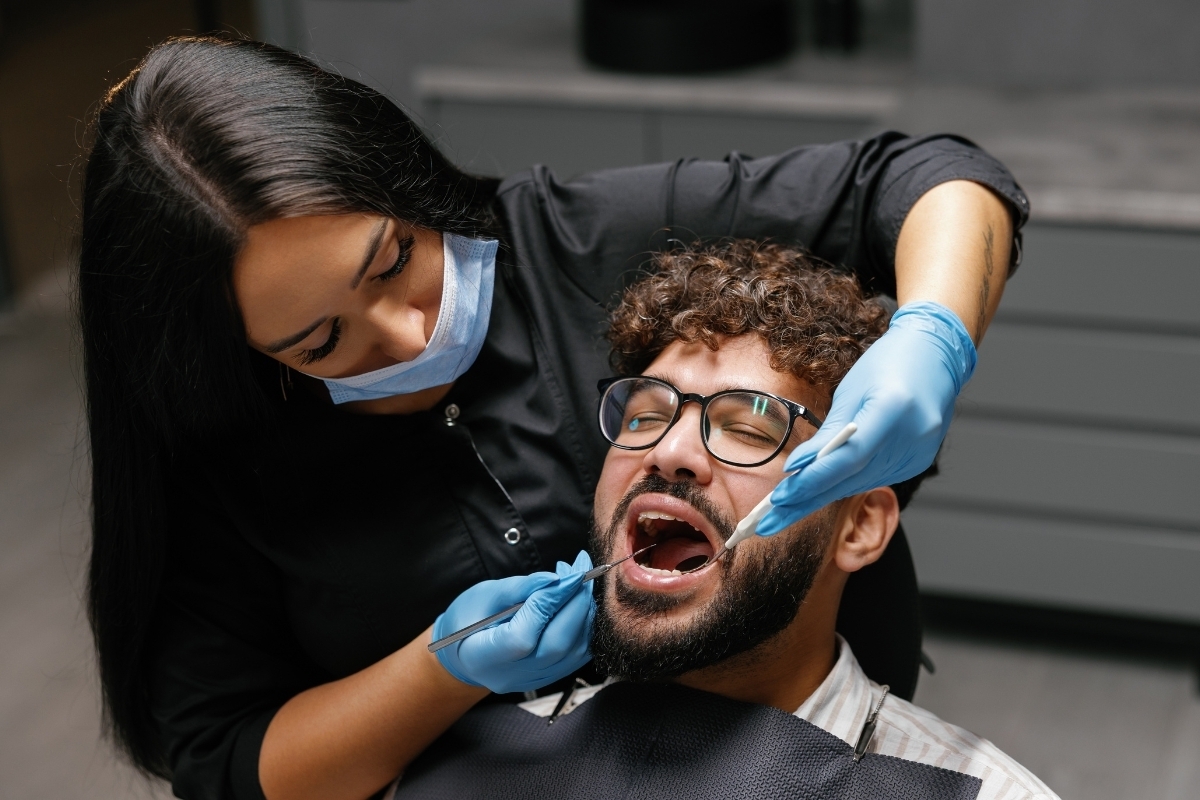
Most people in Scottsdale walk into a dental appointment thinking one thing: are my teeth okay? That’s a fair expectation. But what actually happens during a comprehensive dental exam goes far beyond a quick look for cavities. Whether you’ve lived in North Scottsdale your whole life or just relocated from out of state, understanding what your dentist is actually evaluating during each visit can shift the way you think about dental care and why skipping those appointments costs more than you realize.
Take the First Step Toward Better Oral Health!

We appreciate you taking the time to learn more about what truly happens during a complete dental exam. Dr. Michael Schwartz at Pinnacle Peak Dentistry believes patients deserve care that goes beyond basic cleanings and cavity detection. Every evaluation is designed to assess oral tissues, jaw health, gum condition, and structural changes that may affect comfort and function over time. Understanding these areas allows patients to take a more proactive approach to maintaining strong oral health and preventing future complications.
The Full Picture of a Dental Exam
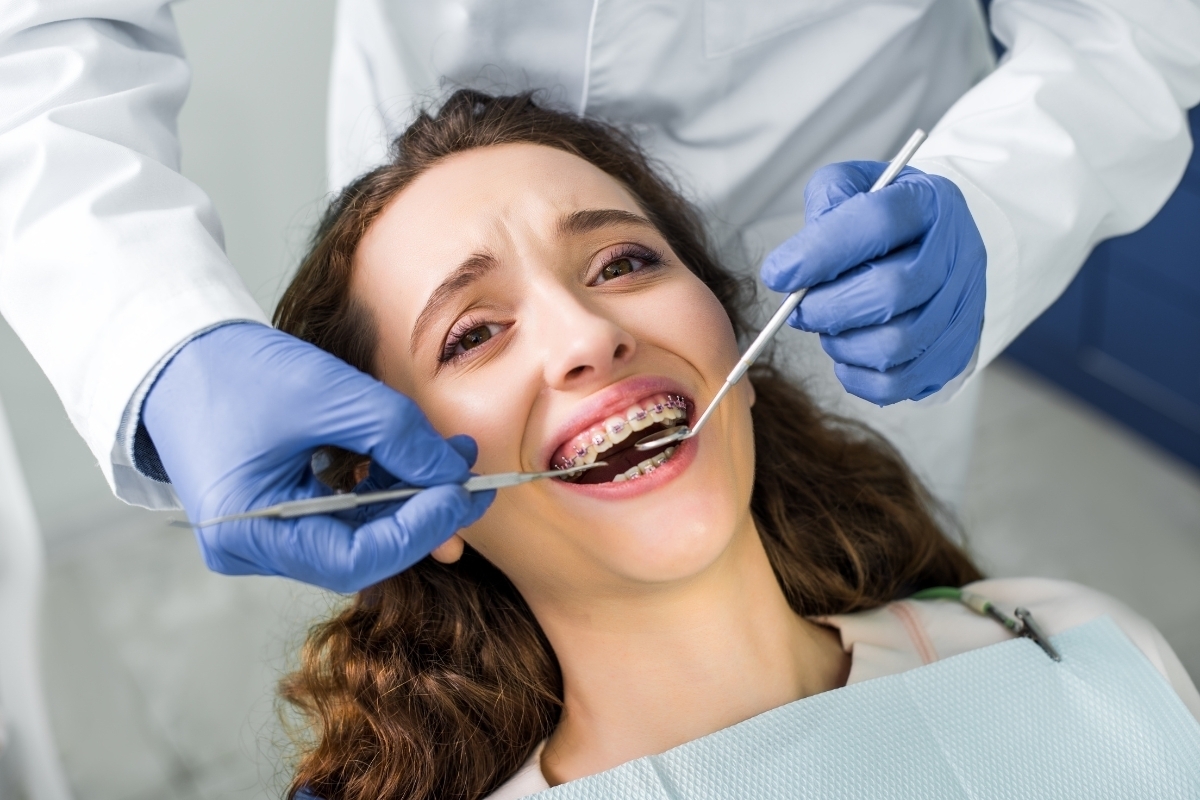
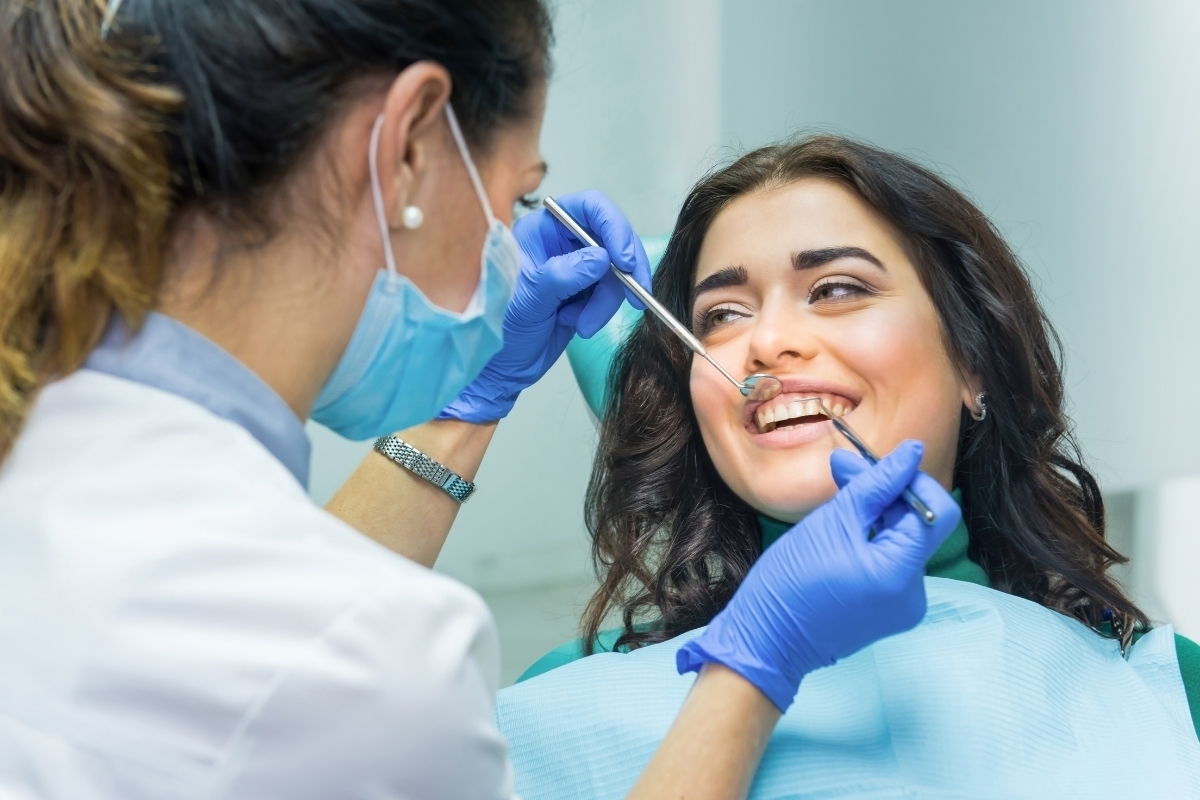
A thorough dental exam is closer to a health screening than a simple tooth check. A trusted Scottsdale dentist will evaluate your gum tissue, bone levels, jaw function, oral soft tissues, and the structural integrity of existing restorations all in the same appointment. Each of these systems tells a story about your overall health, not just what’s happening in your mouth.
In a desert climate like Scottsdale’s, dry mouth is surprisingly common. The combination of low humidity and Arizona heat causes many residents to experience reduced saliva production, which dramatically increases the risk of tooth decay and gum disease. A dental exam accounts for this. Your dentist will check moisture levels, ask about water intake, and screen for early signs of xerostomia before it becomes a real problem.
Oral Cancer Screening: The Exam You Didn’t Know You Needed
One of the most critical parts of every dental visit is the oral cancer screening, and most patients have no idea it’s happening. The dentist visually and manually examines your lips, cheeks, tongue, throat, and floor of the mouth for any unusual patches, sores, lumps, or color changes. Early detection makes a significant difference in outcomes, and a Scottsdale AZ dentist who performs this consistently is offering real preventive value not just a teeth cleaning.
Scottsdale residents who spend a lot of time outdoors hiking trails like Tom’s Thumb or cycling through McDowell Sonoran Preserve may have increased sun exposure on their lips and face, which correlates with a higher risk of lip cancer. Mentioning your outdoor lifestyle to your dentist can prompt an even closer look at sun-exposed areas.
Gum Disease: The Silent Issue Most People Ignore
Gum disease affects more than half of adults over 30, yet it rarely causes pain in its early stages. Your dentist uses a probe, a thin instrument to measure the depth of the pockets between your teeth and gums. Healthy pockets measure 1 to 3 millimeters. Numbers above that signal inflammation or early disease.
What Your Dentist Is Looking For
Here’s a breakdown of what gets evaluated during a full dental exam that goes beyond cavities:
• Periodontal (gum) pocket depths to detect early or advanced gum disease
• Temporomandibular joint (TMJ) function to identify jaw clicking, pain, or misalignment
• Bite alignment and wear patterns that signal grinding (bruxism), common among high-stress professionals in Scottsdale’s corporate corridors
• Existing fillings, crowns, or bridges for cracks, wear, or marginal breakdown
• Lymph nodes and salivary glands checked externally for swelling or irregularities
• Dental X-rays evaluated for bone loss, cysts, or infections not visible to the naked eye
Why Local Knowledge Matters in Dental Care
Living in Scottsdale means your oral health is influenced by environmental and lifestyle factors that are unique to the area. While Scottsdale’s water supply contains fluoride that helps strengthen teeth, other everyday habits can still create challenges for long-term dental health. A Scottsdale AZ dentist who understands these local patterns can provide more personalized recommendations and preventive care tailored to your lifestyle.
Local factors that can impact your dental health include:
- Dry desert climate that contributes to dehydration and dry mouth
- Frequent outdoor activities like hiking, cycling, and golfing that increase sun exposure and dehydration risks
- High caffeine consumption common among busy professionals, which can contribute to enamel erosion and dry mouth
- Dining out regularly in Old Town Scottsdale where acidic foods, cocktails, and sugary beverages may affect enamel health
- Stress-related teeth grinding (bruxism) often seen in high-pressure corporate and tech environments
- Sports drinks and energy drinks commonly consumed during outdoor activities, which can weaken enamel over time
- Seasonal allergies and medications that may reduce saliva production and increase cavity risk
Because local dentists see these patterns regularly, they can often identify risks earlier and recommend preventive strategies that fit your routine and environment.
Additionally, Scottsdale has a large seasonal “snowbird” population. If you spend winters in Scottsdale and summers elsewhere, maintaining care with one trusted local practice offers several important benefits:
- Consistent dental records and imaging history
- Better tracking of changes between visits
- Earlier detection of developing problems
- More accurate long-term treatment planning
- Continuity of care if dental emergencies arise during your stay
Having a dentist who understands both your lifestyle and Scottsdale’s unique environmental factors can make a meaningful difference in protecting your long-term oral health.
Friendly staff, excellent dental hygienists, and a great dentist. Always on time and a comfortable atmosphere. – John Minor
Hear directly from our patients through our Google reviews and feel more confident about your dental care choice.
How Often Should You Really Be Going?
Twice a year is the standard recommendation, but your situation might call for different scheduling. Patients with diabetes, heart disease, a history of gum disease, or those undergoing chemotherapy often benefit from more frequent visits. Your Scottsdale dentist can assess your specific risk factors and recommend an interval that actually makes sense for your health history. If you’re unsure where to start, a conversation with a Scottsdale dentist who takes time to review your full health history is always the right first step.
Ready to schedule a comprehensive dental exam? Pinnacle Peak Dentistry in Scottsdale is accepting new patients and would love to be your dental home. Book your appointment today because great oral health starts with knowing what’s really going on.
Frequently Asked Questions
Does A Dental Exam Always Include X-Rays?
Not always. X-ray frequency depends on your age, risk level, and dental history. New patients typically receive a full set, while established patients may only need periodic bitewings. Your dentist will recommend what’s appropriate for you.
What Is Oral Cancer Screening And Should I Be Worried?
An oral cancer screening is a visual and physical check of your oral tissues for any signs of abnormal cells. It’s quick, painless, and done as part of your regular exam. Finding anything unusual early significantly improves treatment outcomes.
Can My Dentist Really Tell If I’m Stressed?
Yes, worn teeth, cracked enamel, and jaw soreness are telltale signs of nighttime grinding, which is often stress-related. Many Scottsdale patients are surprised to hear this, but it’s one of the more common findings in a busy professional community.
What Happens If My Dentist Finds Something Concerning That Isn’t Dental?
A good dentist will refer you to the appropriate specialist. Dental professionals are often the first to identify signs of systemic diseases like diabetes or osteoporosis conditions that show early symptoms in the mouth.