
Michael Schwartz, DMD

How Long Does Bonding Last on Front Teeth?

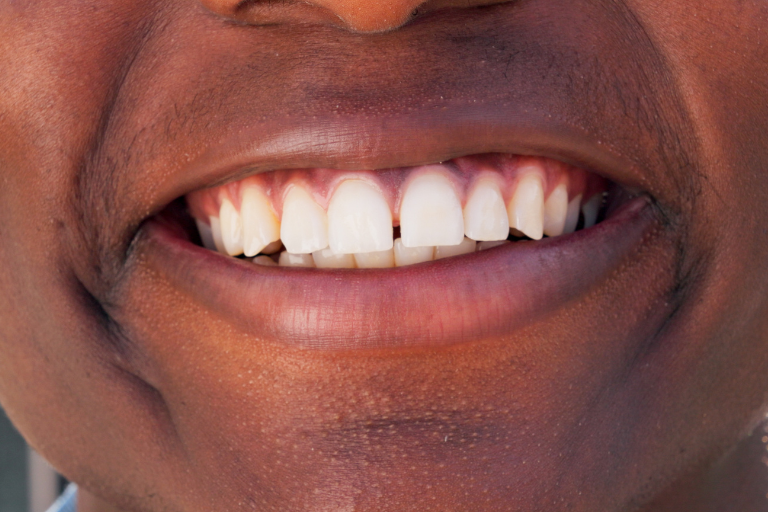
Dental bonding is one of the most popular treatments in cosmetic dentistry because it offers fast, natural-looking improvements without extensive dental work. Whether you’re dealing with a chipped tooth, uneven edges, small gaps, or discoloration, bonding can often transform your front teeth in just one appointment. But before choosing the procedure, many patients want to know one thing: how long does bonding actually last?
The answer depends on your oral habits, lifestyle, and how well the bonding is maintained over time. For many patients, bonding provides years of reliable cosmetic improvement while preserving the natural tooth structure underneath. If you’re considering cosmetic bonding in Scottsdale, understanding the expected lifespan and maintenance requirements can help you make a confident decision.
What Is Dental Bonding?
Dental bonding uses a tooth-colored composite resin material that is carefully applied directly to the tooth surface. The resin is sculpted by hand to improve the appearance of the tooth and then hardened with a specialized curing light. After polishing, the bonded tooth blends naturally with the surrounding teeth.
Unlike veneers or crowns, bonding usually requires little to no removal of healthy enamel. In many cases, the procedure can be completed without anesthesia and finished within 30 to 60 minutes per tooth.
Front tooth bonding is commonly used in cosmetic dentistry to:
- Repair chipped or cracked teeth
- Close small spaces between teeth
- Improve uneven or worn edges
- Cover discoloration or stains
- Make teeth appear longer or more symmetrical
- Restore minor damage caused by trauma
Because the procedure is conservative and efficient, many patients choose bonding as an accessible way to improve their appearance without extensive dental treatment.
How Long Does Bonding Typically Last?
Composite bonding on front teeth generally lasts between five and ten years. Some patients may need touch-ups sooner, while others maintain excellent results for more than a decade with proper care and routine dental visits.
The lifespan of bonding depends largely on the amount of pressure placed on the front teeth and the patient’s daily habits. Unlike porcelain veneers, composite resin is slightly softer and more prone to wear over time. However, it also has advantages: it is repairable, minimally invasive, and easier to modify if cosmetic goals change later.
Patients exploring cosmetic bonding in Scottsdale often choose this cosmetic dentistry treatment because it delivers natural-looking results while preserving healthy enamel. Bonding can also serve as an excellent first step in a long-term cosmetic plan for patients who may eventually consider veneers or other restorative procedures.
Why Front Teeth Bonding Requires Special Care
Front teeth experience different types of pressure than back teeth. While molars handle most chewing forces, front teeth are often exposed to habits that can weaken bonding over time. Many people unconsciously use their front teeth to bite hard objects, open packaging, or chew on non-food items.
Because bonding is attached directly to the visible surface of the tooth, repeated stress can eventually cause small chips, edge wear, or surface staining. The good news is that these issues are often preventable with proper care.
What Causes Bonding to Wear Out Faster?
Several common habits and conditions can shorten the lifespan of dental bonding.
Teeth Grinding and Clenching
Nighttime grinding, also called bruxism, is one of the biggest threats to bonded front teeth. Constant pressure and friction can weaken the resin and increase the likelihood of chips or fractures. Many patients grind their teeth without realizing it until visible damage appears.
A custom nightguard is highly recommended for patients with bonded teeth who clench or grind while sleeping.
Chewing Hard Objects
Biting fingernails, chewing ice, or using teeth to open packages places unnecessary stress on bonding material. Unlike natural enamel, composite resin is more vulnerable to cracking under concentrated pressure.
Staining Foods and Drinks
Coffee, tea, red wine, dark-colored sauces, and tobacco products can gradually stain bonding material over time. Composite resin tends to absorb stains more easily than porcelain.
This doesn’t mean patients must completely avoid these items, but moderation and good oral hygiene can make a significant difference in maintaining brightness.
Accidental Trauma
Sports injuries, falls, or impact to the mouth can damage bonded front teeth. Patients who participate in contact sports should wear a protective mouthguard to reduce the risk of fractures.
Poor Oral Hygiene
Inconsistent brushing and flossing allow plaque buildup around the bonding edges, which can affect both appearance and durability. Healthy gums and clean teeth help bonding last longer and maintain a polished appearance.
What Helps Bonding Last Longer?
Patients who take care of their bonded teeth often enjoy excellent long-term results. In many cases, bonding can remain attractive and functional well beyond the average lifespan.
Practice Gentle Oral Habits
Avoid chewing on hard objects and never use your teeth as tools. Simple habit changes can dramatically reduce unnecessary stress on the bonding.
Use Non-Abrasive Toothpaste
Whitening toothpastes and highly abrasive products can gradually dull the polished surface of the composite resin. A gentle toothpaste helps preserve the smooth finish and natural appearance.
Schedule Regular Dental Visits
Routine cleanings and exams allow your dentist to monitor the bonding and polish away surface stains before they become more noticeable. Professional maintenance plays an important role in extending the lifespan of cosmetic dentistry treatments.
Wear a Nightguard if Recommended
For patients who grind their teeth, a nightguard is one of the best ways to protect both natural teeth and bonding material from excessive wear.
Stay Hydrated
Dry mouth can increase plaque buildup and negatively affect oral health overall. In warm climates like Scottsdale, hydration supports healthy saliva flow, which naturally protects teeth and restorations.
Bonding vs Veneers: Which Lasts Longer?
Patients comparing cosmetic dentistry options often wonder whether bonding or veneers are the better investment.
Porcelain veneers generally last longer than bonding, often remaining in excellent condition for 15 to 20 years with proper care. Veneers are also more resistant to staining and wear.
However, bonding offers several advantages:
- Minimal or no enamel removal
- Usually completed in one appointment
- Easier and less expensive to repair
- Reversible in many cases
- Conservative treatment approach
For patients with minor cosmetic concerns, bonding may provide everything they need without committing to a more permanent procedure. Others may choose bonding first and later transition to veneers as part of a future cosmetic plan.
A skilled cosmetic dentist will help determine which treatment best matches your goals, lifestyle, and expectations.
Can Bonding Be Repaired if It Chips?
One of bonding’s biggest advantages is that it can usually be repaired without replacing the entire restoration. Small chips, rough edges, or minor wear can often be corrected during a simple office visit, making cosmetic bonding in Scottsdale a convenient option for patients seeking long-term cosmetic improvements.
Your dentist may add a small amount of new composite resin, reshape the area, and polish it to restore the appearance of the tooth. This repair process is typically straightforward and helps extend the overall life of the bonding.
In cases of severe staining or larger fractures, replacement may eventually be recommended. Still, many patients appreciate the flexibility and repairability that bonding provides.
Is Bonding Worth It?
For many patients, dental bonding offers an ideal balance between cosmetic improvement and conservative treatment. It provides immediate aesthetic enhancement without extensive dental work or lengthy treatment timelines.
Bonding is especially appealing for patients who want to:
- Improve their appearance quickly
- Preserve natural tooth structure
- Address small cosmetic flaws
- Avoid more invasive procedures
- Test cosmetic changes before considering veneers
When maintained properly, bonding can deliver years of confidence and natural-looking results.
A chipped, uneven, or worn front tooth is something you don’t have to ignore. Pinnacle Peak Dentistry provides expertly crafted cosmetic bonding designed to enhance the appearance of your front teeth while maintaining a natural look and feel. Booking an appointment can often make a dramatic difference in your overall appearance and confidence.
FAQs
Does dental bonding hurt?
In most cases, bonding is completely painless and does not require anesthesia. If the bonding is being used to repair a deep chip or an area close to the nerve, local anesthetic may be used for comfort.
Will bonded teeth look natural?
Yes. A skilled cosmetic dentist carefully color-matches the composite resin to your natural teeth and sculpts it for a seamless appearance. After polishing, the bonded tooth blends naturally with the surrounding enamel.
Can bonding close gaps between front teeth?
Yes, bonding can effectively close small to moderate gaps by adding composite resin to the sides of adjacent teeth. Larger gaps may require orthodontic treatment or veneers depending on the bite and spacing.
Can bonded teeth become stained?
Over time, composite resin can pick up stains from coffee, tea, wine, and tobacco. Regular cleanings, good oral hygiene, and limiting stain-causing substances help maintain brightness.
How soon can I eat after bonding?
The bonding material hardens immediately after curing, so patients can usually eat and drink right away. However, avoiding heavily staining foods and beverages for the first 48 hours is recommended.
Is dental bonding permanent?
Bonding is not considered permanent because the material may eventually wear or require replacement. However, it is long-lasting and can often be maintained for many years with proper care.