Michael Schwartz, DMD

Best Foods After Tooth Extraction (Recovery Meal Guide)

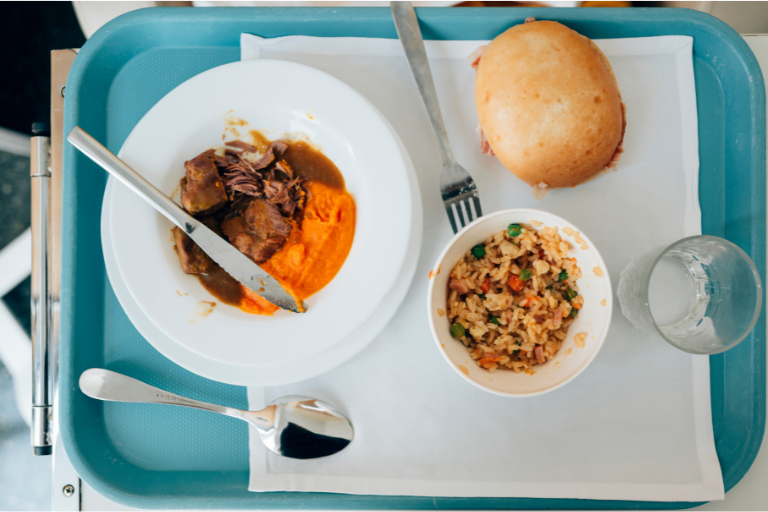
Getting a tooth pulled is never exactly how you want to spend your afternoon but what you eat in the days that follow can make or break your recovery. Whether you just got home from a procedure or you’re prepping ahead, this guide walks you through exactly what to put on your plate (and what to keep far away from it).
What to Eat Right After a Tooth Extraction
How Soon to Eat After Tooth Extraction
One of the most common questions patients ask is when can I eat normally after tooth extraction. The short answer: wait at least an hour after the procedure before eating anything. That first hour allows the gauze to do its job and the blood clot the foundation of your healing to form properly in the socket. Once you’re cleared to eat, stick to cool, soft foods. Nothing hot, nothing crunchy, nothing that requires serious chewing.
For the first 24 hours, think of your meal plan as “baby food with better seasoning.” After that, you can slowly expand your options over the following days as comfort improves.
The Best Foods to Eat After Tooth Extraction
Here’s a practical, day-by-day breakdown of what works well for most patients:
Days 1–2: Super Soft and Cold
- Greek yogurt – Cool, protein-rich, and easy to swallow. It also contains probiotics, which can be helpful if you’re on antibiotics post-procedure.
- Applesauce – No chewing required, and the mild sweetness makes it genuinely satisfying.
- Mashed potatoes – Warm (not hot) and filling. Add butter or gravy for flavor; just let it cool before eating.
- Smoothies – Fruit blended with yogurt or protein powder is excellent but skip the straw. Suction can dislodge the clot and lead to a painful condition called dry socket.
- Scrambled eggs – Soft, high in protein, and quick to make.
- Ice cream or frozen yogurt – The cold actually helps reduce inflammation. Consider this a medically justified treat.
Days 3–5: Expanding the Menu
Once initial soreness starts easing, you can introduce:
- Soft pasta or mac and cheese
- Oatmeal (let it cool slightly)
- Soft-cooked fish like tilapia or salmon
- Hummus
- Avocado or guacamole
- Soft bread without seeds or crusts
Days 5–7: Almost Normal
Most patients can return to a near-normal diet by the end of the first week, as long as they avoid chewing on the side of the extraction and steer clear of hard, sharp, or sticky foods.
Foods to Avoid After a Tooth Extraction
Just as important as knowing what to eat is knowing what to skip:
- Straws – The suction creates negative pressure that can pull the blood clot loose.
- Hard or crunchy foods – Chips, crackers, nuts, popcorn all of these can irritate the socket or get lodged in the wound.
- Spicy foods – Can inflame the tissue and slow healing.
- Alcohol – Interferes with clotting and can interact with pain medication.
- Hot liquids – Coffee, tea, or soup straight off the stove can dissolve the clot. Let everything cool to lukewarm first.
- Sticky foods – Caramel, gummy candy, or even chewy granola bars can pull at the extraction site.
Staying Hydrated in the Arizona Heat
If you’ve had tooth extraction in Scottsdale, here’s something to keep in mind that’s specific to living in the Valley: staying hydrated is even more critical here. Scottsdale summers routinely hit 110°F, and dehydration is easy when you’re resting post-procedure and not eating much. Drink plenty of water throughout the day just skip the straw. Plain water, diluted coconut water, or broths are all solid options to keep fluid intake up while your socket heals.
Tips to Speed Up Recovery
A few habits that consistently help patients heal faster:
- Rest for the first 24-48 hours. Avoid strenuous activity, including intense workouts at the gym. Elevated blood pressure can reopen the socket.
- Sleep with your head slightly elevated for the first couple of nights to reduce swelling.
- Don’t rinse aggressively the day of the procedure. After 24 hours, gentle saltwater rinses help keep the area clean.
- Take prescribed medications as directed even if you feel okay, staying ahead of inflammation is much easier than chasing it.
- Follow up with your dentist if you notice increasing pain after day 3, unusual swelling, or a bad taste in your mouth. These can be signs of infection or dry socket that need prompt attention.
When to Call Your Dentist
Most extractions heal without any complications. But if you’re experiencing any of the following, don’t wait it out call your dental office:
- Severe, throbbing pain that starts 2-4 days after the extraction (a hallmark of dry socket)
- Swelling that’s getting worse, not better, after 48-72 hours
- Fever or chills
- Bleeding that won’t stop after applying gentle pressure for 30-45 minutes
Patients who have had tooth extraction in Scottsdale know that Pinnacle Peak Dentistry is available to walk through any recovery concerns you’re never on your own after leaving the chair.
Ready to Get Back to Feeling Like Yourself?
Recovery after tooth extraction in Scottsdale doesn’t have to be miserable. With the right foods, a little patience, and guidance from a dental team that actually takes the time to walk you through aftercare, most patients are back to normal within a week.
At Pinnacle Peak Dentistry, we make every part of the process as comfortable as possible from the procedure itself to your follow-up care. Whether you have questions about an upcoming extraction or you’re ready to schedule, our Scottsdale team is here for you.
Book Your Appointment at Pinnacle Peak Dentistry because you deserve a dental team that’s as invested in your recovery as you are.
Frequently Asked Questions
Can I eat solid food the day after a tooth extraction?
It depends on your comfort level, but most patients stick to soft foods for at least 3-5 days. The less trauma to the area, the faster it heals.
Is it okay to drink coffee after a tooth extraction?
Hold off on hot coffee for at least the first 24-48 hours. Once the initial healing is underway, lukewarm coffee in small sips is generally fine just skip the straw.
Can I eat ice cream after getting a tooth pulled?
Yes and it’s actually encouraged for the first day or two. The cold temperature reduces inflammation and swelling. Stick to smooth flavors without mix-ins like nuts or candy pieces.
How long until I can eat normally after a tooth extraction?
Most people return to a regular diet within 7–10 days. Wisdom tooth extractions or surgical procedures may require a longer recovery period.
Why can’t I use a straw after a tooth extraction?
Using a straw creates suction in your mouth, which can dislodge the blood clot that forms in the socket. This leads to dry socket, an extremely painful condition that delays healing significantly.