
Michael Schwartz, DMD

Is Your Tooth Pain an Emergency? Here’s How to Tell

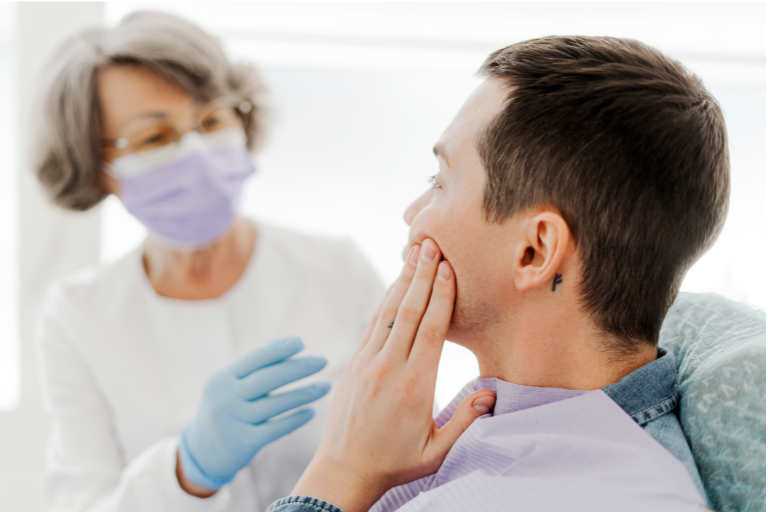
It often starts the same way. A dull toothache appears on a Friday evening, or a tooth chip during a weekend hike on the McDowell Mountain trails. Suddenly, you’re wondering whether the problem can wait until Monday or if you need dental care right away.
That uncertainty is completely normal and it’s one of the biggest reasons people delay treatment they actually need.
The truth is that some types of dental pain are minor and manageable, while others signal a problem that can become much more serious if left untreated. Knowing the difference can help save your tooth and, in some cases, protect your overall health. If you’re ever unsure, it’s always safer to call an emergency dentist in Scottsdale who offers prompt emergency dental care rather than wait and hope the problem improves on its own.
Signs You Should Call an Emergency Dentist Right Away
If you experience any of the following, contact an emergency dentist as soon as possible:
- Severe, persistent tooth pain that doesn’t improve with over-the-counter pain medication
- A knocked-out permanent tooth
- Facial or gum swelling that’s getting worse
- Uncontrolled bleeding after a dental injury
- A cracked tooth with severe pain or an exposed nerve
- Signs of a dental abscess, such as swelling, drainage, or fever
Signs That Genuinely Need Same-Day Attention
Some symptoms move beyond discomfort and require immediate care.
Severe, throbbing tooth pain that doesn’t ease up with over-the-counter pain relievers often points to an infection or dental abscess. Left untreated, infections can spread to the jaw, neck, or other areas of the body.
Visible swelling in the gums, jaw, or face especially if it’s increasing is another important warning sign. Swelling often indicates an infection that should be evaluated as soon as possible.
A knocked-out permanent tooth is one of the most time-sensitive dental emergencies. In many cases, the tooth has the best chance of being saved if you’re treated within 30 to 60 minutes, so acting quickly makes a significant difference.
Uncontrolled bleeding from the mouth following an injury also requires immediate professional attention.
Situations That Are Urgent but Slightly Less Time-Sensitive
Not every dental problem requires treatment within the hour, but some issues should still be addressed within a day or two.
A chipped or cracked tooth without severe pain should be examined promptly, particularly if the damage could worsen over time. While it may not be an immediate emergency, delaying care increases the risk of further breakage.
Similarly, a lost filling or crown should be replaced as soon as possible. The exposed tooth becomes more vulnerable to sensitivity, decay, and additional damage until it’s restored.
Mild to moderate tooth sensitivity that comes and goes especially when eating or drinking something hot or cold typically isn’t an after-hours emergency. However, it often signals an underlying issue, such as tooth decay, enamel wear, or a small crack, so scheduling an appointment soon is still recommended.
What Counts as a True Dental Emergency?
In simple terms, you should seek immediate dental care if you have:
- A knocked-out permanent tooth
- Uncontrolled bleeding after an injury
- Facial swelling that’s getting worse
- Severe tooth pain that’s preventing you from sleeping or functioning normally
An emergency dentist in Scottsdale can often evaluate your symptoms over the phone and help determine whether you should come in immediately or whether temporary home care is appropriate until the next available appointment. Even that brief conversation can provide valuable guidance and peace of mind.
What You Can Do While You Wait to Be Seen
If you’ve knocked out a permanent tooth, hold it by the crown not the root. If it’s dirty, rinse it gently with clean water without scrubbing. If possible, carefully place it back into the socket. If that isn’t possible, store it in milk or a tooth preservation solution until you reach the dental office.
If you’re experiencing swelling, apply a cold compress to the outside of your cheek for 15 to 20 minutes at a time to help reduce discomfort.
For a toothache, rinse your mouth with warm salt water and avoid extremely hot, cold, or sugary foods until you’re examined. These steps can provide temporary relief without masking important symptoms your dentist needs to evaluate.
Why Scottsdale’s Active Lifestyle Makes This Especially Relevant
Scottsdale’s active lifestyle means dental injuries can happen when you least expect them.
Whether you’re mountain biking on desert trails, playing in a weekend pickleball league, golfing, or cheering on your child at a local sports field, accidents happen often outside regular office hours.
A foul ball, a bicycle fall, or a collision during a Saturday morning soccer game can quickly turn into a dental emergency. Knowing where to go before an emergency happens can make an already stressful situation much easier to manage.
What Our Patients Say
“Great response to an emergency situation. Same-day exam and referral.” – D. Ockert
Find out why patients recommend us by taking a look at our Google reviews.
When in Doubt, Make the Call
Dental pain rarely disappears on its own, and infections almost always become worse with time.
If something doesn’t feel right and you’re debating whether to call, it’s usually worth reaching out. A quick conversation with a dental professional can help you determine whether you need immediate treatment or whether a regular appointment is appropriate, saving you from spending an entire weekend wondering what to do.
If you or a family member is dealing with sudden tooth pain, a chipped tooth, or a dental injury, don’t wait.
At Pinnacle Peak Dentistry, we work hard to see emergency patients as quickly as possible. Dr. Michael Schwartz’s team understands that being a trusted emergency dentist in Scottsdale means being available when families need care most, not just during regular business hours.
Call 602-894-3319 today, or request an appointment online if your situation can safely wait until the next available opening.
Frequently Asked Questions
Should I go to the ER or call a dentist for tooth pain?
Unless you’re experiencing severe facial swelling that’s making it difficult to breathe or swallow, a dentist can usually diagnose and treat the underlying dental problem more effectively than an emergency room.
Can a knocked-out tooth really be saved?
Yes, often it can. The best chance of saving a knocked-out permanent tooth is to keep it moist, handle it only by the crown, and see a dentist within an hour whenever possible.
What if my tooth pain comes and goes?
Intermittent tooth pain still deserves prompt evaluation. It may indicate tooth decay, a cracked tooth, or another issue that can worsen over time, even if the pain isn’t constant.
Is a cracked tooth always an emergency?
Not necessarily. A small chip without pain can usually wait a day or two, but a crack that causes significant pain or exposes the inner portion of the tooth should be treated the same day.
How can I help prevent dental emergencies?
You can reduce your risk by wearing a mouthguard during sports, avoiding chewing on ice or hard candy, practicing good oral hygiene, and keeping up with regular dental checkups. Catching small problems early is one of the best ways to avoid unexpected dental emergencies.