Michael Schwartz, DMD

Want Fewer Cavities? Follow These Dentist-Recommended Prevention Tips

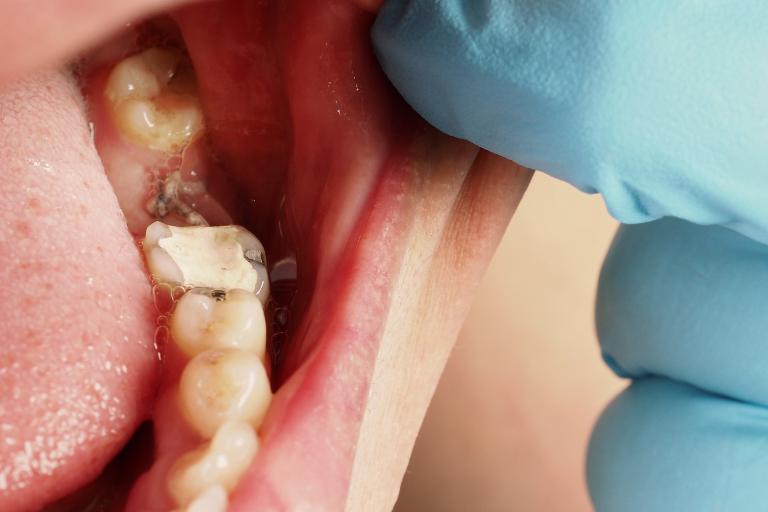
Nobody loves hearing “you’ve got a small cavity” at a checkup, but it’s one of the most preventable problems in dentistry. Most cavities don’t show up overnight. They build slowly, fed by the same daily habits repeated over months, which means the same daily habits, adjusted just slightly, are usually enough to stop them before they start.
Cavities form when bacteria in plaque feed on sugar and starch left on your teeth, producing acid that slowly wears away enamel. The process is gradual, and it’s also reversible in its earliest stages, which is exactly why regular visits to a Local Dentist matter so much. Catching a weak spot before it becomes a full cavity often means the difference between a simple fluoride treatment and a filling.
The good news is that preventing cavities doesn’t require expensive products or complicated routines. A combination of smart daily habits, professional care from a trusted Dentist in Scottsdale, and small lifestyle adjustments can significantly reduce your risk of tooth decay while protecting your smile for years to come.
What’s Actually Driving Decay in This Climate
Arizona’s dry heat plays a bigger role in cavity risk than most people realize. Saliva is one of your mouth’s main natural defenses, since it washes away food particles and neutralizes acid, and our desert air combined with long hours outdoors tends to leave people more dehydrated than they notice. Add in the popularity of iced coffee, sports drinks after a round of golf or a hike near Pinnacle Peak, and the constant sipping habit that comes with hot afternoons, and you’ve got a recipe for more sugar exposure and less saliva to fight it off. Sipping a sugary drink slowly over hours, rather than finishing it quickly, actually does more damage, since it keeps your teeth bathed in sugar for longer.
Many people also don’t realize that dry mouth caused by certain medications, stress, or mouth breathing can increase cavity risk. Staying hydrated throughout the day and choosing water whenever possible gives your teeth an extra layer of natural protection.
The Basics That Still Matter Most
Brushing twice a day with a fluoride toothpaste and flossing once daily remain the foundation, but technique matters as much as frequency. A soft-bristled brush held at a slight angle toward the gumline, used in small circular motions for a full two minutes, clears far more plaque than a quick scrub. Flossing reaches the spaces a brush can’t, which is exactly where many cavities between teeth get their start. Replacing your toothbrush every three months, or sooner if the bristles fray, keeps it actually doing its job.
Simple habits that help prevent cavities include:
- Brush for two full minutes, twice every day with fluoride toothpaste.
- Floss once daily to remove plaque between teeth.
- Replace your toothbrush every three months or sooner if the bristles wear out.
- Drink plenty of water throughout the day to support healthy saliva production.
These small routines may seem basic, but when practiced consistently, they create the strongest defense against tooth decay.
Diet Choices That Make a Real Difference
Frequency of sugar exposure matters more than total amount. Grazing on snacks or sipping sweet drinks throughout the day gives bacteria a steady supply of fuel, while eating the same amount of sugar in one sitting gives your saliva a chance to recover in between. Cheese, nuts, and crunchy vegetables at the end of a meal help neutralize acid and stimulate saliva flow. Rinsing with water after anything acidic or sugary, even just a quick swish, washes away a meaningful amount of residue before it has time to settle in.
Reading nutrition labels can also help you identify hidden sugars in flavored drinks, energy bars, cereals, and packaged snacks. Choosing healthier alternatives most of the time doesn’t mean giving up your favorite treats, it simply means reducing how often your teeth are exposed to cavity-causing acids.
Fluoride and Sealants Still Earn Their Reputation
Fluoride strengthens enamel and can even help reverse very early decay before it becomes a true cavity, which is part of why most dentists still recommend a fluoride toothpaste over a “natural” alternative without it. Dental sealants, a thin protective coating applied to the chewing surfaces of back teeth, are especially effective for kids and teens, since those deep grooves are notoriously hard to keep clean with a toothbrush alone.
Adults with deep grooves or a history of cavities may also benefit from sealants in certain situations. Your dentist can recommend whether they’re appropriate based on your individual risk factors and oral health history.
Why Regular Checkups Outperform Anything You Do at Home
Even with great habits, plaque hardens into tartar that only a professional cleaning can remove, and X-rays catch decay between teeth long before it’s visible or painful. Families across Scottsdale, from young kids just getting their first molars to longtime residents managing decades of dental history, benefit from a Dentist in Scottsdale who tracks patterns over time rather than treating each visit as a blank slate. That kind of continuity is exactly how small issues get caught while they’re still simple to fix.
Professional dental visits are also an opportunity to receive personalized advice based on your diet, medical history, and cavity risk. Preventive care is almost always faster, less invasive, and more affordable than waiting until a tooth begins to hurt.
Building Habits That Actually Stick
The patients who end up with the fewest cavities aren’t usually the most disciplined people in the room. They’re the ones who’ve built small, consistent routines, brushing before bed without skipping, keeping floss somewhere visible, and scheduling that six-month cleaning before life gets busy enough to push it off. None of it requires perfection, just consistency.
Easy ways to stay consistent with your oral care routine:
- Set a daily reminder to brush and floss before bedtime.
- Keep dental supplies visible instead of tucked away in a cabinet.
- Schedule your next cleaning before leaving the dental office.
- Carry a reusable water bottle to stay hydrated throughout the day.
Remember that preventing cavities is a long-term commitment rather than a short-term goal. Every healthy habit you repeat today helps protect your smile tomorrow.
If it’s been a while since your last cleaning, or if cavities have been a recurring issue for you or your kids, a conversation with a dentist who knows your history can make a real difference going forward.
At Pinnacle Peak Dentistry, Dr. Michael Schwartz and our team treat prevention as seriously as treatment, because keeping your smile healthy is always easier than fixing it after the fact, and that’s the kind of care a dentist in Scottsdale should provide for every patient who walks through the door. Call 602-894-3319 or request an appointment online to get your next cleaning on the calendar.
Frequently Asked Questions
How often should I really be getting a cleaning?
Most patients do well with a cleaning every six months, though some with a higher cavity risk benefit from visits every three to four months.
Are cavities in baby teeth worth treating if they’ll fall out anyway?
Yes. Untreated decay can cause pain, infection, and even affect the permanent teeth developing underneath, so baby teeth still need proper care.
Does mouthwash actually prevent cavities?
A fluoride mouthwash can offer some added protection, but it’s a supplement to brushing and flossing, not a replacement for either one.
Can cavities be reversed without a filling?
Very early decay, sometimes called a white spot lesion, can sometimes be reversed with fluoride treatment and improved hygiene before it progresses to an actual cavity.
Is tap water better than bottled water for teeth?
Often yes, because fluoridated tap water provides additional cavity protection.