Michael Schwartz, DMD

What Can You Eat After a Tooth Extraction? A Simple Food Guide


Just had a tooth pulled and already wondering what’s actually safe for dinner? You’re not alone. One of the first questions patients ask after a tooth extraction Scottsdale dentists perform is simple: “What can I actually eat?”
The good news is that recovery doesn’t mean days of hunger or bland, boring meals. With a little planning, you can eat comfortably, protect the healing site, and still enjoy your food. This guide breaks down exactly what to eat, what to skip, and how your diet should evolve as your mouth heals.
Why Your Food Choices Matter So Much Right Now
After an extraction, your body forms a blood clot in the empty socket. That clot is doing important work it protects the bone and nerve endings underneath while new tissue grows.
The wrong foods can dislodge that clot, irritate the wound, or slow healing altogether. Choosing gentle, nutrient-rich options isn’t just about comfort; it directly affects how quickly you bounce back.
Best Foods to Eat Right After a Tooth Extraction
Soft, Cool, and No-Chew Foods (Day 1)
For the first 24 hours, stick to foods that require little to no chewing. Your goal is to nourish your body without putting any pressure on the extraction site.
- Plain yogurt or Greek yogurt
- Applesauce
- Mashed bananas
- Cottage cheese
- Cool, non-spicy broths
- Protein or fruit smoothies (skip the straw)
Avoid anything hot, crunchy, or carbonated during this window, since these can irritate the tender area and increase bleeding.
Gentle, Slightly Textured Foods (Days 2–3)
Once initial swelling starts to settle, you can add a bit more variety without stressing the healing gums.
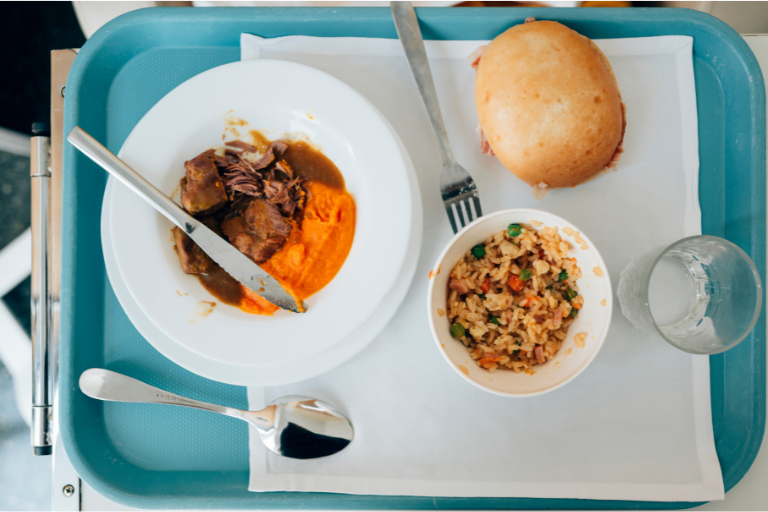
- Mashed potatoes
- Scrambled eggs
- Soft, well-cooked oatmeal
- Blended soups
- Soft pasta with mild sauce
Chew away from the extraction site, and keep portions warm rather than hot.
Building Back Up (Days 4–7)
By the middle of the week, many patients feel ready for a bit more substance. This is a good time to slowly reintroduce lean proteins and cooked vegetables.
- Steamed or roasted soft vegetables
- Shredded chicken or flaked fish
- Soft rice, quinoa, or couscous
- Soft bread (no crust)
Every mouth heals at a different pace, so let comfort not the calendar guide how quickly you progress.
Foods and Drinks to Avoid After Tooth Extraction
Some everyday favorites need to sit on the shelf while you heal. Steering clear of these categories helps prevent complications like dry socket, infection, or prolonged discomfort.
- Crunchy foods: Avoid chips, nuts, granola, and raw vegetables, as they can irritate the extraction site.
- Sticky or chewy foods: Avoid caramel, chewing gum, and gummy candies, which may stick to or disturb the socket.
- Seeds and popcorn: These can easily become lodged in the extraction socket.
- Spicy or acidic foods: Avoid hot sauce, citrus fruits, and tomato-based dishes, as they may cause irritation.
- Carbonated or alcoholic drinks: These may interfere with clot formation and healing.
- Very hot beverages: Avoid hot coffee and tea for at least 24–48 hours, as heat may disturb the blood clot.
It’s also worth skipping straws entirely for at least a few days. The suction can pull the protective clot loose, which is one of the most common (and avoidable) causes of dry socket.
A Quick Look at Nutrients That Support Healing
Eating soft doesn’t mean eating empty calories. Certain nutrients actually speed up tissue repair and reduce inflammation.
- Protein (yogurt, eggs, soft fish) helps rebuild tissue
- Vitamin C (mashed fruit, smoothies) supports gum healing
- Zinc (soft cooked meats, dairy) aids the immune response
- Hydration keeps tissues functioning and prevents dry mouth
Patients who eat balanced, soft meals during recovery tend to report less swelling and a smoother week overall.
How Long Should You Stick to Soft Foods?
Most people can return to a fairly normal diet within about a week, though full comfort with crunchy or chewy foods can take a bit longer depending on the extraction site and your individual healing pace.
If you had a simple extraction, you may feel ready sooner. Surgical extractions, including wisdom teeth, often call for a longer soft-food stretch sometimes up to two weeks.
When in doubt, it’s always better to wait an extra day than to risk irritating a healing socket.
Simple Tips to Make Recovery Easier
- Eat small, frequent meals instead of large ones
- Chew slowly and on the opposite side of your mouth
- Rinse gently with warm salt water after 24 hours
- Let hot foods cool before eating
- Keep a stock of soft, freezer-friendly meals ready in advance
A little prep before your appointment think soups, smoothies, and mashed favorites in the fridge makes the first few days far less stressful.
Common Patient Questions
Can I eat ice cream after my extraction?
Yes, in moderation. Cold, smooth ice cream without nuts, candy pieces, or crunchy mix-ins can actually feel soothing during the first day or two.
When can I eat solid food again?
Most patients can slowly reintroduce solid foods around days 4–7, starting with soft, easy-to-chew options before working back to their normal diet.
Is soup safe right after an extraction?
Yes, as long as it’s lukewarm rather than hot and free of large chunks that require chewing. Blended or pureed soups are ideal in the first couple of days.
Why can’t I use a straw after having a tooth pulled?
The suction created by a straw can dislodge the blood clot protecting your socket, which raises the risk of a painful condition called dry socket.
What if I accidentally eat something I shouldn’t have?
Don’t panic one small slip usually isn’t cause for alarm. Rinse gently with warm salt water and watch for increased pain, swelling, or bleeding, and call your dentist if anything feels off.
How do I know if my extraction site is healing normally?
Gradually decreasing pain, manageable swelling, and no unusual odor or discharge are all good signs. If discomfort worsens after day 3 or 4, it’s worth checking in with your dentist.
Why Your Dentist’s Guidance Matters
Every mouth heals differently, and factors like the tooth’s location, whether the extraction was simple or surgical, and your overall health all play a role in your recovery timeline. That’s why generic advice only goes so far.
A dentist who has actually examined your extraction site can tell you when it’s genuinely safe to add crunchier or chewier foods back into your routine, rather than relying on a one-size-fits-all schedule. If anything feels off during recovery unusual pain, swelling that gets worse instead of better, or a bad taste that won’t go away it’s always worth a quick call to your dental office rather than guessing.
At Pinnacle Peak Dentistry – Scottsdale, patients recovering from an extraction receive clear, personalized aftercare instructions, so there’s never any confusion about what’s safe to eat and when.
Final Thoughts: Heal Comfortably, Eat Smart
Recovering from a tooth extraction doesn’t have to mean bland meals or constant worry about what’s safe. By starting with soft, cool foods and gradually working your way back to your normal diet, you give your mouth the best chance to heal quickly and comfortably.
If you’re searching for reliable, experienced care for a tooth extraction in Scottsdale, the team at Pinnacle Peak Dentistry – Scottsdale is here to guide you through every step from the procedure itself to a smooth, well-supported recovery.
Schedule your appointment today with Pinnacle Peak Dentistry – Scottsdale, located at 7679 E Pinnacle Peak Rd STE 115, Scottsdale, AZ 85255, and let our team help you heal with confidence.