Michael Schwartz, DMD

Inside Your Periodontal Treatment: What Happens at Every Stage

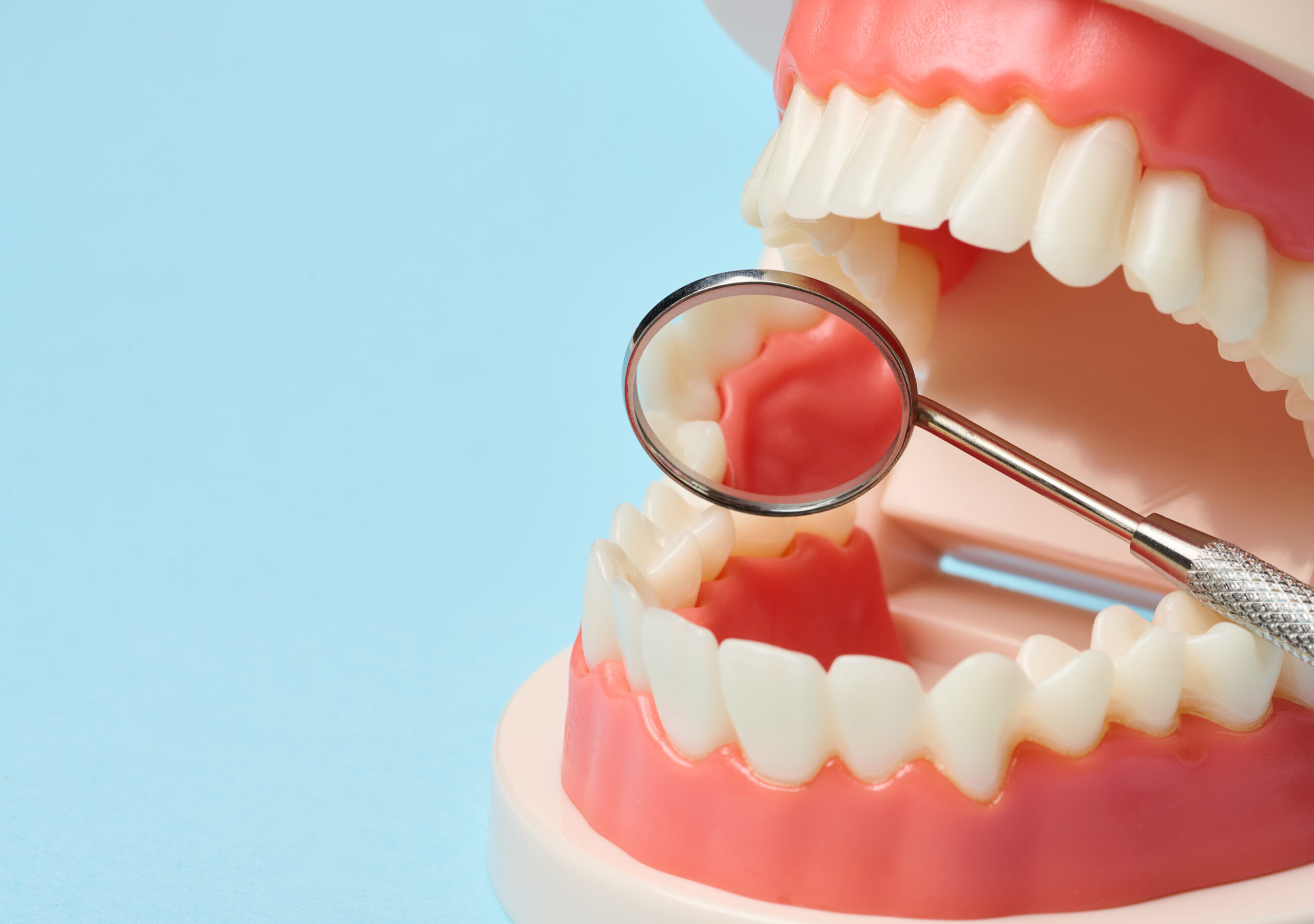
Understanding what happens inside your periodontal treatment at every stage in Scottsdale can ease a lot of anxiety. Many patients feel nervous before their first appointment. Knowing what to expect step by step makes the process far less intimidating. At Pinnacle Peak Dentistry, Dr. Michael Schwartz and his team walk you through every stage with care and transparency.
Periodontal disease affects the gums and the bone supporting your teeth. Left untreated, it can lead to tooth loss and other serious health concerns. The good news is that modern periodontal care is highly effective. And in most cases, it is more comfortable than patients expect.
Stage One: Your Periodontal Evaluation in Scottsdale
Every treatment begins with a thorough evaluation. Dr. Schwartz examines the health of your gums, teeth, and jawbone. This helps him understand exactly what stage of gum disease you are dealing with. Early-stage disease requires different care than advanced periodontitis.
During the evaluation, the team measures your gum pockets. A small probe gently checks the depth around each tooth. Healthy pockets measure between one and three millimeters. Deeper pockets signal infection and bone loss.
X-rays also play an important role at this stage. They reveal bone levels beneath the gumline. Together, the pocket measurements and X-rays give Dr. Schwartz a complete picture. From there, he creates a treatment plan tailored to your needs.
- Full gum pocket measurement around every tooth
- Digital X-rays to assess bone levels
- Review of your medical history and risk factors
- Personalized treatment plan with clear next steps
Stage Two: Scaling and Root Planing The Deep Cleaning Process
Scaling and root planing is the cornerstone of non-surgical periodontal treatment. It removes harmful bacteria, tartar, and plaque from below the gumline. This process is far more thorough than a standard teeth cleaning. It directly targets the source of gum infection.
The team applies a local anesthetic before starting. You will feel numb and comfortable throughout the procedure. Some patients worry this stage will hurt it typically does not. The anesthetic ensures you feel pressure but not pain.
Scaling involves using specialized tools to clear tartar from the tooth surface and root. Root planing smooths the root surface so bacteria cannot easily reattach. The smoother the root, the easier it is for gum tissue to reattach and heal. This step is critical for long-term recovery.
Depending on the severity of your condition, this stage may be completed in one or two visits. The team works on one section of your mouth at a time. This focused approach ensures thorough treatment. It also keeps each visit manageable in length.
Stage Three: Recovery, Monitoring, and Comfort After Treatment
After scaling and root planing, some tenderness is normal. Your gums may feel sensitive for a few days. Over-the-counter pain relief usually manages any discomfort. The team provides clear aftercare instructions before you leave.
You may notice your gums look a little different as they heal. Swelling decreases and gums begin to tighten around teeth. This is a sign that healing is progressing well. Most patients notice improvement within one to two weeks.
At Pinnacle Peak Dentistry, we follow up with every patient after this stage. Dr. Schwartz re-evaluates your gum pocket measurements. This lets him track whether the treatment is working. If pockets have shrunk, the gums are responding positively.
- Mild sensitivity is normal and temporary
- Rinse gently with warm salt water to soothe gums
- Avoid hard or crunchy foods for the first few days
- Brush and floss carefully to support healing
- Attend your follow-up appointment as scheduled
Stage Four: Periodontal Maintenance Protecting Your Results Long-Term
Periodontal maintenance is not optional it is essential. Once active treatment is complete, bacteria can return without regular care. Maintenance visits typically happen every three to four months. This schedule keeps infection from coming back.
These visits are different from standard cleanings. The hygienist focuses on areas prone to deeper pockets. She re-measures your gum health at each visit. Any signs of recurring disease are caught and addressed early.
Maintaining healthy gums also protects any other dental work you may have. This includes treatments like Dental Implants Scottsdale patients receive, which depend entirely on healthy surrounding tissue to last. Strong gum health is also a foundation for Cosmetic Dentistry Scottsdale procedures to succeed and look their best. Protecting your gums protects your entire smile investment.
At Pinnacle Peak Dentistry, we partner with you in long-term oral health. Dr. Schwartz and his team provide education at every visit. We help you understand what to do at home between appointments. A healthy smile starts with consistent, professional care.
What Makes Periodontal Care at Pinnacle Peak Dentistry Different
Dr. Schwartz takes a gentle, patient-centered approach to every procedure. He explains each step before performing it. No one moves forward without the patient feeling informed and comfortable. That philosophy defines every appointment at this practice.
The team uses modern instruments designed to minimize discomfort. Digital X-rays reduce radiation exposure. Precise tools make scaling and root planing more efficient and less invasive. Technology here serves your comfort and your health.
Scottsdale patients often tell us they wish they had come in sooner. Gum disease progresses silently and painlessly in early stages. By the time discomfort appears, it has often advanced. Early diagnosis and treatment always produce the best outcomes.
Whether you are experiencing early-stage gingivitis or more advanced periodontitis, our team is ready to help. You deserve a clear explanation at every stage. You deserve to feel supported throughout your treatment. That is exactly what we deliver.
Conclusion: Take the Next Step for Your Gum Health in Scottsdale
Inside your periodontal treatment at every stage in Scottsdale, you will find a team committed to your comfort and your health. Dr. Michael Schwartz and the Pinnacle Peak Dentistry team guide you from evaluation through long-term maintenance. There is no mystery, no guesswork just clear, compassionate care at every step. Book Now to schedule your appointment with our team.
Common Asked Questions
Is periodontal treatment painful?
Most patients are surprised by how comfortable periodontal treatment is. Local anesthetic is used during scaling and root planing so you feel pressure but not pain. Some mild soreness may follow for a day or two, but it is manageable with over-the-counter relief.
How many visits does periodontal treatment take?
The number of visits depends on the severity of your gum disease. Mild to moderate cases may require two to four appointments. Dr. Schwartz will outline your personalized plan during your evaluation so you know exactly what to expect.
Will my gums fully recover after treatment?
Many patients experience significant improvement after scaling and root planing. Gum pockets can shrink and tissue can reattach to the tooth surface. Long-term recovery depends on maintaining regular periodontal maintenance visits and good daily home care.
How is a periodontal maintenance visit different from a regular cleaning?
Periodontal maintenance goes deeper than a standard cleaning. The hygienist re-measures your gum pockets, cleans below the gumline in previously infected areas, and monitors for any signs of returning disease. These visits happen every three to four months for ongoing protection.
Can gum disease affect other dental treatments?
Yes healthy gums are essential for almost every dental procedure. Dental implants, crowns, and cosmetic treatments all depend on stable, infection-free gum tissue. Treating periodontal disease first gives all other dental work the best chance of long-term success.