Michael Schwartz, DMD

What Happens After Dental Implant Placement and How to Spot Failure

Getting a dental implant is a big step toward a healthier, more confident smile but the journey doesn’t end when you leave the dental chair. Understanding what happens after dental implant placement can help you heal faster, avoid complications, and know exactly when something isn’t right.
Many patients searching for dental implants Scottsdale want to know one thing above all: how do I know if my implant is healing properly, or if it’s failing? This guide walks you through the recovery timeline, warning signs to watch for, and when to call your dentist in Scottsdale for help.
The Dental Implant Placement Process: A Quick Recap
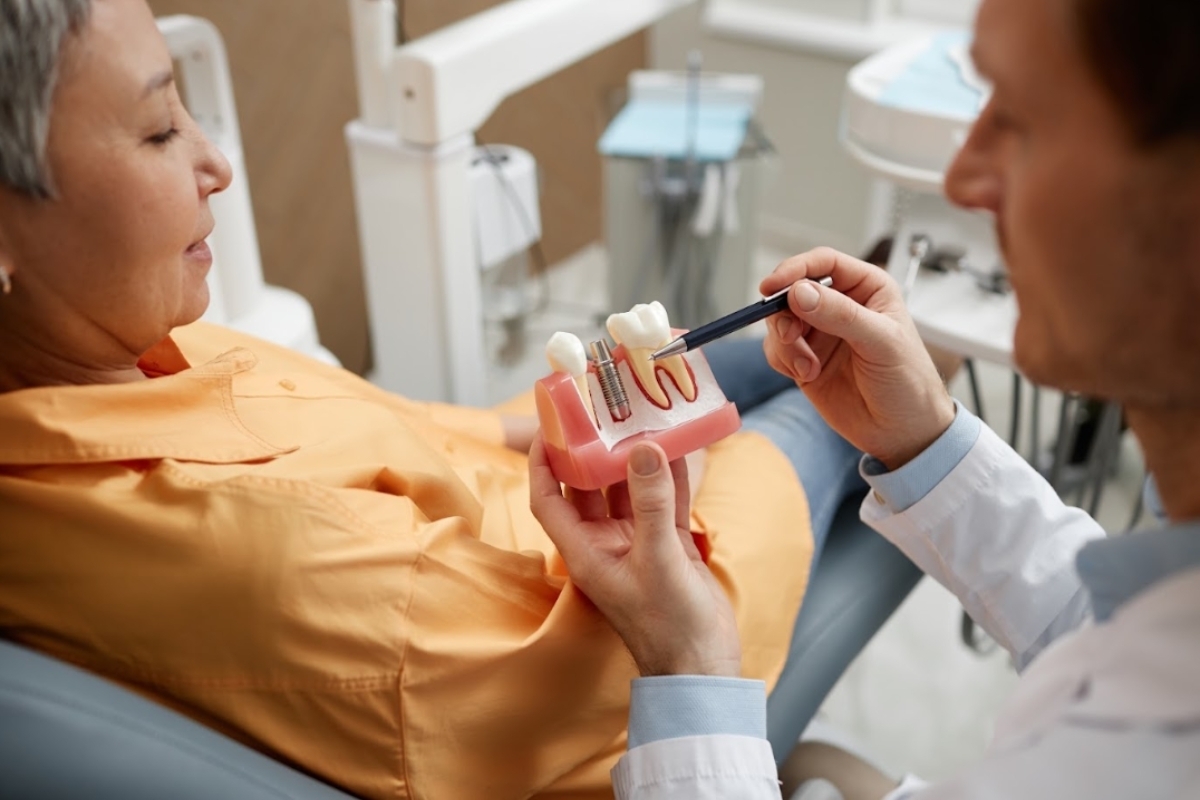
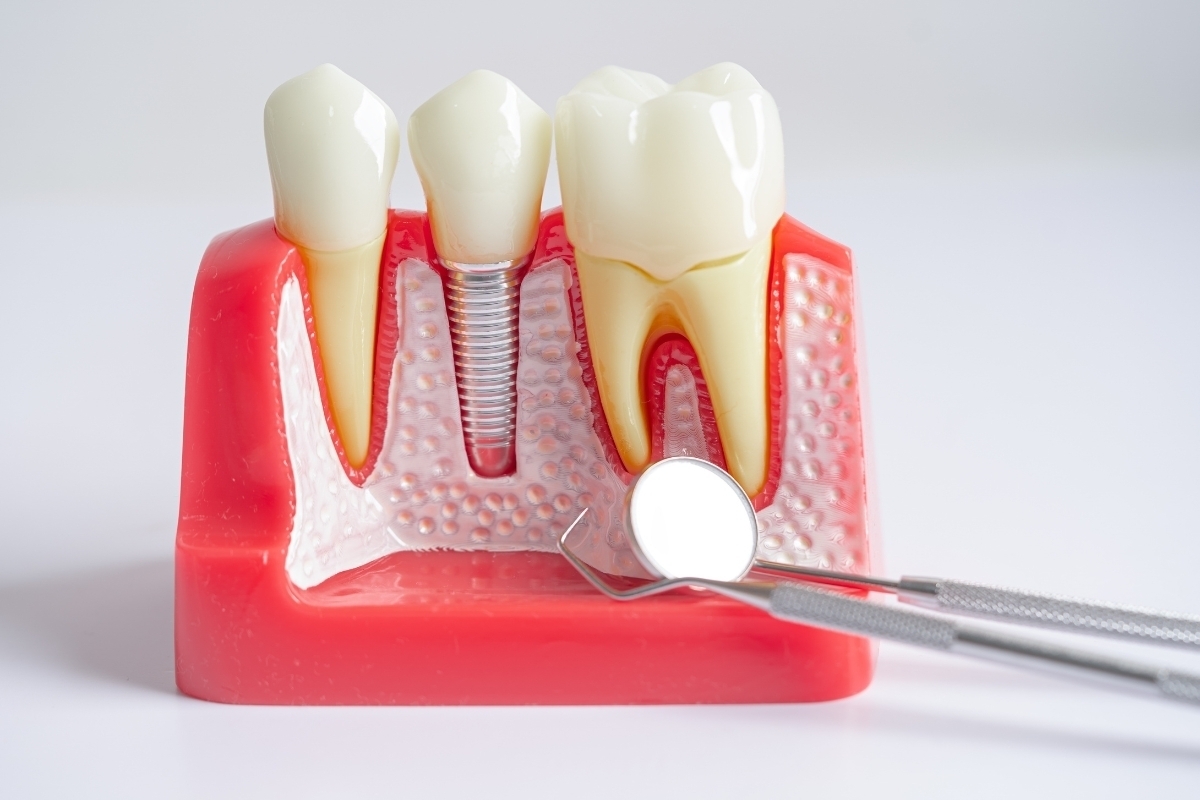
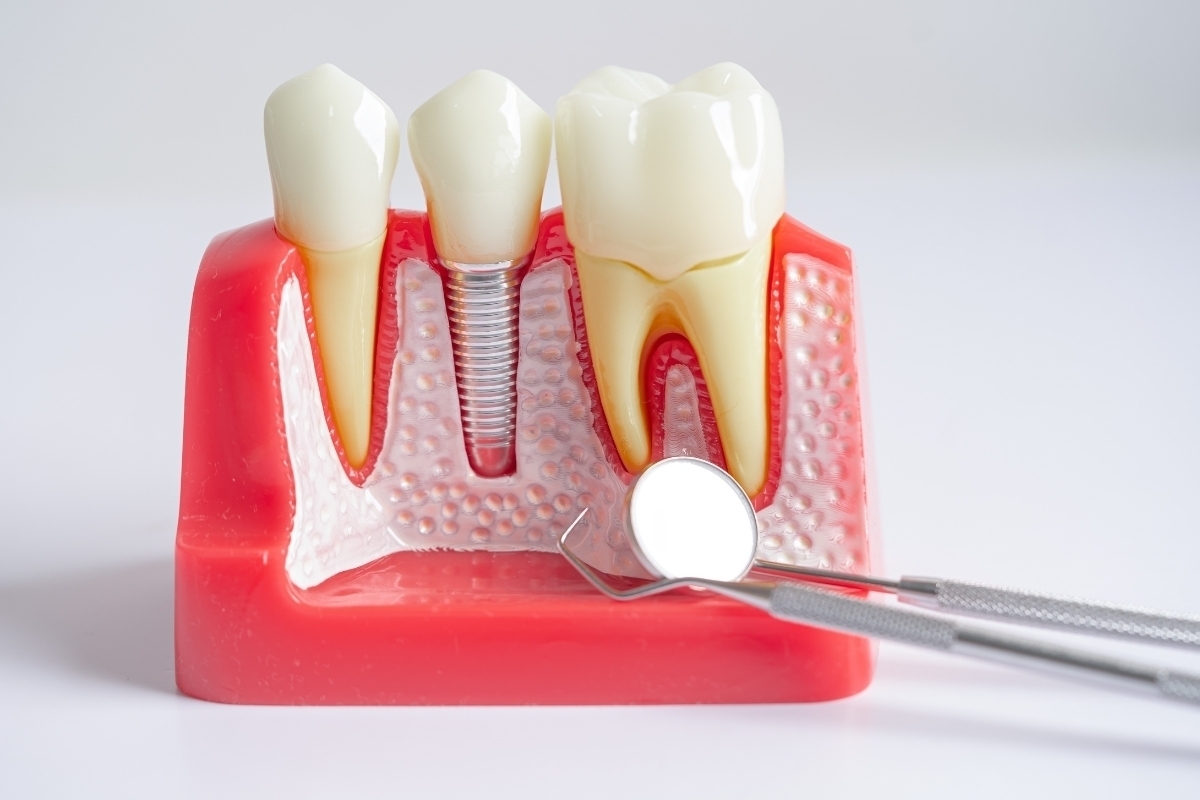
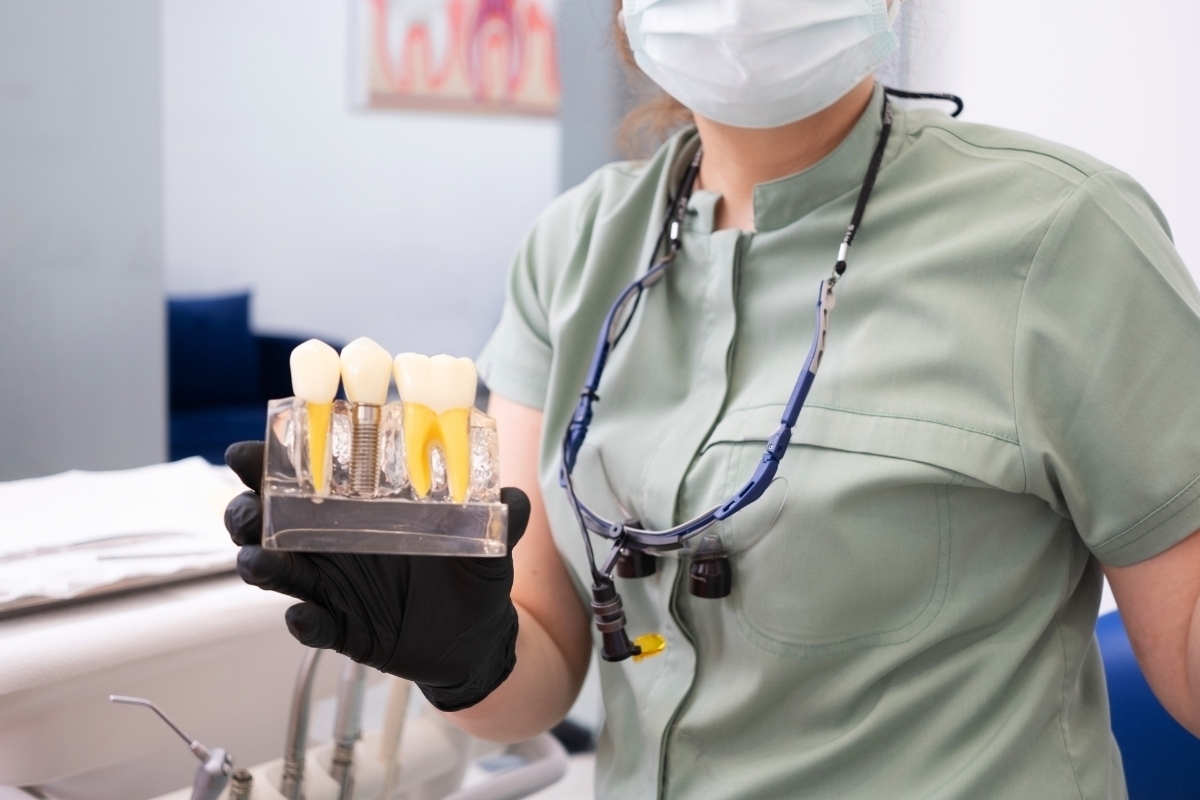
Before diving into recovery, it helps to understand what actually happens during the procedure. A titanium or zirconia post is surgically placed into the jawbone, where it will eventually fuse with the bone in a process called osseointegration.
This fusion is what makes implants so strong and long-lasting compared to other tooth replacement options. However, that bonding process takes time and the first few weeks are critical.
What to Expect in the First 24–72 Hours
The initial days after surgery are the most important for setting your recovery on the right track.
- Swelling and mild bruising around the gums and cheek area
- Some bleeding or oozing, which should taper off within a day
- Discomfort or soreness, typically manageable with prescribed or over-the-counter pain relief
- Fatigue, especially if sedation was used
During this window, stick to soft foods, avoid touching the surgical site, and skip smoking or alcohol, both of which slow healing significantly.
Simple Aftercare Tips
- Apply ice packs in 15-minute intervals to reduce swelling
- Rinse gently with warm salt water after 24 hours
- Avoid vigorous brushing near the implant site
- Take antibiotics exactly as prescribed, if given
Healing Timeline: Week by Week
Recovery isn’t instant, and patience is key. Here’s a general breakdown of what happens after dental implant placement over time.
Week 1–2: Initial Soft Tissue Healing
Gum tissue begins to close around the implant. Swelling and tenderness gradually subside, and most patients return to normal light activities within a few days.
Month 1–3: Osseointegration Begins
This is when the implant starts fusing with the jawbone. You may feel completely normal, but the bone-to-implant bond is still developing beneath the surface.
Month 3–6: Full Integration
For most patients, the implant is fully integrated with the bone by this stage, making it strong enough to support a permanent crown, bridge, or denture.
How to Spot Signs of Implant Failure
While dental implants boast a high success rate, complications can occur. Knowing the warning signs early can make the difference between a simple fix and a failed implant.
Common Symptoms of a Failing Implant
- Persistent pain or discomfort that worsens instead of improving
- Increasing swelling or redness beyond the first week
- Looseness or movement of the implant post
- Gum recession around the implant site
- Pus, discharge, or a bad taste near the implant
- Difficulty chewing or a feeling that the bite is “off”
If you notice any of these symptoms, don’t wait it out. Early intervention is far easier and more affordable than addressing a fully failed implant.
What Causes Dental Implant Failure?
Several factors can interfere with healing after dental implant placement, including:
- Peri-implantitis: Infection and inflammation around the dental implant, similar to gum disease.
- Insufficient bone density: Inadequate bone support to properly hold the implant.
- Smoking: Restricts blood flow and slows the healing process.
- Poor oral hygiene: Allows bacteria and plaque to build up around the implant.
- Teeth grinding (bruxism): Puts excessive pressure and stress on the implant.
- Underlying health conditions: Conditions such as uncontrolled diabetes can affect healing and implant success.
The good news? Most of these risk factors are manageable with proper planning and communication with your dental team.
How Your Scottsdale Dentist Monitors Implant Success
A trusted dentist in Scottsdale will schedule follow-up visits to track healing progress through visual exams, gentle mobility checks, and X-rays when needed. These checkups are designed to catch small issues before they become bigger problems.
Consistent follow-up care is one of the most overlooked yet most important parts of implant success.
Common Patient Questions
How long does it take to fully recover from dental implant placement?
Most patients feel normal within a week, but full bone integration typically takes three to six months.
Is some pain after implant surgery normal?
Yes. Mild to moderate discomfort for a few days is expected. Pain that worsens after the first week is not typical and should be checked.
Can a dental implant fail years after placement?
Yes, though it’s less common. Ongoing oral hygiene and regular dental visits help prevent late-stage failure.
What should I do if my implant feels loose?
Contact your dental office right away. A loose implant should never be ignored, as early treatment often saves the implant.
Are dental implants safe for most patients?
Generally, yes. Most healthy adults are good candidates, though your dentist will evaluate bone health and any medical conditions first.
Will my new tooth look and feel natural?
Absolutely. Modern implants are designed to match the size, shape, and color of your natural teeth for a seamless smile.
Your Next Step Toward a Healthy, Lasting Smile
Understanding what happens after dental implant placement empowers you to heal with confidence and catch potential issues early. While implant failure is uncommon, staying informed and attentive to your recovery makes all the difference.
If you’re considering dental implants Scottsdale patients trust, or if you have concerns about an existing implant, don’t navigate it alone.
Schedule your appointment today with Pinnacle Peak Dentistry – Scottsdale, located in Scottsdale, AZ 85255. Our team is here to guide you through every step of your implant journey from placement to lifelong care.