Michael Schwartz, DMD

Foods To Avoid After a Tooth Extraction

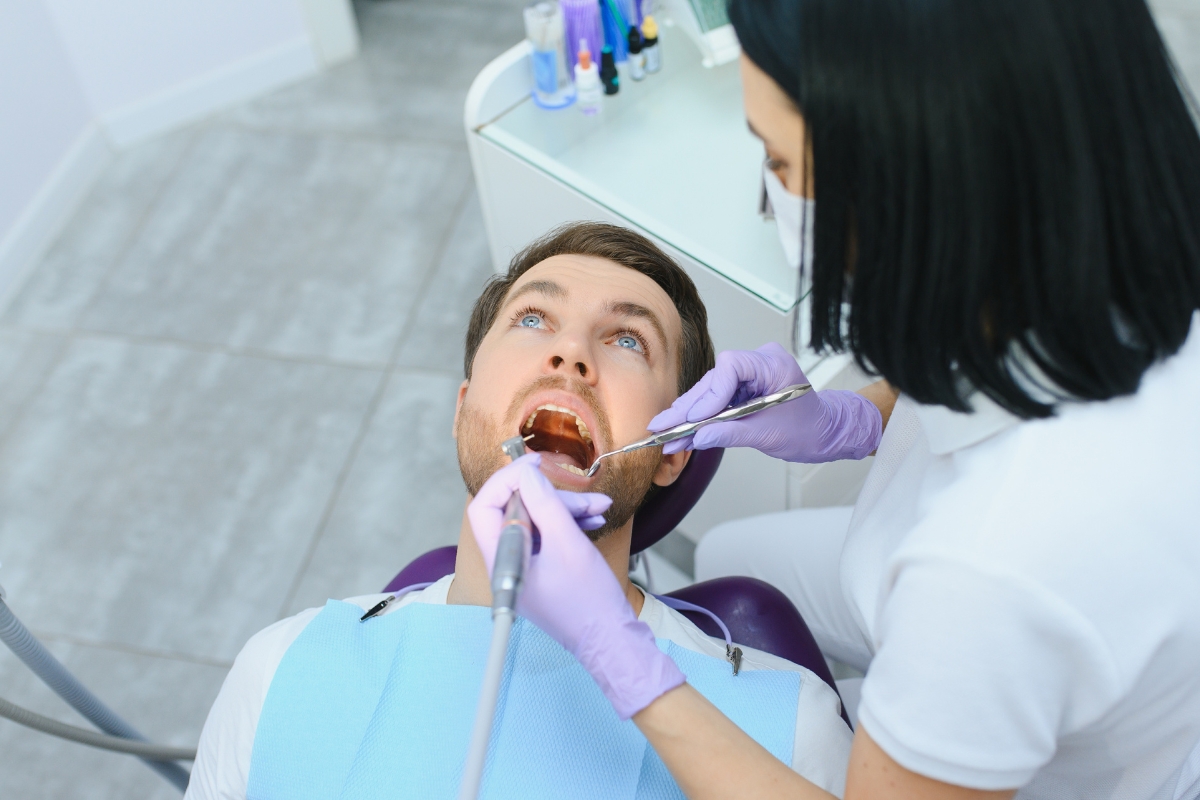
Just had a tooth pulled and wondering what’s safe to eat tonight? You’re not alone. One of the most common questions patients ask after a tooth extraction Scottsdale dentists perform is simple: “What can I actually eat without messing up my healing?”
The truth is, what you eat in the first few days after an extraction can make the difference between a smooth recovery and a painful setback like dry socket. Eating the wrong foods too soon can dislodge the blood clot that’s protecting your extraction site, leading to delays, discomfort, and even infection.
In this guide, we’ll walk through exactly which foods to avoid, why they cause problems, and what you can eat instead so you can heal quickly and comfortably.
Why Food Choices Matter So Much After Extraction
When a tooth is removed, your body forms a blood clot in the socket. This clot is essential it protects the underlying bone and nerves while new tissue grows.
Certain foods and eating habits can disrupt this clot or irritate the surgical site. That’s why any experienced dentist Scottsdale patients trust will give you specific dietary guidelines before you leave the office.
Ignoring these instructions doesn’t just slow healing. It can lead to a painful condition called dry socket, where the clot is lost prematurely, exposing bone and nerve endings.
Foods to Avoid After a Tooth Extraction
1. Hard and Crunchy Foods
Chips, nuts, popcorn, pretzels, and raw vegetables can scrape against the extraction site or get lodged in the socket.
- Popcorn kernels are especially risky they’re a leading cause of post-extraction complications
- Hard candy can also crack against nearby teeth and irritate healing gums
2. Chewy and Sticky Foods
Caramel, taffy, gum, and even chewy bread can pull at the wound as you bite down.
These foods require excessive jaw movement and suction, both of which can dislodge the healing clot.
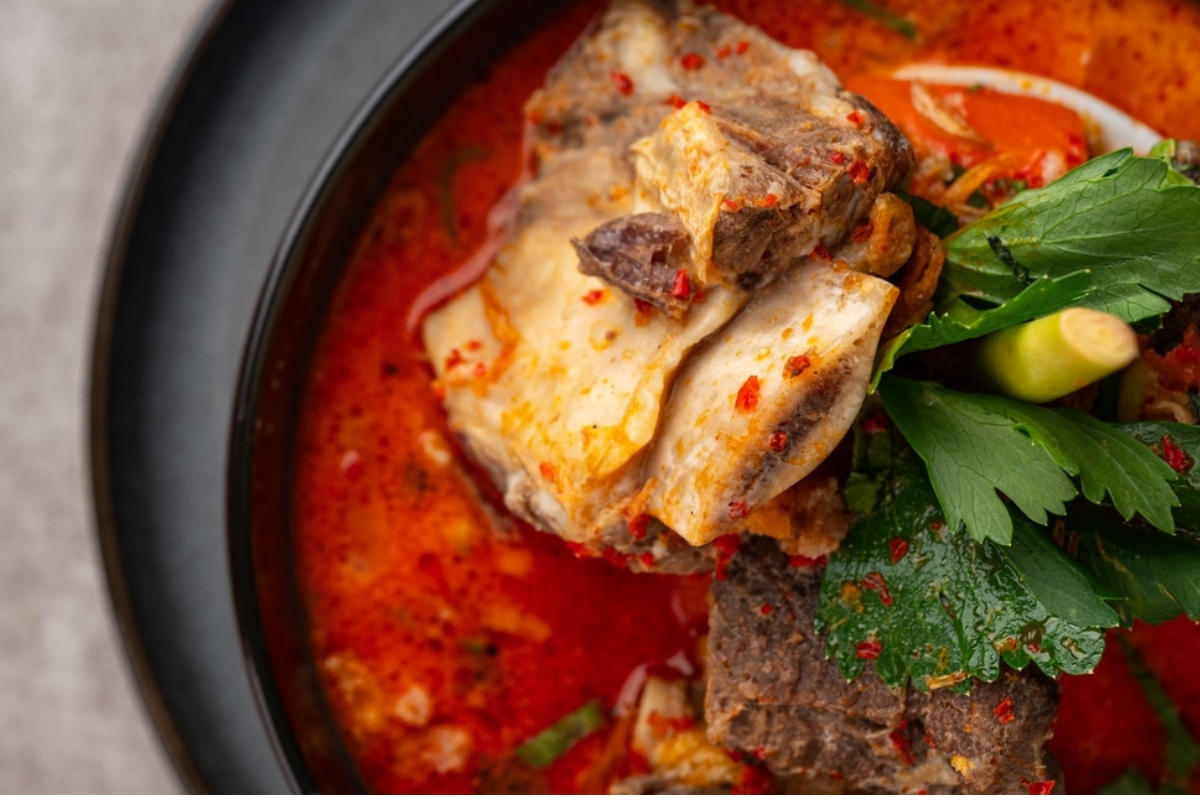
3. Spicy Foods
Spicy dishes may seem harmless, but the compounds in chili peppers and hot sauces can irritate exposed tissue and cause a burning sensation at the extraction site.
Spicy food can also increase inflammation, which slows the healing process.
4. Acidic Foods and Drinks
Citrus fruits, tomatoes, vinegar-based dressings, and carbonated sodas introduce acid directly into a healing wound.
This can cause stinging pain and, in some cases, interfere with clot formation.
5. Very Hot Foods and Beverages
Hot soup, coffee, and tea can increase blood flow to the area, which may dissolve or dislodge the clot too early.
Stick to lukewarm or room-temperature foods for at least the first 24–48 hours.
6. Alcohol and Carbonated Beverages
Alcohol can interact with prescribed pain medication and slow the healing process. Carbonated drinks create bubbles and pressure that can disturb the clot.
7. Small Seeded Foods
Foods like strawberries, sesame seeds, or bread with seeds can easily get trapped in the socket, increasing the risk of infection.
What You Can Eat Instead
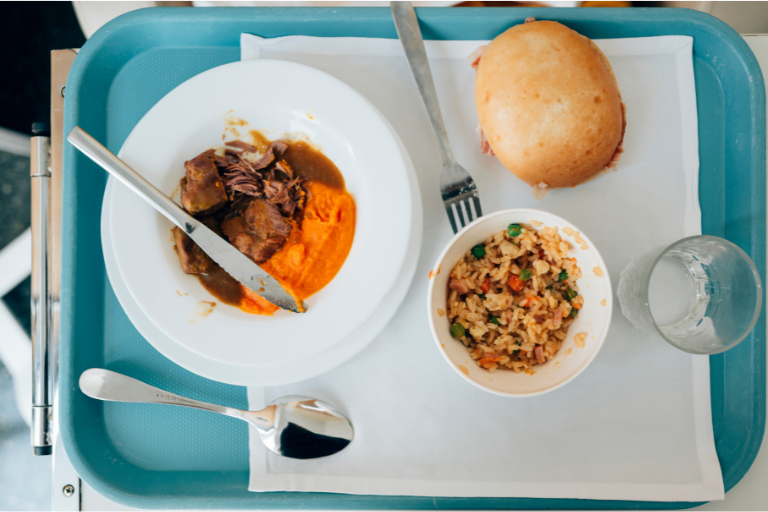
Recovery doesn’t mean going hungry. In fact, eating well supports faster healing. Good options include:
- Mashed potatoes
- Yogurt
- Smoothies (no straw suction can dislodge the clot)
- Scrambled eggs
- Applesauce
- Broth-based soups (lukewarm, not hot)
- Oatmeal
As swelling and sensitivity decrease, usually after 3–5 days, you can gradually reintroduce firmer foods.
How Long Should You Avoid These Foods?
Most patients need to follow a soft-food diet for at least 3 to 7 days, though healing time varies based on the complexity of the extraction.
Wisdom tooth removal, for example, often requires a longer recovery period than a simple extraction. Your dentist will give you a personalized timeline based on your specific procedure.
Tips for a Smoother Recovery
Beyond food choices, a few simple habits go a long way:
- Avoid using straws for at least a week
- Don’t smoke or vape, as this significantly raises dry socket risk
- Chew on the opposite side of your mouth
- Keep up gentle oral hygiene as directed by your dentist
Following these guidelines alongside a smart diet gives your body the best possible environment to heal.
Trust Your Recovery to an Experienced Scottsdale Dental Team
Every mouth heals a little differently, which is why personalized aftercare instructions matter so much. At Pinnacle Peak Dentistry – Scottsdale, our team walks every patient through exactly what to expect after a tooth extraction Scottsdale procedure, including a clear, easy-to-follow food guide tailored to your specific case.
If you’re searching for a compassionate, detail-oriented dentist Scottsdale families rely on, we’re here to help you feel confident every step of the way from the procedure itself to full recovery.
Schedule your appointment today with Pinnacle Peak Dentistry – Scottsdale, located in Scottsdale, AZ 85255, and experience dental care that puts your comfort first.
Common Questions Patients Ask Us
What Foods Should I Avoid After A Tooth Extraction?
After a tooth extraction, you should avoid hard, crunchy, spicy, chewy, and acidic foods. These can irritate the extraction site, dislodge the blood clot, or slow the healing process.
Why Should I Not Eat Hard Foods Like Apples Or Carrots After Tooth Removal?
Hard fruits and vegetables require strong chewing, which can put pressure on the healing area and may cause pain or damage the blood clot that protects the wound.
Can Spicy Foods Delay Healing After Tooth Extraction?
Yes. Spicy foods can cause a burning sensation and irritate the sensitive tissues around the extraction site, making healing slower and more uncomfortable.
Why Should I Avoid Chewy Foods After Tooth Removal?
Chewy foods like steak, jerky, and candy require heavy jaw movement. This can strain the muscles and irritate the extraction area, making recovery more painful.
Are Acidic Foods Bad For Tooth Extraction Healing?
Yes. Acidic foods such as lemons, tomatoes, and citrus juices can sting the extraction site and slow the healing process due to their harsh acidity.
How Long Should I Avoid Certain Foods After A Tooth Extraction?
Most dentists recommend avoiding hard, crunchy, spicy, and acidic foods for at least 7–10 days, or until the extraction site has begun to heal. Your recovery time may vary depending on the complexity of the extraction.
How soon after extraction can I eat normally?
Most patients can return to a normal diet within a week, though it’s best to reintroduce harder foods gradually and watch for any discomfort.
Can I eat ice cream after a tooth extraction?
Soft, cold foods like ice cream are generally fine in the first day or two, but avoid anything with nuts, chips, or crunchy toppings.
What happens if I accidentally eat something I shouldn’t have?
Don’t panic rinse gently with warm salt water and monitor for increased pain or bleeding. If symptoms worsen, contact your dentist right away.
Is it okay to drink coffee the day after my extraction?
It’s best to wait until it’s cooled to room temperature, and avoid using a straw, since hot liquids and suction can both disturb the healing site.
Why do dentists warn so strongly against straws?
The suction created by drinking through a straw can dislodge the protective blood clot, significantly increasing your risk of dry socket.
How do I know if I’m developing dry socket?
Signs include intense pain a few days after extraction, a visible empty socket, and bad breath or an unpleasant taste. If you notice these symptoms, reach out to your dentist promptly for evaluation.