Michael Schwartz, DMD

Do You Have Healthy Teeth for Veneers? Here’s How to Tell

Are your teeth healthy enough for veneers? This is one of the most common questions Dr. Michael Schwartz hears at Pinnacle Peak Dentistry in Scottsdale. Having healthy teeth for veneers is essential for achieving long-lasting, natural-looking results. While veneers can dramatically transform your smile, not everyone is an ideal candidate right away. This self-screening checklist helps you understand what factors matter most before your consultation.
What Are Veneers and Who Are They For?
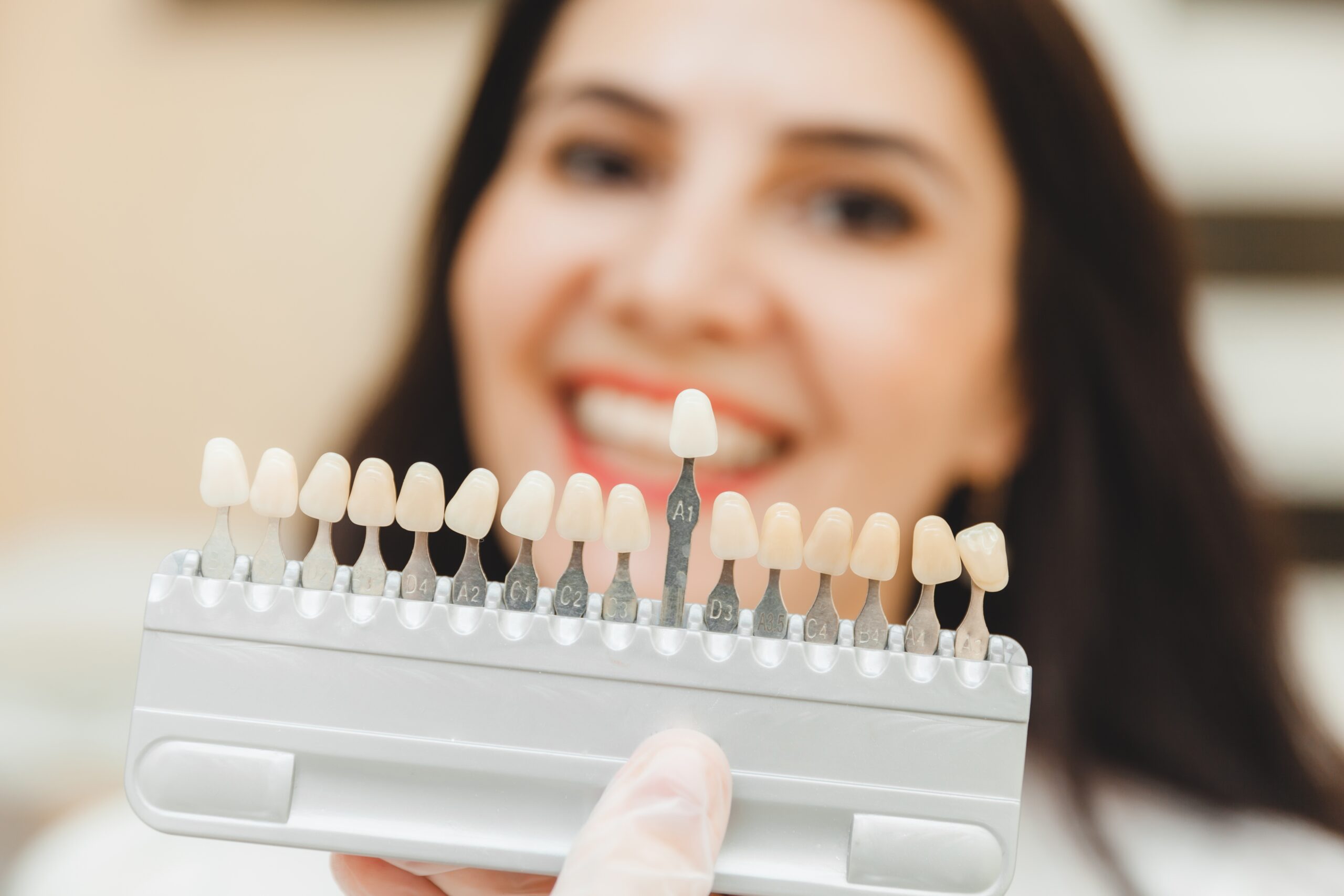
Porcelain veneers are thin shells bonded to the front surface of your teeth. They correct chips, stains, gaps, and minor misalignment. Many Scottsdale patients choose veneers for a faster smile makeover. They are a cosmetic solution but they require a healthy foundation first.
Veneers work best for patients with mild to moderate cosmetic concerns. They are not designed to fix severe structural damage or major bite problems. Understanding the difference helps set realistic expectations. That is exactly what this checklist is designed to do.
Checklist: Tooth Structure Requirements for Veneer Candidacy in Scottsdale
Your natural tooth structure plays a major role in veneer success. A dentist removes a small layer of enamel before placing veneers. If your enamel is already thin or heavily worn, this could be a problem. Sufficient enamel thickness is essential for a strong, lasting bond.
Ask yourself these questions about your tooth structure:
- Do your teeth have enough enamel to support bonding?
- Are your teeth free from large fillings or decay?
- Do you have at least a moderate amount of natural tooth remaining?
- Are your teeth relatively straight or only mildly misaligned?
Teeth with significant decay or large existing restorations may need other treatments first. Dental Implants or crowns may be better options for severely damaged teeth. Dr. Schwartz evaluates each case individually. He will recommend the most appropriate path for your specific situation.
Gum Health: A Non-Negotiable Factor
Healthy gums are absolutely required before placing veneers. Inflamed, bleeding, or receding gums indicate active gum disease. Placing veneers over unhealthy gums leads to poor outcomes. It can also accelerate gum recession over time.
Use this quick gum health self-check:
- Do your gums bleed when you brush or floss?
- Are your gums red, swollen, or tender?
- Have your gums pulled away from your teeth?
- Do you have persistent bad breath despite good hygiene?
If you answered yes to any of these, gum treatment comes first. Pinnacle Peak Dentistry offers comprehensive cleanings and periodontal care. Treating gum disease before cosmetic work protects your investment. Healthy gums also help veneers look more natural and last longer.
Bite Considerations That Affect Veneer Longevity
Your bite puts tremendous force on your teeth every day. Veneers are durable, but they are not indestructible. Certain bite patterns significantly increase the risk of veneer damage. Dr. Schwartz carefully assesses bite alignment during every veneer consultation in Scottsdale.
Bruxism or teeth grinding is one of the biggest concerns. Grinding places excessive pressure on veneers. This can cause chipping or even complete fracture over time. If you grind your teeth, a custom night guard may be recommended before or alongside veneer placement.
Other bite factors to consider include:
- Deep overbite: upper teeth overlap lower teeth significantly
- Edge-to-edge bite: front teeth meet directly when biting
- Open bite: upper and lower teeth do not fully close together
These bite issues do not necessarily disqualify you from veneers. They may require prior orthodontic treatment or bite adjustment. Invisalign is sometimes recommended before veneers to optimize alignment. A stable bite creates the best long-term outcome for your new smile.
Habits and Lifestyle Factors That Matter
Your daily habits directly affect how long veneers last. Some habits can compromise veneers quickly. Being honest with yourself about these factors helps you prepare for a successful outcome.
Consider these lifestyle questions before your consultation:
- Do you smoke or use tobacco products regularly?
- Do you bite your nails, chew ice, or use teeth as tools?
- Do you consume heavily staining beverages like coffee or red wine daily?
- Do you clench your jaw under stress?
Tobacco use stains veneers and harms gum health over time. Nail biting and chewing hard objects can chip porcelain. While veneers resist staining better than natural teeth, heavy staining habits still matter. Modifying these habits before and after placement protects your smile investment.
It is also worth noting that dental emergencies can happen unexpectedly. If you ever experience a chipped or dislodged veneer, prompt care is critical. Pinnacle Peak Dentistry handles Dental Emergencies and can address urgent veneer concerns quickly.
When You Are Not Yet Ready; And What to Do Next
Failing this checklist does not mean veneers are off the table permanently. It simply means some preparation steps are needed first. Many Scottsdale patients work with Dr. Schwartz over a few months to become ideal candidates. The preparation process is part of a complete smile transformation plan.
Common preparatory treatments include:
- Professional teeth cleaning and gum therapy
- Decay removal and restorative treatment
- Orthodontic alignment with Invisalign
- Night guard fabrication for bruxism management
Once your oral health foundation is solid, veneers can be placed with confidence. The results last much longer when the groundwork is done properly. Dr. Schwartz takes a comprehensive approach to every smile makeover. Your long-term satisfaction is always the priority.
Conclusion: Your Next Step Toward a Confident Smile in Scottsdale
This self-screening checklist gives you a clearer picture of your veneer readiness. Healthy enamel, strong gums, a balanced bite, and mindful habits all contribute to success. If you checked most boxes, you may already be a great candidate. If not, the right preparation makes all the difference.
Dr. Michael Schwartz and the team at Pinnacle Peak Dentistry in Scottsdale are here to guide you. A personalized consultation is the best way to know for certain. Every smile is unique, and every treatment plan should be too. Book Now to schedule your appointment with our team.
Frequently Asked Questions
How do I know if I have enough enamel for veneers?
A dentist uses X-rays and a clinical exam to assess your enamel thickness. You typically need enough enamel to support bonding after a small amount is removed. Patients with heavily worn or eroded enamel may need alternative options. Dr. Schwartz evaluates this during every veneer consultation at Pinnacle Peak Dentistry.
Can I get veneers if I grind my teeth?
Teeth grinding does not automatically disqualify you from veneers. However, it does increase the risk of chipping or fracturing the porcelain. A custom night guard is often recommended to protect your veneers while you sleep. Dr. Schwartz will assess your grinding patterns and recommend the best protective measures.
Do I need perfectly straight teeth before getting veneers?
Veneers can correct mild misalignment on their own. However, more significant crowding or bite issues may require orthodontic treatment first. Invisalign is a popular option at Pinnacle Peak Dentistry before veneer placement. Properly aligned teeth help veneers look more natural and last longer.
How long do veneers typically last?
Porcelain veneers generally last between 10 and 15 years with proper care. Lifespan depends on oral hygiene, bite habits, and lifestyle factors. Avoiding hard foods, grinding, and tobacco use helps veneers stay intact longer. Regular dental checkups at Pinnacle Peak Dentistry in Scottsdale also extend their durability.
What happens during a veneer consultation at Pinnacle Peak Dentistry?
Dr. Schwartz will review your dental and medical history during your consultation. He will examine your teeth, gums, and bite alignment thoroughly. Digital imaging and impressions may be taken to plan your smile design. You will leave with a clear understanding of your candidacy and treatment timeline.