Michael Schwartz, DMD
How to Prevent Gum Disease and Keep Your Smile Healthy

Gum disease is one of the most common oral health issues affecting adults—and the tricky part is that it often starts silently. Many people in Scottsdale live busy, active lifestyles, enjoying everything from hiking Pinnacle Peak to dining outdoors in Old Town. In the middle of all that, oral health can sometimes slip down the priority list. But healthy gums are the foundation of a strong, confident smile and overall wellness.
The good news? Gum disease is largely preventable with the right habits, timely care, and awareness of early warning signs. Let’s walk through practical, everyday ways you can protect your gums and why local professional care plays such a vital role.
What Is Gum Disease, Really?
Gum disease (also known as periodontal disease) begins when plaque a sticky film of bacteria builds up along the gumline. If it’s not removed, it hardens into tartar and irritates the gums.
There are two main stages:
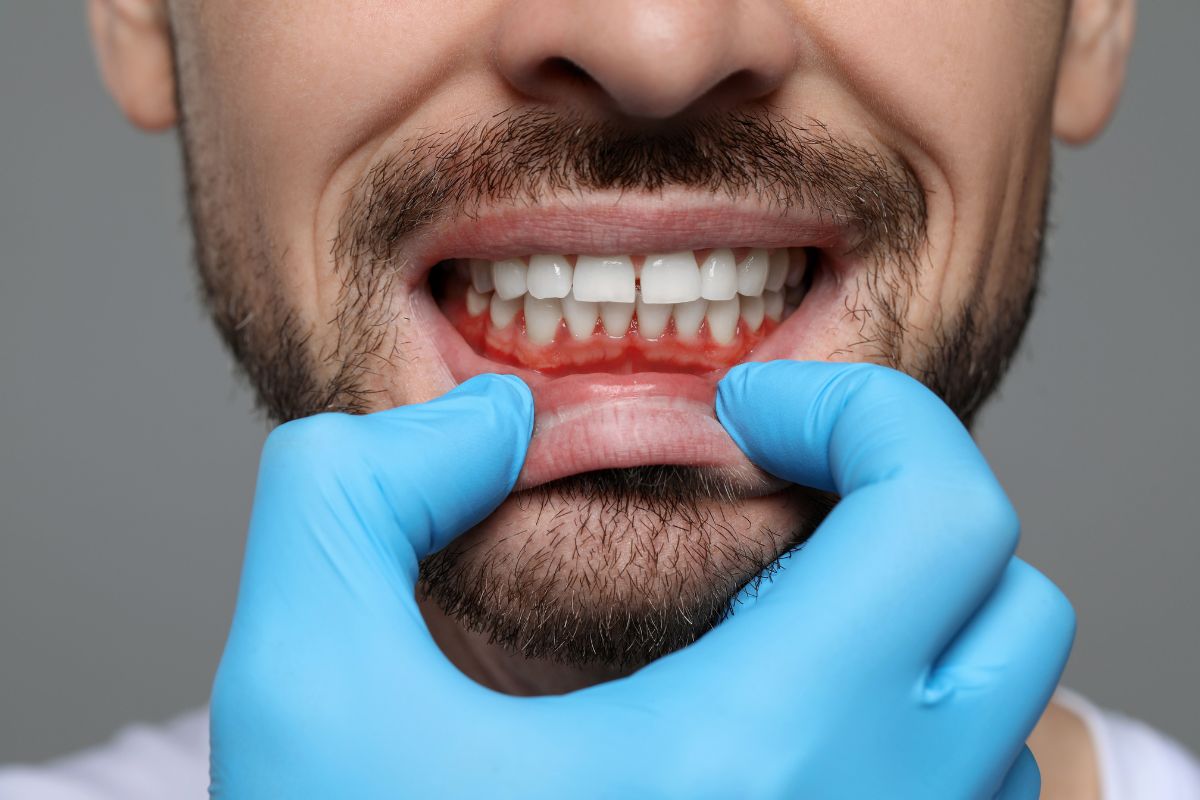
- Gingivitis – Early-stage gum inflammation, often marked by redness, swelling, and bleeding
- Periodontitis – Advanced gum disease that can lead to gum recession, bone loss, and even tooth loss
Catching it early makes all the difference.
Why Gum Health Matters Beyond Your Mouth
Healthy gums don’t just support your teeth—they support your overall health. Research continues to link gum disease with conditions such as heart disease, diabetes, and inflammation-related issues.
For Scottsdale residents who value an active, wellness-focused lifestyle, keeping gums healthy is part of staying healthy overall.
Daily Habits That Help Prevent Gum Disease
Prevention starts at home. These simple routines, when done consistently, can dramatically lower your risk.
1. Brush with Purpose
Brushing twice a day is essential, but technique matters. Use a soft-bristled toothbrush and gently angle it toward the gumline to remove plaque without irritation.
2. Don’t Skip Flossing
Flossing once a day removes bacteria and food particles your toothbrush can’t reach. This is one of the most effective ways to prevent gum inflammation.
3. Rinse Smart
An antibacterial mouthwash can reduce plaque-causing bacteria and help keep your breath fresh—especially helpful in Scottsdale’s dry climate, which can contribute to dry mouth.
4. Stay Hydrated
Drinking plenty of water helps wash away bacteria and supports saliva production, your body’s natural defense against gum disease.
The Role of Professional Dental Care
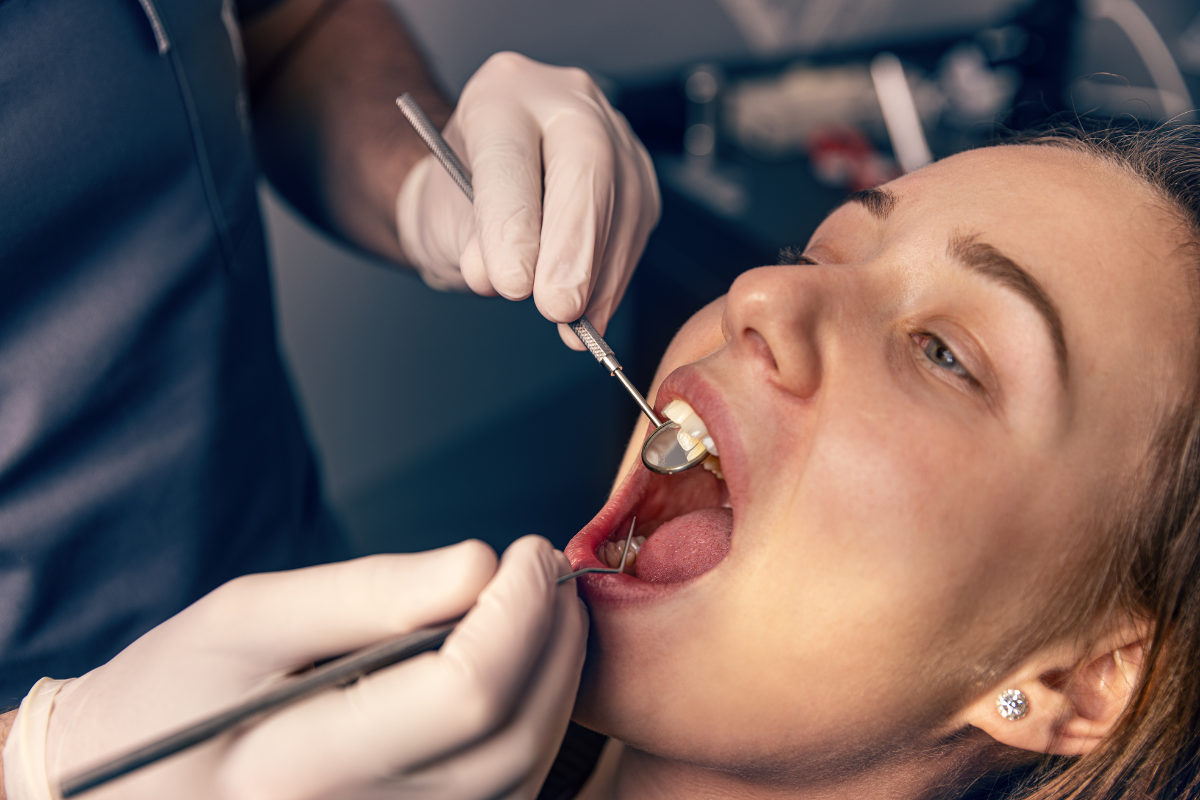
Even with great home care, plaque can still harden into tartar that only professional cleanings can remove. Visiting a trusted dentist in Scottsdale ensures early detection and personalized care tailored to your needs.
Routine dental visits allow professionals to:
- Monitor gum health and measure gum pockets
- Perform deep cleanings when necessary
- Catch signs of gum disease before symptoms worsen
Local practices understand lifestyle factors common in Scottsdale—from diet to climate—and how they affect oral health.
Local Factors That Can Affect Gum Health in Scottsdale
Living in Scottsdale comes with unique perks and a few oral health considerations:
- Dry Desert Air: Can contribute to dry mouth, increasing the risk of bacterial growth
- Active Outdoor Lifestyle: Dehydration can sneak up quickly if you’re hiking or golfing
- Seasonal Residents: Long gaps between dental visits can allow gum issues to progress unnoticed
Being aware of these factors helps you take proactive steps year-round.
Warning Signs You Shouldn’t Ignore
Gum disease often progresses quietly. Pay attention to these early indicators:
- Bleeding when brushing or flossing
- Red, swollen, or tender gums
- Persistent bad breath
- Receding gums or teeth looking “longer”
- Sensitivity when chewing
If you notice any of these, scheduling a checkup with a local dentist in Scottsdale can help prevent long-term damage.
Lifestyle Choices That Support Healthy Gums
Your daily choices matter more than you might think.
- Eat a balanced diet: Foods rich in vitamins C and D support gum tissue
- Limit sugary snacks and drinks: Sugar feeds harmful bacteria
- Avoid tobacco products: Smoking significantly increases gum disease risk
- Manage stress: Chronic stress can weaken your immune response, including gum health
Consistency Is the Key to Prevention
Preventing gum disease isn’t about perfection it’s about consistency. Small, daily habits combined with regular professional care can keep your gums healthy for decades.
If you’re looking for personalized preventive care and a team that truly understands the local community, Pinnacle Peak Dentistry is here to help. Our experienced team focuses on long-term gum health using modern techniques in a comfortable, patient-first environment.
Take the next step toward healthier gums: book your appointment with Pinnacle Peak Dentistry today.
FAQs
How Often Should I Get My Gums Checked?
Most people should have their gums evaluated every six months during routine dental visits. If you’re at higher risk, your dentist may recommend more frequent checkups.
Can Gum Disease Be Reversed?
Early-stage gum disease (gingivitis) can often be reversed with professional cleanings and improved home care. Advanced stages require ongoing management.
Is Bleeding Gums Always A Sign Of Gum Disease?
Occasional bleeding can happen, but consistent bleeding is not normal and should be evaluated by a dental professional.
Does Dry Mouth Increase Gum Disease Risk?
Yes. Reduced saliva allows bacteria to grow more easily, increasing the risk of plaque buildup and gum inflammation.
When Should I See A Dentist About Gum Concerns?
If you notice bleeding, swelling, or persistent bad breath, don’t wait. Early intervention leads to better outcomes.