
Michael Schwartz, DMD

How to Remove Coffee, Tea and Wine Stains from Teeth

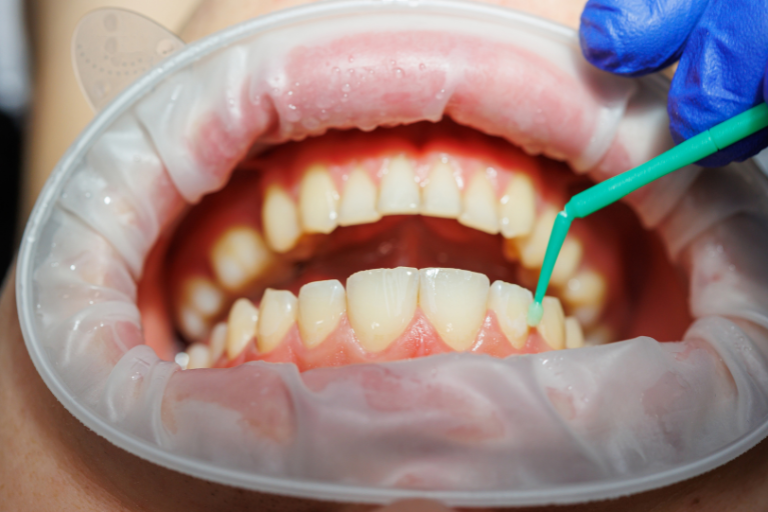
If your morning starts with a cup of dark roast and your evenings sometimes end with a glass of red on a patio in Old Town, you’ve probably noticed your smile isn’t quite as bright as it used to be. You’re far from the only one. Stained teeth are one of the most common things patients bring up at checkups, and the fix is usually a lot simpler than people expect once they understand what’s actually happening to the enamel.
The good news is that most beverage stains develop slowly, which means they can also be treated and managed with the right combination of daily habits and professional care. A brighter smile often comes down to understanding what is causing the discoloration in the first place.
Coffee, tea and wine all contain compounds called tannins, along with deep pigments that cling to the microscopic ridges in your enamel. Over months and years, those pigments build up into a yellowish or grayish layer that brushing alone can’t fully remove. Wine adds another problem on top of that, since its acidity gently softens enamel each time you drink it, which makes the surface even more likely to absorb the next stain that comes along. For patients seeking teeth whitening in Scottsdale and wanting a faster, more reliable result than store shelves can offer, professional Dental Teeth Whitening remains the most predictable way to reverse years of buildup in a single visit or a short series of them.
Why These Particular Stains Are So Stubborn
Not all staining is created equal. Extrinsic stains, the kind caused by coffee, tea, and wine, sit on the outer enamel and are generally treatable. Intrinsic stains, which come from inside the tooth due to aging, certain medications, or old trauma, respond differently and sometimes need veneers rather than whitening. Most people dealing with everyday beverage staining fall into the extrinsic category, which is good news, because that’s the kind whitening treatments are specifically designed to lift.
Another reason these stains linger is that enamel is not completely smooth. Tiny pores and grooves trap pigments every time you sip a dark beverage. Over time, the stains become more noticeable and regular brushing simply cannot reach deep enough to remove them.
What Actually Works at Home
A few habits go a long way between professional visits. Rinsing your mouth with water right after coffee, tea, or wine helps wash away pigment before it has time to settle into the enamel. Using a straw for iced coffee or tea reduces the amount of liquid that contacts your front teeth directly. Whitening toothpastes with mild abrasives can help maintain results, but they work on surface polish and won’t lighten a tooth’s actual shade the way a peroxide-based treatment does. Waiting about thirty minutes after wine or coffee before brushing also matters, since brushing immediately after an acidic drink can actually spread the acid across softened enamel rather than removing it.
Simple ways to reduce new stains:
- Drink a glass of water after dark beverages to rinse away lingering pigments.
- Keep up with regular cleanings so plaque and surface stains don’t have time to build up.
These small changes may seem minor, but they can noticeably extend the life of your whitening results.
Why Over-the-Counter Strips Often Fall Short
Drugstore strips and trays use a much lower concentration of whitening agent than what a dentist can apply, partly for safety reasons since they aren’t monitored by a professional. They can lighten teeth a shade or two over weeks of consistent use, but they often whiten unevenly, especially around old fillings or crowns, and they do little for deeper, years-old staining. For Scottsdale residents juggling busy schedules, weeks of inconsistent strip use rarely outperforms a single supervised session.
Many people also stop using these products before they see meaningful improvement, which is why professional treatment is often viewed as a more efficient and predictable option.
What Professional Whitening Actually Involves
In-office whitening uses a stronger, carefully applied gel along with controlled exposure that lightens teeth several shades in about an hour. Take-home custom trays are another option, using a professional-strength gel in trays molded specifically to your teeth, applied over one to two weeks for a more gradual result. Both approaches are monitored to protect your gums and enamel, which is the main advantage over anything purchased off a shelf. Anyone actively looking into teeth whitening in Scottsdale should know that results and timelines vary based on how stained your teeth are to begin with, so a quick exam beforehand sets realistic expectations.
Signs you may benefit from professional whitening:
- Your teeth still look yellow after regular brushing and cleanings.
- Store-bought whitening products haven’t given you the results you expected.
Keeping Results Bright in a Desert Climate
Our dry climate means a lot of people here drink more iced coffee and more wine on warm evenings than they might somewhere cooler, which can shorten how long whitening results last. Staying hydrated, rinsing after dark beverages, and scheduling a touch-up treatment every six to twelve months keeps your smile from sliding back toward its old shade. Patients who book regular cleanings tend to need far less dramatic whitening down the line, since plaque and surface buildup are kept in check before they have a chance to trap pigment.
Consistency matters more than perfection. Even a few preventive habits can make the difference between needing occasional touch-ups and starting over with significant discoloration every year.
If your coffee habit or your love of a good Cabernet has left your teeth looking duller than you’d like, a real conversation about teeth whitening in Scottsdale is a good place to start. At Pinnacle Peak Dentistry, Dr. Michael Schwartz and our team can evaluate your enamel, talk through in-office and take-home options, and help you choose the treatment that best fits your timeline and your teeth. Call us at (602) 894-3319 or request an appointment online to get started.
Frequently Asked Questions
How long does professional whitening usually last?
Most patients see results hold for six months to a year, depending on diet, habits like smoking, and how consistent they are with touch-ups
Is whitening safe for sensitive teeth?
Yes, in most cases. A dentist can adjust the gel concentration and use desensitizing agents beforehand so sensitive patients can still get a comfortable, effective result.
Can whitening remove stains from old fillings or crowns?
No, whitening only affects natural tooth enamel. Fillings and crowns keep their original color, which is something to plan for if those are on your front teeth.
Will whitening damage my enamel?
When done under professional supervision with the right concentration and exposure time, whitening does not damage healthy enamel.
How soon can I drink coffee or wine again after whitening?
Most dentists recommend avoiding dark beverages for about forty-eight hours after treatment, since the enamel is temporarily more porous and prone to picking up new stains.