Michael Schwartz, DMD

Signs Your Dental Crown Might Be Failing (Don’t Ignore These!)

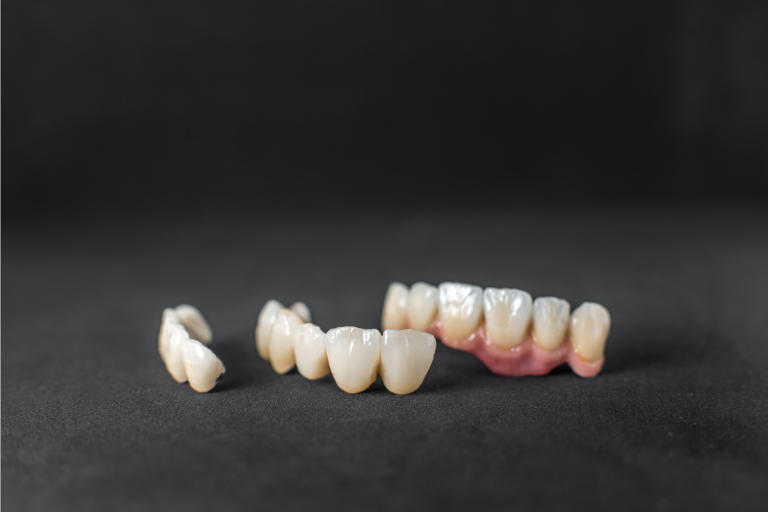
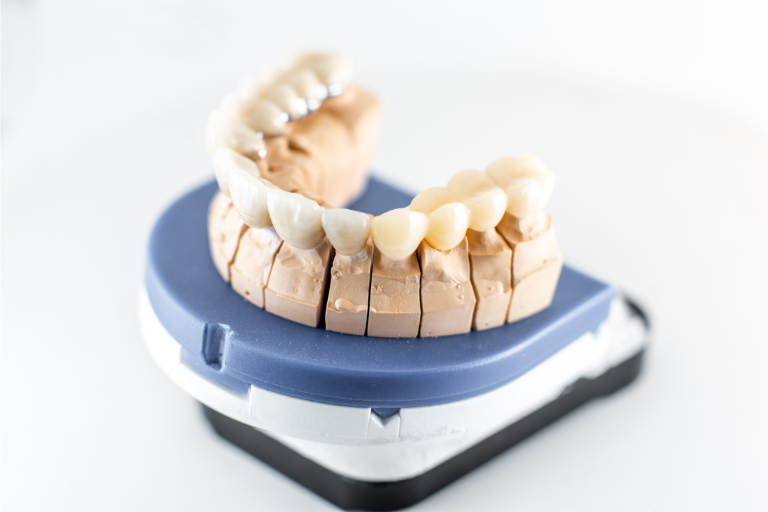
Dental crowns are designed to protect damaged teeth, restore function, and keep your smile looking natural. When done right, they can last many years even decades. But like anything in dentistry, crowns aren’t invincible. They can wear down, loosen, or fail over time, and ignoring the warning signs can lead to bigger (and more painful) problems.
If you live in or around Scottsdale, where busy schedules, outdoor lifestyles, and even teeth grinding from stress are common, it’s especially important to know when something doesn’t feel right. Let’s walk through the signs that your dental crown may be failing and what you should do next.
Take the Next Step Toward Stronger Teeth

Thanks for taking the time to read our expert insights on how dental crowns can restore strength, function, and appearance to damaged teeth! At Pinnacle Peak Dentistry, Dr. Michael Schwartz and his dedicated team are committed to delivering high-quality crown treatments designed for comfort, durability, and long-term oral health.
Whether you’re considering a dental crown for protection, restoration, or cosmetic improvement, we’re here to guide you every step of the way. Schedule your visit at Pinnacle Peak Dentistry and experience care that fits your needs and goals.
Persistent Tooth Pain or Sensitivity
A little sensitivity right after a crown is placed can be normal. Ongoing pain weeks or months later is not.
You may notice:
- Sharp pain when biting down
- Sensitivity to hot or cold drinks
- A dull ache that comes and goes
This could mean the crown no longer fits properly, the underlying tooth is irritated, or decay has developed beneath the crown. In Scottsdale’s climate, where cold drinks and iced coffees are a daily habit for many, lingering sensitivity is often the first red flag patients notice.
The Crown Feels Loose or Moves
A crown should feel like part of your natural tooth. If it wiggles, shifts when chewing, or feels “off,” something isn’t right.
Common causes include:
- Worn or weakened dental cement
- Teeth grinding (very common among adults)
- Changes in bite alignment
Loose crowns can trap bacteria underneath, increasing the risk of infection. If you’ve invested in dental crowns in Scottsdale, protecting that investment with prompt care is essential.
Pain When Chewing or Biting
Does it hurt only when you bite down? That’s a classic sign of a failing crown.
This may indicate:
- A cracked crown
- A fracture in the tooth underneath
- A bite that’s no longer properly aligned
Scottsdale residents who enjoy crunchy foods or outdoor activities like hiking and cycling sometimes don’t realize minor dental trauma can affect crowned teeth.
Swollen or Tender Gums Around the Crown
Healthy gums should be pink and firm—not swollen, red, or bleeding.
Watch for:
- Gum tenderness around the crowned tooth
- Bleeding when brushing or flossing
- A small pimple-like bump on the gum (possible infection)
These symptoms may signal trapped bacteria, gum disease, or an abscess forming beneath the crown.
A Visible Crack or Damage
Modern crowns are strong, but they’re not indestructible. Chewing ice, biting fingernails, or nighttime grinding can cause small cracks that worsen over time.
You might notice:
- A hairline crack
- Rough or sharp edges
- A piece of the crown missing
Even minor damage can compromise the crown’s seal and expose the tooth underneath.
Bad Taste or Odor That Won’t Go Away
A persistent bad taste or smell near a crowned tooth is often overlooked—but it’s important.
This may mean:
- Food debris trapped under the crown
- Decay forming beneath it
- Cement breakdown
No amount of brushing or mouthwash will fix the underlying issue. A professional evaluation is needed.
Changes in Your Bite
If your teeth suddenly don’t fit together the way they used to, your crown may be part of the problem.
Signs include:
- Jaw discomfort
- Headaches
- Uneven pressure when chewing
Bite changes can gradually damage surrounding teeth and lead to TMJ issues, something many Scottsdale patients already struggle with due to stress-related clenching.
What to Do If You Notice These Signs
Ignoring a failing crown can lead to:
- Root canal infections
- Tooth fractures
- Tooth loss
The good news? Early intervention often means a simple fix rather than a major procedure.
Don’t wait if you notice:
- Pain that lasts more than a few days
- Any looseness or movement
- Gum changes around a crown
A quick dental visit can protect your tooth and save you time and money.
Tips to Help Your Crown Last Longer
- Brush twice daily with a soft-bristled toothbrush
- Floss carefully around the crown every day
- Avoid chewing ice or very hard foods
- Wear a night guard if you grind your teeth
- Schedule regular dental checkups
With proper care, dental crowns in Scottsdale can withstand the demands of everyday life from workdays to weekend adventures in the desert.
I had an amazing experience. Dr Schwartz explained each step along the way and Brooke was awesome . The appointment went smoothly . Can’t wait to see final results – S Clark
Learn what others think about their dental care – visit our Google reviews.
Schedule a Dental Crown Check Today
Your dental crown should protect your tooth, not cause discomfort or worry. If something feels off, trust your instincts. Addressing problems early can save your smile and prevent more complex treatment later.
If you’re experiencing any of these warning signs or simply want peace of mind, the team at Pinnacle Peak Dentistry is here to help. We focus on comfortable, personalized care and long-term solutions tailored to life in Scottsdale.
Schedule your appointment today and keep your smile strong, healthy, and worry-free.
FAQs
How Long Should A Dental Crown Last?
Most crowns last 10–15 years, and sometimes longer with excellent oral hygiene and regular dental visits.
Can A Failing Crown Be Repaired, Or Does It Need Replacement?
It depends on the issue. Minor adjustments or re-cementing may be enough, but cracks or decay often require replacement.
Is Crown Pain Always An Emergency?
Not always, but persistent pain should never be ignored. Early treatment prevents complications.
Can Stress Cause Crown Problems?
Yes. Teeth grinding and clenching common in high-stress lifestyles can loosen or damage crowns over time.