Michael Schwartz, DMD

Sudden Tooth Sensitivity? Top Reasons & How to Treat It Fast

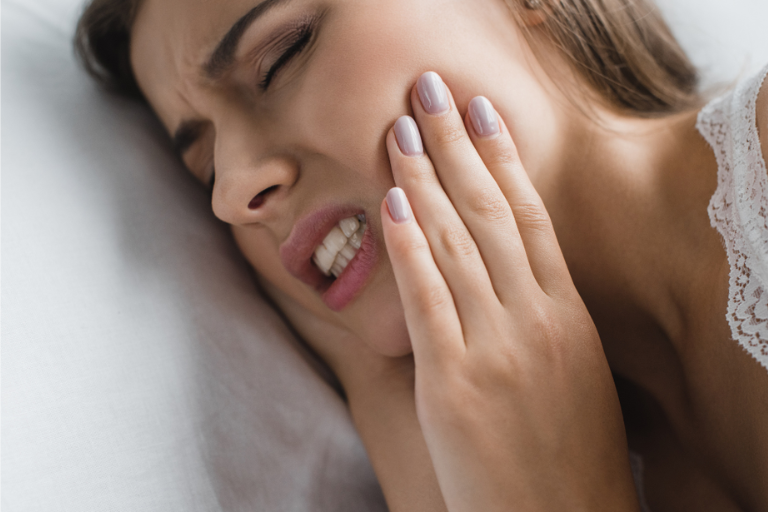
Have you ever taken a sip of ice water or your morning coffee and suddenly felt a sharp, unexpected zap of pain in your teeth? Sudden tooth sensitivity is incredibly common but also incredibly frustrating. The good news? Most causes are easy to identify, and with the right care, sensitivity can often be treated quickly.
Before you panic and assume the worst, let’s break down what might be happening inside your mouth and how fast you can feel relief. And if the pain becomes too frequent, a dentist in Scottsdale AZ can help pinpoint the exact cause.
Why Do You Suddenly Have Tooth Sensitivity?
Tooth sensitivity often comes on without warning, but it’s rarely random. Here are the most common triggers:
Enamel Erosion
Enamel is the hard outer layer of your teeth. Once it thins, the sensitive inner layer (dentin) becomes exposed causing sharp pain.
Common causes: acidic drinks, grinding teeth, aggressive brushing.
Receding Gums
Gum recession exposes the root surface, which has no protective enamel. Even mild temperature changes can trigger discomfort.
If you notice longer-looking teeth, recession may be the reason.
A Cracked Tooth
Sudden sensitivity, especially when biting down, may signal a hairline crack. Cracks are often invisible but can worsen fast so early diagnosis is key.
Tooth Decay or Cavities
Sensitivity to sweets or cold may mean a cavity has reached the dentin. Even small cavities can cause surprisingly sharp pain.
Whitening Treatments
Professional or at-home whitening products can temporarily irritate the tooth’s nerve. This sensitivity usually fades after a few days.
Recent Dental Procedures
Fillings, crowns, and cleanings sometimes cause temporary hypersensitivity but this should ease gradually.
Sinus Pressure
Surprisingly, sinus inflammation can make your upper teeth feel sensitive or achy. If sensitivity comes with congestion, your sinuses might be the real culprit.
Fast Ways to Treat Sudden Sensitivity at Home
While it’s important to understand the cause, you can often get quick relief with these dentist-approved tips:
✔ Switch to a Sensitivity Toothpaste
Look for ingredients like potassium nitrate or stannous fluoride. These block pain signals and strengthen enamel.
✔ Use a Soft-Bristled Toothbrush
Hard bristles can make enamel wear down faster. Gentle brushing protects your teeth and gums.
✔ Avoid Acidic Foods Temporarily
Citrus, wine, soda, and vinegar-based products can worsen sensitivity. Give your enamel time to recover.
✔ Warm Salt Water Rinse
A simple rinse can reduce inflammation, calm irritated tissues, and help with gum-related sensitivity.
✔ Don’t Brush Too Hard
Many people don’t realize pressure matters more than technique. Light, circular motions help protect enamel.
✔ Wear a Night Guard If You Grind
Grinding puts enormous stress on your teeth and can quickly lead to sensitivity. A custom night guard can protect your enamel overnight.
When to See a Dentist
If sensitivity lasts longer than a few days, grows more intense, or is paired with swelling or sharp pain when biting, it’s time to get checked by a professional. A dentist in Scottsdale AZ can determine whether the cause is decay, gum issues, enamel loss, or a hidden crack and provide quick, effective treatment.
Get Relief Fast With Pinnacle Peak Dentistry
Sudden tooth sensitivity doesn’t have to control your day or your smile. If you’re dealing with persistent pain, the team at Pinnacle Peak Dentistry is here to help restore comfort quickly and safely. Whether you need a simple desensitizing treatment, a filling, or a custom solution, you’ll get personalized care from a trusted dentist in Scottsdale AZ.
Your comfort matters. Request an appointment with Pinnacle Peak Dentistry today and get long-lasting relief from tooth sensitivity.
FAQs
What causes sudden tooth sensitivity?
Sudden tooth sensitivity is often caused by enamel erosion, gum recession, cavities, cracked teeth, whitening treatments, or recent dental procedures. Even sinus pressure can make upper teeth feel sensitive.
Why do my teeth hurt when I drink something cold?
Cold sensitivity happens when the tooth’s dentin layer becomes exposed. Enamel thinning, gum recession, or an untreated cavity can all trigger sharp pain when teeth contact cold temperatures.
How do I know if my tooth is cracked or just sensitive?
A cracked tooth often causes sharp pain when biting down or releasing pressure. General sensitivity, however, is usually triggered by hot, cold, or sweet foods. A dentist can confirm the difference with an exam.
Can brushing too hard cause sensitive teeth?
Absolutely. Aggressive brushing can wear down enamel and push gums back, exposing sensitive tooth surfaces. Switching to gentle brushing helps prevent further damage.
When should I see a dentist for tooth sensitivity?
You should see a dentist if sensitivity lasts more than a few days, becomes more intense, interferes with eating, or is accompanied by pain when chewing. Persistent sensitivity may signal a deeper issue.