Michael Schwartz, DMD
Teeth Whitening Mistakes Dentists Wish Patients Would Stop Making

A bright, confident smile is one of the first things people notice and in a city as image-conscious as Scottsdale, it’s no surprise that teeth whitening ranks among the most requested cosmetic dental services. But between drugstore kits, online deals, and viral social media trends, there’s a lot of bad advice circulating about how to get whiter teeth safely. Before you reach for that charcoal powder or order a cheap LED kit, it’s worth knowing what the most common mistakes actually are and why they cost you more in the long run.
Looking for Long-Lasting Whitening Results? Start Today!

Thanks for reading our expert guide on common teeth whitening mistakes and how to avoid them. At Pinnacle Peak Dentistry, Dr. Michael Schwartz and our experienced team focus on helping patients achieve safer, more effective whitening results with personalized treatment plans designed around long-term oral health and appearance goals.
Whether you’re considering professional whitening or looking for solutions for stains, sensitivity, or uneven tooth color, our team is here to help you make informed decisions with confidence and comfort.
Mistake #1: Skipping the Dental Exam First
This is the most consequential mistake people make before whitening. Starting a whitening treatment without having a dentist evaluate your teeth first means you might be bleaching over cavities, cracked enamel, exposed roots, or gum disease all of which can make whitening extremely painful and potentially damaging. Teeth whitening in Scottsdale works best when your mouth is healthy going in. A pre-whitening exam is not optional; it’s the foundation of a safe result.
Professional teeth whitening is not only about improving tooth color it’s also about protecting long-term oral health. A customized treatment plan helps reduce sensitivity, ensures even results, and prevents unnecessary damage to enamel or existing dental work.
Mistake #2: Overusing Over-the-Counter Products
Whitening strips and gel trays from the drugstore contain hydrogen peroxide or carbamide peroxide, just like professional products but often in unregulated concentrations, with poorly fitting trays that expose your gums to bleaching agents. Overusing these products irritates and inflames gum tissue, causes lasting tooth sensitivity, and can actually weaken enamel over time. More treatments in a shorter time frame does not equal whiter teeth, it equals damage.
Mistake #3: Choosing the Wrong Whitening Method for Your Stains
Not all tooth stains respond to whitening the same way. Surface stains from coffee, tea, red wine, or tobacco typically respond well to peroxide-based whitening. But intrinsic stains discoloration caused by medications (tetracycline, for example), fluorosis, or old dental restorations do not whiten with bleach. In these cases, professional teeth whitening in Scottsdale might be combined with veneers or bonding to achieve the desired result. Applying whitening treatment to intrinsic staining without addressing the underlying cause just leads to disappointment.
Mistake #4: Ignoring Existing Dental Work
Crowns, veneers, bonding, and tooth-colored fillings do not whiten. They are made from ceramic or composite resin materials that are color-stable meaning bleach has no effect on them. If you whiten your natural teeth and have visible dental restorations, you’ll end up with a noticeable mismatch. A cosmetic dentist can help you plan the whitening process so that your restorations are replaced or updated to match your new tooth color after treatment.
Mistake #5: Trying Unverified DIY Methods
Activated charcoal, baking soda scrubs, lemon juice, apple cider vinegar all of these are aggressively marketed online as natural whitening solutions. What they actually are is abrasive or acidic substances that wear down enamel. Once enamel is gone, it doesn’t grow back. Thinner enamel means more sensitive teeth and a more yellow appearance over time, since the yellowish dentin beneath becomes more visible. Professional teeth whitening in Scottsdale is regulated, evidence-based, and designed to whiten without compromising tooth structure.
Common Whitening Mistakes at a Glance
Here’s a quick summary of what to avoid:
• Starting whitening without a dental exam to rule out cavities, cracks, or gum disease
• Overusing store-bought strips or trays, leading to sensitivity and gum irritation
• Applying whitening to intrinsic stains that require a different cosmetic solution
• Forgetting that crowns, veneers, and fillings won’t change color during whitening
• Using abrasive or acidic DIY methods that permanently thin enamel
• Not maintaining results whitening fades without limiting staining foods and drinks
What Professional Whitening Actually Involves
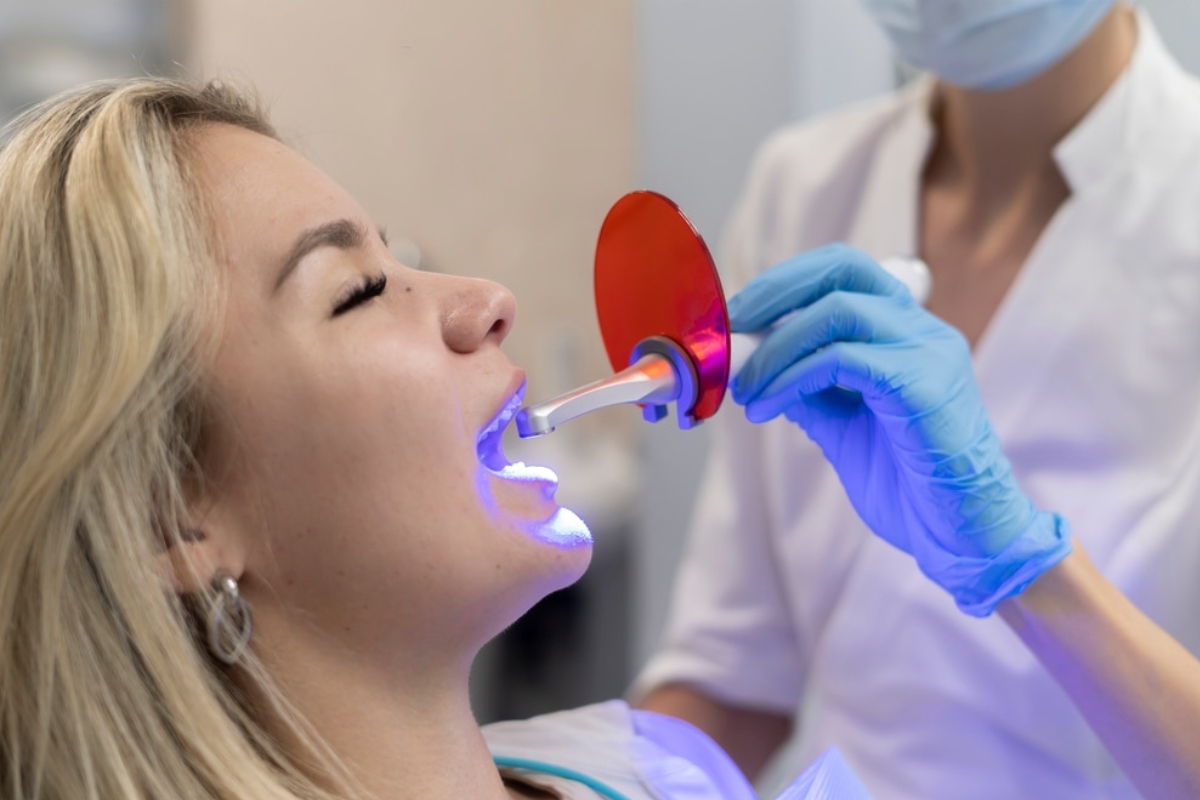
In-office whitening uses a higher-concentration bleaching agent applied carefully by a dental professional combined with protective measures for your gum tissue. Results can be several shades lighter in a single session. Custom take-home trays made from impressions of your teeth allow for gradual, controlled whitening at home with professional-grade gel. Neither option is a miracle, but both are significantly more effective and safer than anything available over the counter.
Scottsdale residents have the advantage of quick access to cosmetic dental offices equipped with the latest whitening technology. Rather than ordering kits online and guessing at concentrations, a conversation with your dentist gets you to the right solution faster.
I have been long time patient. As always Dr Schwartz, Raquel, all staff caring, friendly and responsive. – B Effendi
Want added confidence before your visit? Read our Google reviews.
Ready to achieve a noticeably brighter, more polished appearance without risking damage from over-the-counter products or DIY treatments? Pinnacle Peak Dentistry offers professional teeth whitening solutions customized to your oral health, tooth sensitivity, and cosmetic goals. Whether you’re preparing for an event, improving first impressions, or simply updating your appearance, our team can help you choose the safest and most effective treatment option.
Schedule your whitening consultation today with Pinnacle Peak Dentistry and take the next step toward a cleaner, more confident look.
FAQs
How long does professional teeth whitening last?
Most patients see results that last six months to two years, depending on diet and oral hygiene habits. Limiting coffee, tea, red wine, and tobacco and occasional touch-up treatments extends results significantly.
Is teeth whitening safe for sensitive teeth?
Yes, with modifications. Patients with sensitivity can benefit from lower-concentration gels, shorter application times, and desensitizing treatments applied before or during the process. A professional whitening provider will adapt the approach to your comfort level.
Does whitening toothpaste actually work?
Whitening toothpastes remove surface staining through mild abrasives, which can improve brightness slightly. They cannot penetrate the enamel to change the underlying tooth color the way peroxide-based treatments do. They’re a useful maintenance tool but not a replacement for whitening treatment.
At what age is teeth whitening appropriate?
Professional whitening is generally recommended for patients 16 and older, once permanent teeth are fully developed. For younger teens, dentists typically suggest waiting until the teeth and gums have matured enough to handle treatment safely.
Can I whiten my teeth if I have a crown on a front tooth?
You can whiten your natural teeth, but the crown will not change color. If a front crown is visible when you smile, your dentist should evaluate whether a new crown or shade adjustment is needed after whitening to keep everything looking consistent.