
Michael Schwartz, DMD

Different Dental Services Explained: Find the Right Treatment for You

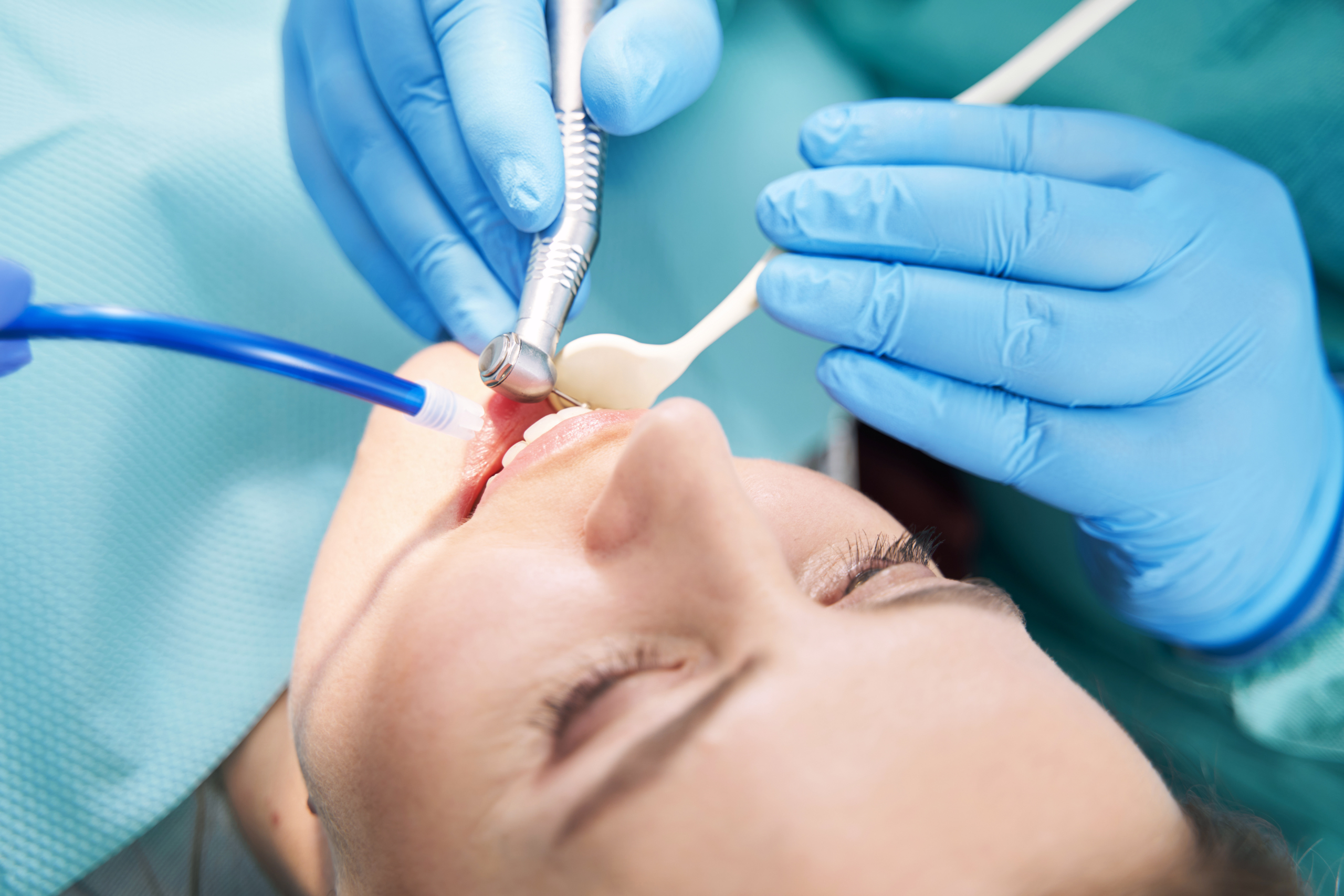
Choosing the right dental care can feel overwhelming, especially when you’re unsure which type of treatment you actually need. Whether you’re dealing with tooth pain, wanting a brighter smile, or looking to maintain long-term oral health, understanding the major categories of dental services can help you make informed decisions. If you’re looking for guidance from a trusted Scottsdale dentist, this guide will walk you through the four main types of dental care and when each one is recommended.
General Dentistry: Your Foundation for Oral Health
General dentistry focuses on maintaining and protecting your oral health through preventive visits, urgent care, and essential restorative support. A Scottsdale AZ dentist offering general dentistry typically provides:
Routine Dental Care
Routine visits help prevent issues and detect concerns early. Cleanings, exams, and evaluations ensure your smile stays healthy.
Emergency Dentist Services
Severe tooth pain, broken teeth, or infections require immediate attention. A skilled Scottsdale dentist can provide fast relief and treatment.
Dentures & Partials
For patients missing teeth, dentures and partials offer affordable, dependable tooth-replacement solutions.
Cosmetic Dentistry: Enhancing the Appearance of Your Smile
Cosmetic dentistry improves the aesthetics of your teeth and smile. Popular cosmetic services include:
Veneers
Thin shells that correct discoloration, gaps, and uneven teeth.
Cosmetic Bonding
A quick treatment using tooth-colored resin to fix chips, gaps, and shape issues.
Teeth Whitening
Professional whitening performed by a dentist in Scottsdale AZ for brighter, longer-lasting results.
Restorative Dentistry: Repairing and Rebuilding Teeth
Restorative dentistry focuses on repairing damaged teeth and restoring proper function. A knowledgeable Scottsdale dentist may recommend one of the following:
Crowns
Custom-made caps placed over weakened or damaged teeth for protection and strength.
Fillings
Tooth-colored fillings repair cavities and preserve natural tooth structure.
Tooth Extraction
Removal of severely damaged or infected teeth to protect overall oral health.
Restorative care ensures long-lasting comfort, improved function, and better dental stability.
Specialty Dentistry: Advanced Care for Complex Needs
Specialty dentistry addresses conditions requiring advanced techniques or specialized equipment. A Scottsdale dentist may recommend one of the following specialty services:
Laser Therapy
Laser therapy provides advanced treatment for gum disease, inflammation, and soft-tissue procedures with precision and minimal discomfort. It promotes faster healing and reduces the need for traditional surgical tools.
Night Guards
Night guards protect the teeth from grinding and clenching (bruxism), which can cause headaches, worn enamel, jaw pain, and TMJ discomfort. Custom-made night guards offer a comfortable, effective solution for nighttime protection.
Traumatic Dental Injuries
Specialty care is essential for treating dental injuries caused by accidents, sports impacts, or sudden trauma. This includes addressing fractured teeth, knocked-out teeth, or soft-tissue damage. Prompt evaluation by a dentist in Scottsdale AZ improves the chances of saving or restoring the damaged tooth.
These specialty services ensure patients receive targeted, high-quality care for complex or urgent dental concerns.
Find the Right Dental Care for Your Needs
Understanding the differences between general, cosmetic, restorative, and specialty dentistry makes it easier to choose the right treatment for your oral health. Whether you need preventive visits, cosmetic enhancements, restorative support, or specialty care, a trusted Scottsdale AZ dentist can guide you toward the best solution. For personalized, high-quality care, Pinnacle Peak Dentistry is a top choice for individuals and families. To protect your smile and improve your oral health, we encourage you to request an appointment today.
FAQs
1. What are the main types of dental services?
The main types of dental services include general dentistry, cosmetic dentistry, restorative dentistry, and specialty dentistry. Each category focuses on different aspects of oral health and smile enhancement.
2. What does general dentistry include?
General dentistry includes routine dental care, emergency dental services, and dentures or partials for patients who need tooth replacement options.
3. How often should I schedule routine dental care?
Routine dental care is typically recommended every six months to prevent issues, remove plaque buildup, and detect concerns early.
4. What cosmetic dental treatments can improve my smile?
Common cosmetic treatments include veneers, cosmetic bonding, and professional teeth whitening. These services enhance tooth shape, color, and overall appearance.
5. Are veneers a permanent cosmetic treatment?
Veneers are long-lasting and durable, but they are considered a permanent cosmetic solution because a small amount of enamel is removed to place them.
6. When is a dental crown needed?
A dental crown is recommended when a tooth is weakened, cracked, or severely decayed. It restores strength, function, and appearance.
7. What is the purpose of a dental filling?
A dental filling is used to treat cavities by removing decayed tooth material and restoring the tooth with a durable, tooth-colored filling.
8. When is tooth extraction necessary?
Tooth extraction may be necessary when a tooth is too damaged, infected, or broken to be repaired with fillings or crowns.
9. How can laser therapy help with dental issues?
Laser therapy is used to treat gum disease, inflammation, and soft-tissue concerns. It provides precision, reduced discomfort, and faster healing compared to traditional methods.
10. What problems can night guards help prevent?
Night guards help prevent damage caused by teeth grinding or clenching (bruxism). They protect enamel, reduce jaw pain, and minimize the risk of TMJ-related issues.