
Michael Schwartz, DMD

What Problems Can Dentures Cause and How Are They Fixed?

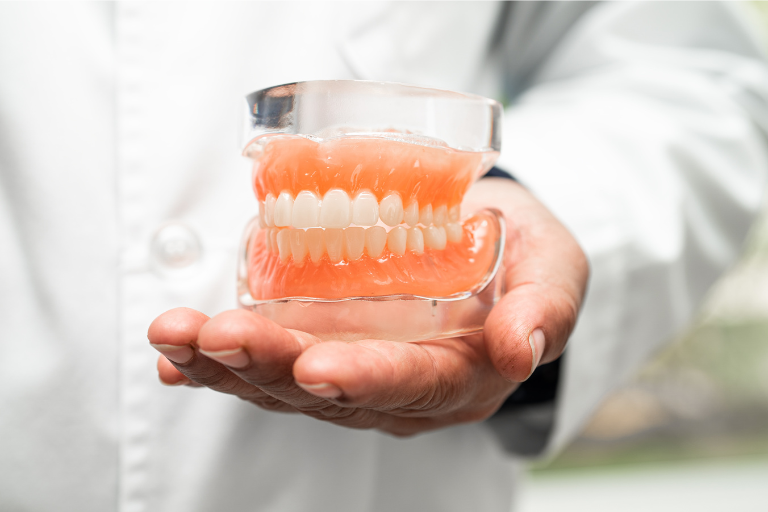
Dentures can be life-changing. They restore your smile, improve chewing, and boost confidence. But like any dental solution, dentures aren’t completely free of challenges especially if they’re not properly fitted or maintained.
If you wear dentures (or are considering them), understanding potential problems and more importantly, how they’re fixed — can help you enjoy a more comfortable, confident smile for years to come.
Let’s break it down in a way that’s practical, reassuring, and easy to follow.
Common Denture Problems (And Why They Happen)
Dentures interact closely with your gums, jawbone, and daily habits. Over time, changes in your mouth can lead to discomfort or performance issues.
Here are some of the most common denture-related problems people experience:
1. Sore Gums and Irritation
What it feels like:
Redness, pressure points, or painful spots along the gums.
Why it happens:
- New dentures need an adjustment period
- Uneven pressure or poor fit
- Gums changing shape over time
How it’s fixed:
- Professional adjustments to relieve pressure points
- Temporary liners to cushion the gums
- Follow-up visits to refine the fit
If soreness lasts more than a couple of weeks, it’s time to see a professional rather than “toughing it out.”
2. Dentures Slipping or Feeling Loose
What it feels like:
Dentures moving while talking, eating, or laughing.
Why it happens:
- Natural jawbone shrinkage after tooth loss
- Wear and tear on the denture base
- Changes in gum tissue
How it’s fixed:
- Denture relining to improve stability
- Denture rebasing or replacement
- Exploring implant-supported options for long-term security
Loose dentures are one of the most common reasons patients seek help from a dentist in Scottsdale AZ, especially among long-term denture wearers.
3. Difficulty Eating Certain Foods
What it feels like:
Trouble chewing steak, apples, or crunchy foods.
Why it happens:
- Weak bite force with traditional dentures
- Poor balance or alignment
- Avoidance of practice chewing
How it’s fixed:
- Bite adjustments for better balance
- Gradual food reintroduction strategies
- Personalized dietary guidance
Many patients in Scottsdale enjoy vibrant dining scenes from local cafés to family cookouts and dentures shouldn’t keep you from enjoying them.
4. Speech Changes or Clicking Sounds
What it feels like:
Slurred words, lisping, or clicking when speaking.
Why it happens:
- Tongue and muscles adjusting to dentures
- Improper denture positioning
How it’s fixed:
- Minor adjustments to shape or alignment
- Speech exercises and patience during adaptation
Most speech issues resolve within a few weeks with the right support.
5. Denture Stains, Odor, or Buildup
What it feels like:
Unpleasant taste or smell, visible discoloration.
Why it happens:
- Inadequate cleaning routine
- Plaque and bacteria buildup
- Wearing dentures overnight
How it’s fixed:
- Professional denture cleaning
- Proper at-home care education
- Replacement if material is worn or porous
Dry Scottsdale weather can also contribute to oral dryness, making cleaning even more important.
6. Jaw Pain or Headaches
What it feels like:
Tension in the jaw, facial soreness, or headaches.
Why it happens:
- Incorrect bite alignment
- Uneven pressure distribution
How it’s fixed:
- Bite evaluation and correction
- Denture adjustments to restore balance
Ignoring jaw pain can lead to long-term discomfort—early care makes a big difference.
When to See a Professional
You should schedule a dental visit if you notice:
- Persistent discomfort or sores
- Dentures rocking or slipping
- Changes in your bite or facial structure
- Difficulty eating foods you once enjoyed
Seeing a qualified dentist in Scottsdale AZ ensures your dentures are evaluated in the context of your overall oral health, not just the appliance itself.
Tips to Prevent Denture Problems
A few proactive habits can save you discomfort later:
- ✔ Clean dentures daily using non-abrasive products
- ✔ Remove dentures at night to let gums rest
- ✔ Store them properly to prevent warping
- ✔ Schedule regular dental checkups—even with dentures
- ✔ Never adjust dentures yourself
Local Care Makes a Difference
Living in Scottsdale means staying active, social, and outdoors dentures should support that lifestyle, not restrict it. Personalized care from a trusted dentist in Scottsdale AZ ensures your dentures fit your life, your comfort, and your long-term oral health needs.
Final Thoughts
Dentures should improve your quality of life—not limit it. Most denture problems are common, manageable, and fixable with timely professional care. Ignoring discomfort only makes issues harder to resolve.
If your dentures don’t feel quite right, help is closer than you think.
Pinnacle Peak Dentistry is proud to provide compassionate, personalized denture care for the Scottsdale community. Whether you need adjustments, repairs, or a full evaluation, our team is here to help you smile comfortably again.
Schedule your appointment today and take the first step toward stress-free dentures.
FAQs
How Long Does It Take To Adjust To New Dentures?
Most people adjust within 2–4 weeks. Minor soreness is normal early on, but ongoing pain is not.
Do Dentures Need Regular Checkups?
Absolutely. Even without natural teeth, routine exams help maintain gum health and denture performance.
Are Denture Repairs Better Than Replacements?
It depends on the issue. Minor cracks or fit problems can often be repaired, while extensive wear may require replacement.