Michael Schwartz, DMD

What to Expect After All-On-4: Living with Your Fixed Implant Prosthesis

Waking up with a full, functional smile after years of struggling with missing teeth or failing dentures can feel life-changing. But that first moment of excitement is often followed by a practical question: now what?
If you’re considering or have recently completed All-On-4 treatment, you’re probably wondering how recovery works, what your new normal will look like, and how to protect your investment for years to come. The good news is that most patients adjust smoothly, especially when they know what to expect at each stage.
This guide walks you through the healing process, daily life with your new prosthesis, and long-term care tips so you can feel confident and prepared every step of the way.
What Is All-On-4, Exactly?
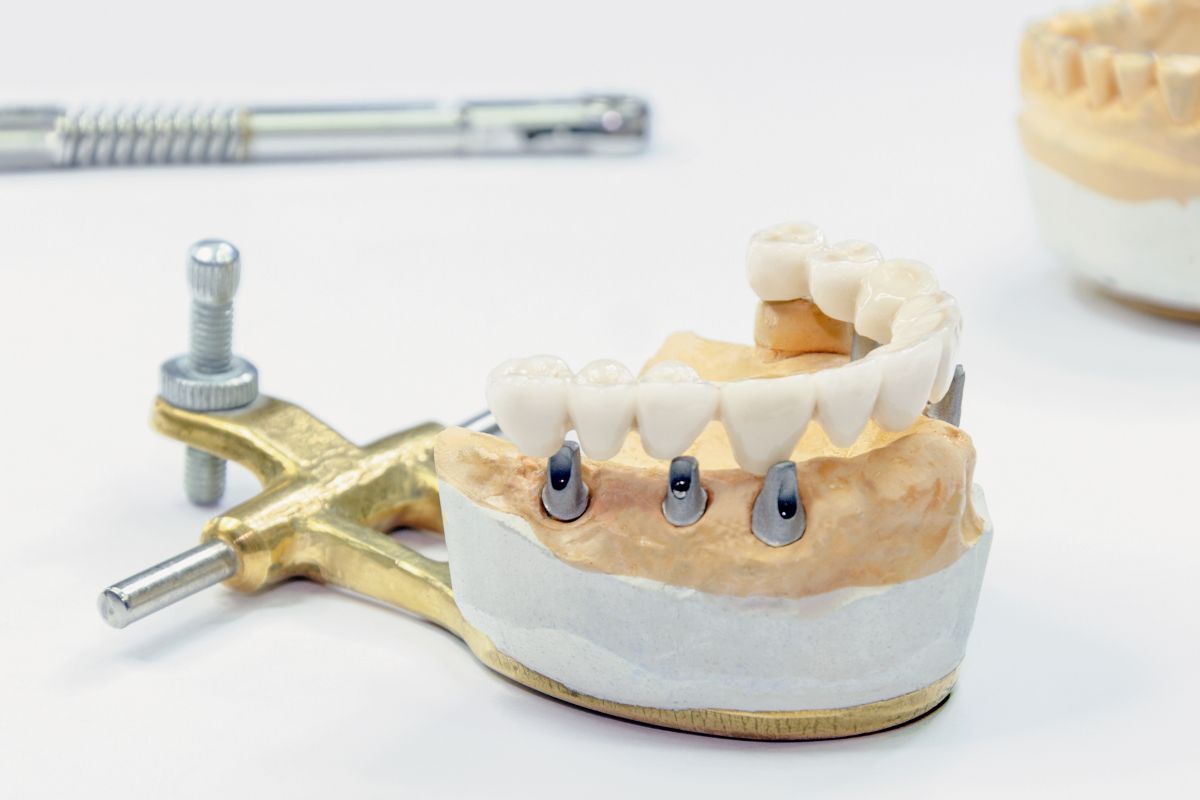
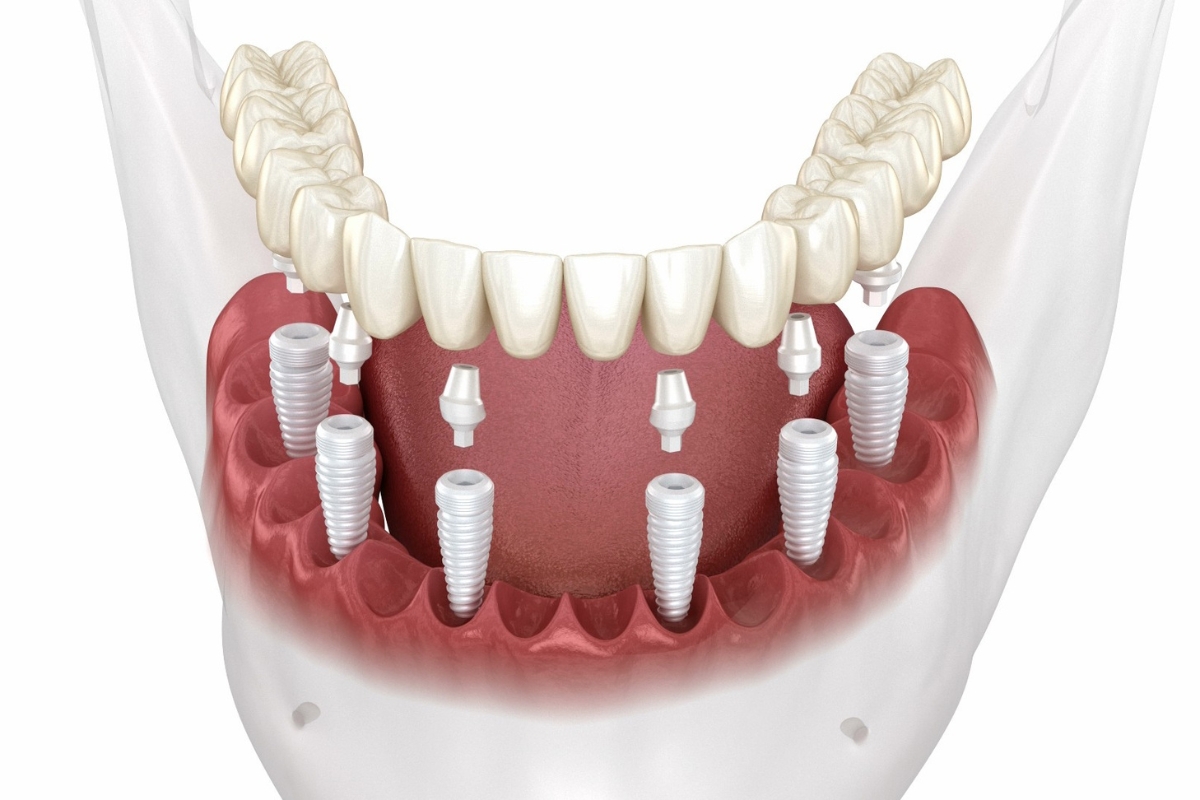
All-On-4 is an implant-supported tooth replacement solution that uses just four strategically placed implants to support a full arch of fixed replacement teeth. Unlike traditional dentures, this prosthesis doesn’t come out at night; it’s secured directly to your jawbone.
This approach is popular because it typically requires less bone grafting than other implant methods and can often be completed in fewer appointments. That said, understanding the recovery timeline is key to a smooth experience.
The First 1–2 Weeks: Initial Healing
The days immediately following surgery are the most delicate part of the process. Your body is beginning to heal, and the implants are starting to bond with your jawbone.
During this period, patients commonly experience:
- Mild to moderate swelling and bruising around the mouth and cheeks
- Some tenderness or soreness at the implant sites
- Temporary numbness or tingling in the lips or chin
- A need to stick to soft or liquid foods
Most discomfort can be managed with prescribed or over-the-counter pain medication, and swelling usually peaks around day two or three before gradually subsiding.
Tips for a Smoother Recovery
- Stick closely to a soft-food diet (think soups, mashed vegetables, smoothies, and scrambled eggs)
- Use cold compresses in the first 48 hours to reduce swelling
- Avoid smoking, alcohol, and using straws, which can interfere with healing
- Take prescribed antibiotics or anti-inflammatories exactly as directed
Weeks 3–6: Settling Into Your New Smile
By the third week, most patients notice significant improvement. Swelling continues to fade, and everyday activities like talking and eating become more comfortable.
You may still notice mild sensitivity, particularly around the gum tissue near the implants. This is a normal part of the healing process and generally continues to improve week by week.
This is also when many patients start reintroducing slightly firmer foods, always guided by their dentist’s recommendations rather than a fixed timeline.
3–6 Months: Osseointegration and Long-Term Stability
The real magic of All-On-4 happens beneath the surface. Over the following months, your implants undergo a process called osseointegration, where the titanium posts fuse securely with your jawbone.
This process is what gives the prosthesis its remarkable stability, allowing it to function much like natural teeth. Full integration typically takes three to six months, though every patient’s timeline varies slightly based on bone density and overall health.
Living with Your Fixed Prosthesis Day-to-Day
Once healing is complete, life with an All-On-4 prosthesis is designed to feel as close to natural teeth as possible. Still, a few adjustments help maintain long-term success.
Eating and Speaking
Most patients can eventually return to a fairly normal diet, though very hard or sticky foods (like ice or caramel) are best enjoyed in moderation to protect the prosthesis. Speech typically normalizes within a few weeks as your tongue and lips adjust to the new shape of your smile.
Daily Oral Hygiene
Because the prosthesis is fixed in place, cleaning routines differ slightly from natural teeth or removable dentures:
- Brush at least twice daily with a soft-bristle or electric toothbrush
- Use a water flosser or specialized floss threaders to clean under the prosthesis
- Rinse with an antimicrobial mouthwash as recommended
- Attend regular dental checkups for professional cleanings
Consistent hygiene isn’t just about a fresh smile; it’s essential for protecting the implants from gum inflammation and long-term complications.
Common Adjustments Patients Notice
Every mouth adapts a little differently, but many patients report similar experiences during the transition:
- A slight “fullness” feeling in the mouth at first, which fades with time
- Minor speech changes with certain sounds (like “s” or “th”) that improve with practice
- Increased confidence in eating, laughing, and socializing without worrying about slipping dentures
These adjustments are typically temporary and part of the normal learning curve with any new prosthesis.
Long-Term Care: Protecting Your Investment
All-On-4 is built for durability, but like any dental work, it benefits from routine maintenance. Most dentists recommend:
- Biannual checkups to monitor implant health and prosthesis fit
- Periodic professional cleanings to prevent plaque buildup in hard-to-reach areas
- Prompt attention to any looseness, discomfort, or changes in bite alignment
With proper care, many patients enjoy their All-On-4 prosthesis for well over a decade, making it a reliable long-term solution for full-arch tooth replacement.
Common Patient Questions
How long does the entire healing process take?
Initial recovery generally takes a few weeks, while full bone integration can take three to six months. Most patients return to normal routines well before healing is fully complete.
Will I be without teeth during recovery?
No, one of the benefits of All-On-4 is that a temporary fixed prosthesis is typically placed the same day as surgery, so you’re not left without teeth during healing.
Can I still get cavities with All-On-4?
The prosthetic teeth themselves can’t decay, but the surrounding gum tissue and implants still need care to prevent inflammation or infection, so daily hygiene remains important.
Is the fixed prosthesis noticeable or does it look natural?
Modern All-On-4 prostheses are custom-designed to match your facial structure and desired aesthetic, so they typically look natural and blend seamlessly with your smile.
What happens if my prosthesis feels loose?
Slight looseness should never be ignored. Contact your dental provider promptly, as this could indicate an issue that’s easier to address early on.
Can I eat normally right away?
Not immediately. Most patients start with soft foods and gradually reintroduce firmer textures over several weeks, following their dentist’s specific guidance.
Ready to Learn More About All-On-4?
Every patient’s healing journey looks a little different, but with the right guidance and care, All-On-4 can offer a stable, confident, and long-lasting smile. If you’re considering this treatment or have questions about your recovery, our team is here to help.
Schedule your appointment today with Pinnacle Peak Dentistry – Scottsdale, located in Scottsdale, AZ 85255, and take the next step toward a smile that fits your life.