
Michael Schwartz, DMD

Why Your Gums Bleed When You Brush (And When to Worry)

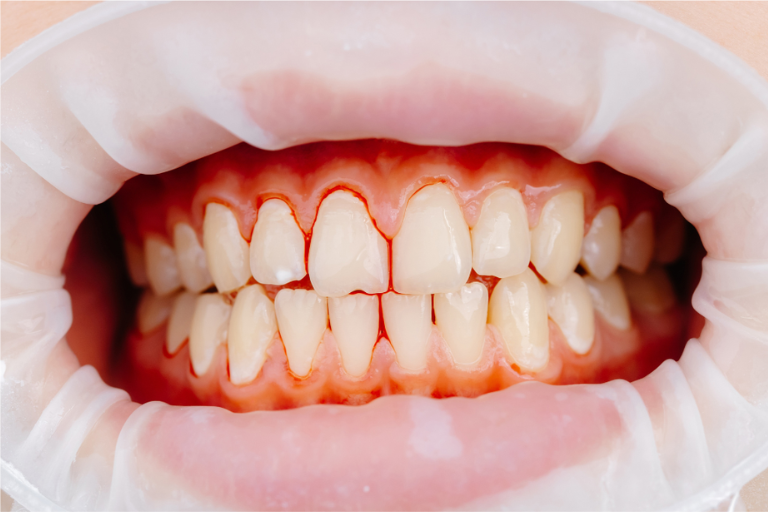
You’re brushing your teeth like you always do, you spit, and there it is pink in the sink. Gums bleed can be unsettling, especially when you’re not sure if it’s something minor or a sign of a bigger problem. While occasional bleeding may be caused by brushing too hard, frequent gum bleeding can be a warning sign of gum disease or another underlying oral health issue.
The good news? Bleeding gums are common, and in many cases, they’re completely reversible especially when caught early. The not-so-good news? They’re also your body’s way of waving a red flag that shouldn’t be ignored. Paying attention to changes in your gums and scheduling a timely visit to the dentist in Scottsdale can make all the difference before minor irritation turns into a more serious issue. Let’s break down why gums bleed, what’s normal, what’s not, and when it’s time to take action.
Take Control of Your Gum Health

Thanks for taking the time to learn more about why gums bleed when you brush and what those signs may be telling you about your oral health. At Pinnacle Peak Dentistry, Dr. Michael Schwartz and the team are committed to helping patients understand the early warning signs of gum issues and how proper care can prevent them from becoming more serious.
Whether you’ve noticed occasional bleeding or ongoing gum sensitivity, understanding the cause is an important step toward protecting your teeth and gums long term. From daily hygiene habits to professional cleanings, guidance from an experienced dental professional can make a meaningful difference.
Every patient receives thoughtful, individualized care focused on comfort, education, and long-term oral wellness because healthy gums play a vital role in overall health.
Common Reasons Your Gums Bleed When Brushing
1. Plaque Buildup and Gingivitis
The most common culprit is plaque, a sticky film of bacteria that forms on your teeth every day. When plaque isn’t removed thoroughly, it irritates the gumline and leads to gingivitis, the earliest stage of gum disease.
Signs include:
- Bleeding while brushing or flossing
- Red or swollen gums
- Mild tenderness
Gingivitis is reversible, but only if it’s addressed early with proper oral care and professional cleanings.
2. Brushing Too Hard or Using the Wrong Toothbrush
More pressure doesn’t mean cleaner teeth. In fact, aggressive brushing or using a hard-bristled toothbrush can damage delicate gum tissue, causing irritation and bleeding.
A soft-bristle toothbrush and gentle, circular motions are all you need to keep your teeth clean without harming your gums.
3. Inconsistent Flossing
If you’ve recently started flossing again after a long break, some bleeding can be normal at first. Gums that aren’t used to flossing tend to be inflamed.
Stick with it. Within a week or two of daily flossing, healthy gums usually stop bleeding.
4. Hormonal Changes
Hormonal fluctuations especially during pregnancy, menopause, or certain medical treatments can make gums more sensitive and prone to bleeding. This doesn’t mean you should brush less; it means your gums need extra care.
5. Medical Conditions or Medications
Some conditions like diabetes, vitamin deficiencies (especially vitamin C or K), and blood-thinning medications can also increase gum bleeding. This is why routine dental visits are important—they often reveal issues beyond your mouth.
When Bleeding Gums Become a Bigger Concern
Occasional bleeding can happen. Persistent bleeding is different. If your gums bleed regularly for more than a week, even with gentle brushing, it may signal periodontitis—advanced gum disease that can lead to gum recession, bone loss, and even tooth loss if left untreated.
This is where seeing a trusted dentist in Scottsdale AZ becomes important. Gum disease doesn’t usually cause pain in its early stages, which means many people don’t realize there’s a problem until it’s more advanced.
Why This Matters for Scottsdale Residents
Living in Scottsdale comes with its perks of sunshine, outdoor activities, and an active lifestyle. But the dry desert climate can also contribute to dehydration, dry mouth, and increased plaque buildup, all of which can affect gum health.
Many local residents also enjoy coffee, wine, and outdoor dining year-round habits that, while enjoyable, can increase plaque formation when not balanced with good oral hygiene.
Regular cleanings and exams with a local dentist in Scottsdale AZ help keep these lifestyle factors from turning into long-term dental problems.
How to Stop Your Gums from Bleeding
Here are dentist-approved steps you can take today:
- Brush twice daily with a soft-bristled toothbrush
- Use gentle pressure and avoid scrubbing motions
- Floss once a day, even if your gums bleed at first
- Use an antimicrobial or fluoride mouthwash
- Stay hydrated especially important in Arizona
- Schedule regular professional dental cleanings
Consistency is key. Healthy gums don’t bleed.
Dentist and his team very professional and solved my issue. Given we’re snow-birds, thankful to now have established relationship with N Scottsdale dentist. We’ll definitely be back. Thank you. – L Henderson
Hear directly from our patients explore our Google reviews for honest feedback.
When It’s Time to Book an Appointment
If your gums bleed often, feel tender, or look swollen, it’s your body asking for help. Early care is simpler, more comfortable, and far more affordable than treating advanced gum disease later.
At Pinnacle Peak Dentistry – Scottsdale, we focus on prevention, education, and personalized care so small issues don’t turn into big ones. If you’re looking for a compassionate dentist in Scottsdale AZ who understands local lifestyles and dental needs, we’re here for you. Schedule your appointment today with Pinnacle Peak Dentistry and take the first step toward healthier gums and a healthier smile.
Common Ask
Is It Normal For Gums To Bleed Every Day?
No. Daily bleeding is not normal and should be evaluated by a dental professional.
Can Bleeding Gums Heal On Their Own?
Mild gingivitis can improve with good oral hygiene, but professional cleanings are often needed to fully resolve it.
Does Bleeding Mean I Should Stop Flossing?
Actually, no. Gentle daily flossing helps gums heal over time.
Can Gum Disease Affect My Overall Health?
Yes. Research links gum disease to heart disease, diabetes complications, and other systemic health issues.
How Often Should I Get My Gums Checked?
Most people should have their gums evaluated at least twice a year, or more often if gum disease is present.