Michael Schwartz, DMD

Your Teeth Change After 60—Here’s What Dentists Want You to Know


Your teeth change after 60—here’s what dentists want you to know in Scottsdale and why it matters for your long-term health. Aging brings real shifts in your oral health. Many of these changes happen gradually, so they’re easy to miss. Dr. Michael Schwartz at Pinnacle Peak Dentistry helps patients understand what’s normal—and what needs attention.
This isn’t about fear. It’s about being informed. Knowing what changes to expect helps you take the right steps before small issues become big ones. Here’s a straightforward look at what’s happening in your mouth after age 60—and what you can do about it.
How Aging Affects Your Teeth and Gums in Scottsdale
Teeth naturally wear down over decades of chewing. Enamel thins, making teeth more sensitive and prone to cracking. Gums may recede, exposing the softer root surfaces beneath. These surfaces are more vulnerable to decay than the crown of the tooth.
Root decay is a serious concern for patients over 60. It develops faster than cavity decay on enamel. Many patients don’t feel it until it’s advanced. Regular checkups catch it early when treatment is simpler.
Gum disease also becomes more common with age. Bone loss from untreated gum disease can loosen teeth over time. The good news is that consistent cleanings and monitoring make a significant difference. Prevention is always more effective than repair.
Dry Mouth, Medications, and What They Do to Your Teeth
Many adults over 60 take multiple medications daily. A large number of those medications cause dry mouth as a side effect. Saliva plays a critical role in protecting your teeth. Without enough of it, bacteria thrive and decay accelerates quickly.
Common medications that cause dry mouth include:
- Blood pressure medications
- Antidepressants and antianxiety drugs
- Antihistamines and allergy medications
- Diuretics and heart medications
- Bladder control medications
Dr. Schwartz recommends telling your dentist about every medication you take. That list helps create a care plan that accounts for dry mouth risk. Staying hydrated, using fluoride products, and scheduling more frequent cleanings can all help. Your dentist can also recommend dry mouth rinses that make a real difference.
Dental Implants and Restorative Options for Patients Over 60
Missing teeth are more common after 60—but they don’t have to be permanent. Dental Implants Scottsdale patients choose this option because implants function like natural teeth. They preserve jawbone density, which decreases when a tooth is lost. That bone loss can change the shape of your face over time.
Many patients wonder whether age disqualifies them from implants. In most cases, it does not. What matters is overall health and sufficient bone density. Dr. Schwartz evaluates each patient individually to determine the best path forward.
Benefits of dental implants for seniors include:
- Stable bite that doesn’t shift or slip
- No adhesives or overnight soaking required
- Easier chewing for better nutrition
- Improved speech compared to loose dentures
- Long-term jawbone preservation
For patients who aren’t implant candidates, modern dentures and partial dentures are more comfortable than ever. Implant-supported dentures offer a middle-ground option with added stability. Your care plan depends on your specific needs, not a one-size-fits-all approach.
Cosmetic and Preventive Care After 60—It’s Not Too Late
Some patients assume cosmetic dentistry isn’t worth pursuing after a certain age. That’s simply not true. Cosmetic Dentistry Scottsdale seniors request most often includes teeth whitening, veneers, and crowns. These treatments restore confidence and protect existing teeth at the same time.
Dental crowns are especially useful for aging teeth. They cover cracked or weakened teeth and prevent further damage. Veneers can address staining that builds up over decades. Professional whitening is safe and effective for most older patients.
Preventive care remains the foundation of everything. Teeth cleanings every six months—or more often if recommended—remove buildup that brushing can’t reach. X-rays help identify bone changes, hidden decay, and gum issues early. The goal is to keep your natural teeth healthy for as long as possible.
Tips for Protecting Your Oral Health After 60
Small daily habits make a big difference over time. These aren’t complicated changes—they’re consistent ones. Here are practical steps to support your oral health as you age:
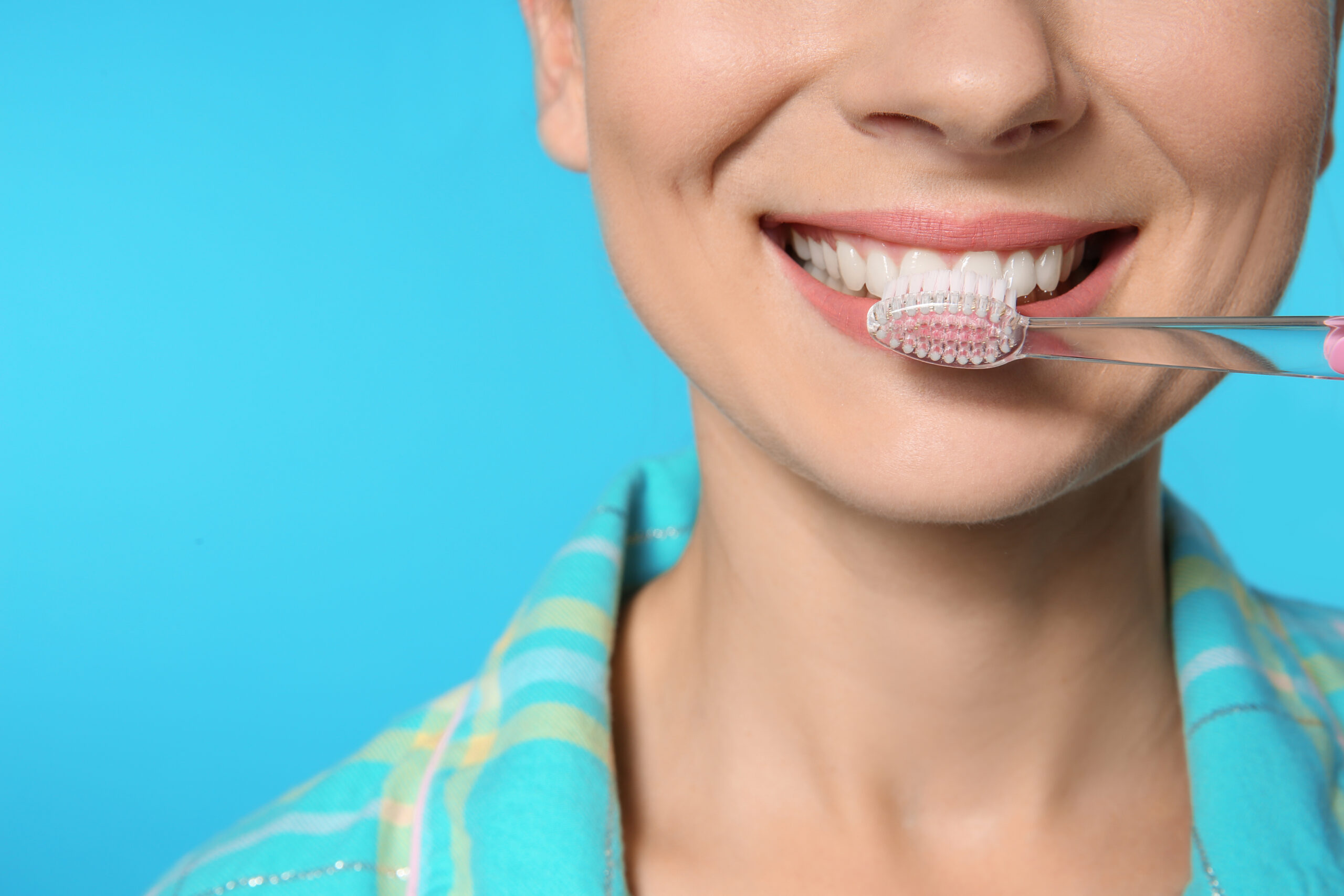
- Brush twice daily with a soft-bristled toothbrush
- Use fluoride toothpaste to strengthen enamel and roots
- Floss once a day to prevent gum disease between teeth
- Drink plenty of water throughout the day to combat dry mouth
- Avoid tobacco, which significantly increases gum disease and oral cancer risk
- Schedule dental visits at least twice per year
If you wear dentures, clean them daily and remove them at night. Ill-fitting dentures can cause sores and bone loss. Have your dentist check the fit regularly, as bone structure changes over time. A proper fit protects your oral tissue and overall comfort.
Conclusion: Take Control of Your Dental Health in Scottsdale
Your teeth change after 60—here’s what dentists want you to know in Scottsdale: aging doesn’t mean accepting tooth loss or pain as inevitable. With the right care, most patients keep their natural teeth well into their later years. Dr. Michael Schwartz and the team at Pinnacle Peak Dentistry are here to guide you through every stage of that journey.
Whether you’re managing dry mouth, exploring implants, or simply overdue for a cleaning, the right starting point is a conversation with your dentist. Early action protects your smile, your comfort, and your quality of life. Book Now to schedule your appointment with our team.
Frequently Asked Questions
How often should seniors visit the dentist?
Most adults over 60 benefit from dental visits every six months. However, patients with gum disease, dry mouth, or a history of frequent decay may need visits every three to four months. Your dentist will recommend a schedule based on your specific oral health needs.
Is dry mouth really that serious for my teeth?
Yes—dry mouth is one of the leading causes of rapid tooth decay in older adults. Saliva neutralizes acid and washes away bacteria. Without enough saliva, decay can progress quickly, especially on exposed root surfaces. Talk to your dentist about strategies to manage it effectively.
Can I get dental implants if I have bone loss?
It depends on the extent of bone loss. Some patients require a bone graft before implant placement. Dr. Schwartz evaluates each patient’s bone density and overall health before recommending a treatment plan. Many patients who initially think they can’t get implants turn out to be good candidates after a thorough evaluation.
Are veneers or crowns appropriate for older patients?
Absolutely. Both veneers and crowns serve important protective and cosmetic functions for older patients. Crowns are especially useful for cracked or heavily restored teeth. Veneers address surface staining and minor shape issues. Your dentist will help you choose the right option for your goals and tooth condition.
What can I do about gum recession at home?
Use a soft-bristled toothbrush and avoid aggressive scrubbing. Brush gently in small circular motions at the gumline. Floss daily to remove bacteria that cause gum inflammation. Your dentist may also recommend a prescription fluoride gel or special rinse to protect exposed root surfaces from decay.