Michael Schwartz, DMD

Missing Teeth? Discover If Dental Implants or All-on-4 Are Right for You

Losing a tooth or several changes more than your smile. It can affect how you chew, how you speak, and even how confident you feel in everyday conversations. The good news? Modern dentistry offers reliable, natural-looking solutions. Dental implants and All-on-4 are two of the most popular options for replacing missing teeth, but figuring out which one fits your situation can feel overwhelming.
This guide breaks down both options in plain language, so you can walk into your next dental visit informed and ready to ask the right questions.
Why Missing Teeth Are More Than a Cosmetic Issue
It’s easy to think of a missing tooth as just a gap in your smile. In reality, it can lead to bigger problems over time.
- Shifting of nearby teeth, which can throw off your bite
- Bone loss in the jaw where the tooth used to be
- Difficulty chewing certain foods comfortably
- Changes in facial structure over the years
- Lowered self-confidence in social or professional settings
Addressing tooth loss early rather than waiting usually leads to simpler treatment and better long-term results.
What Are Dental Implants?
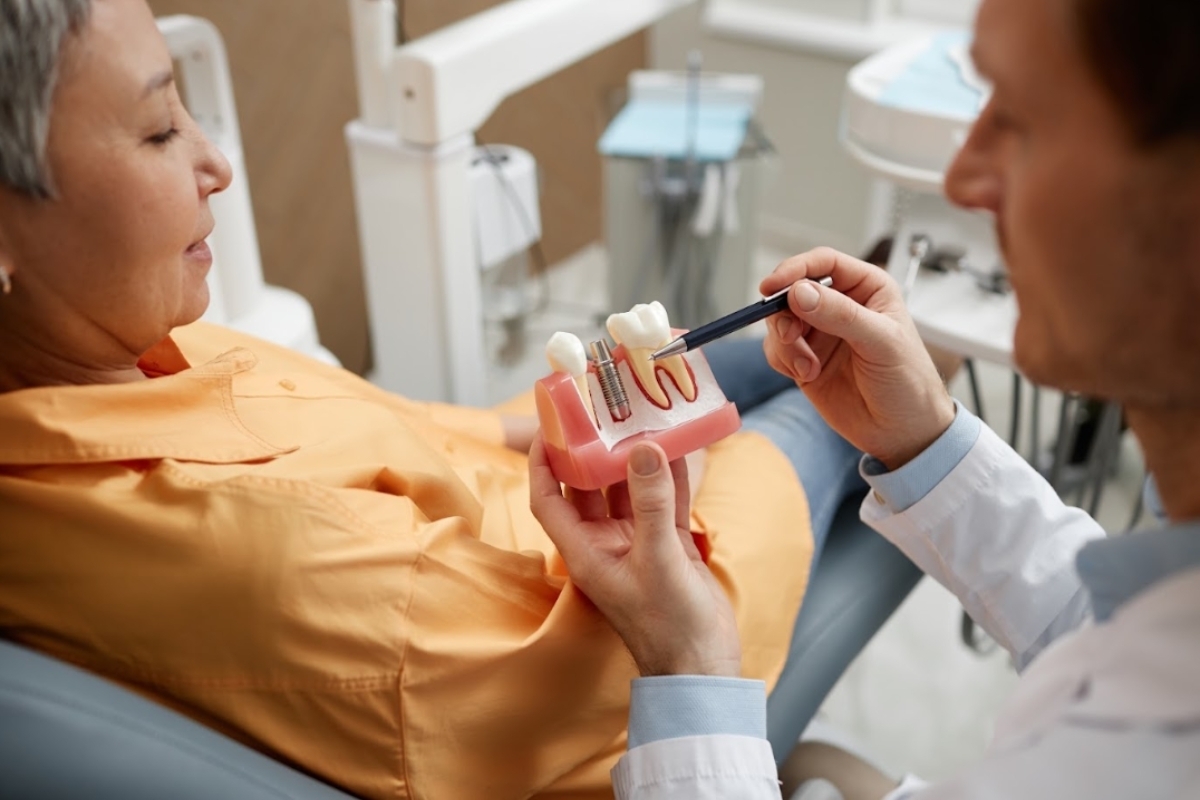
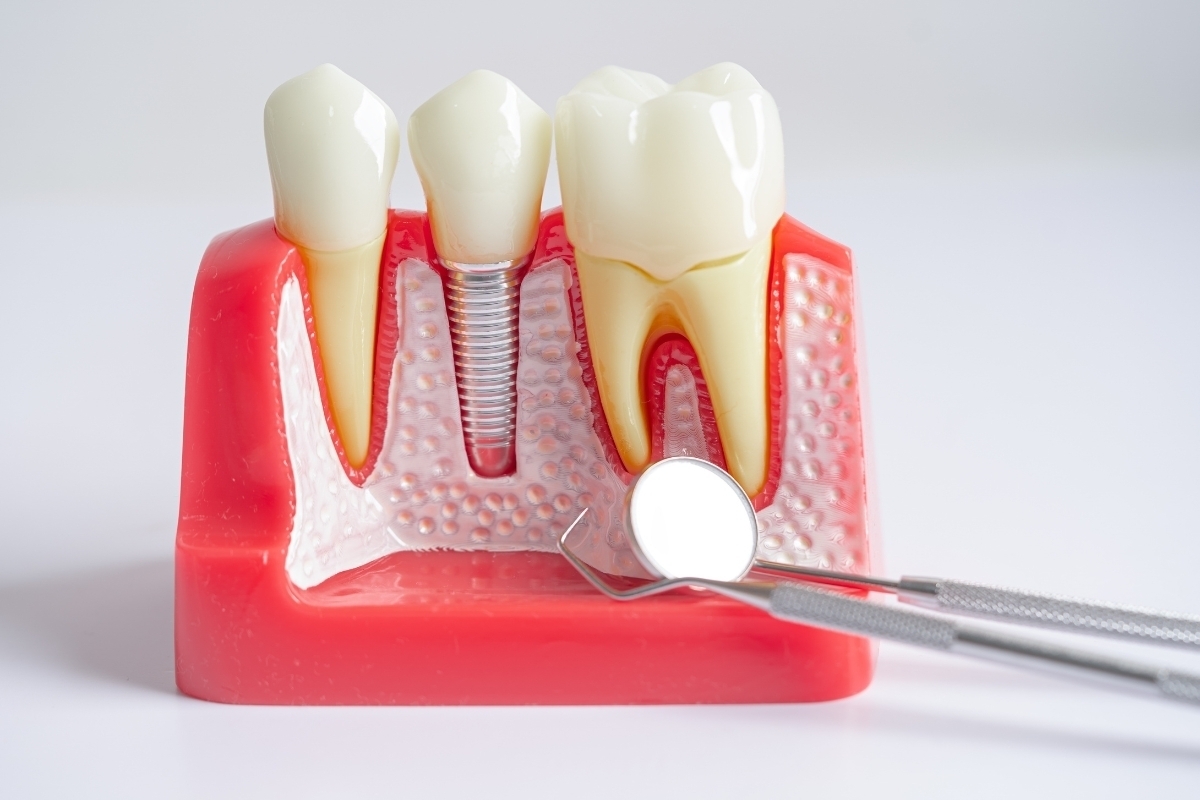
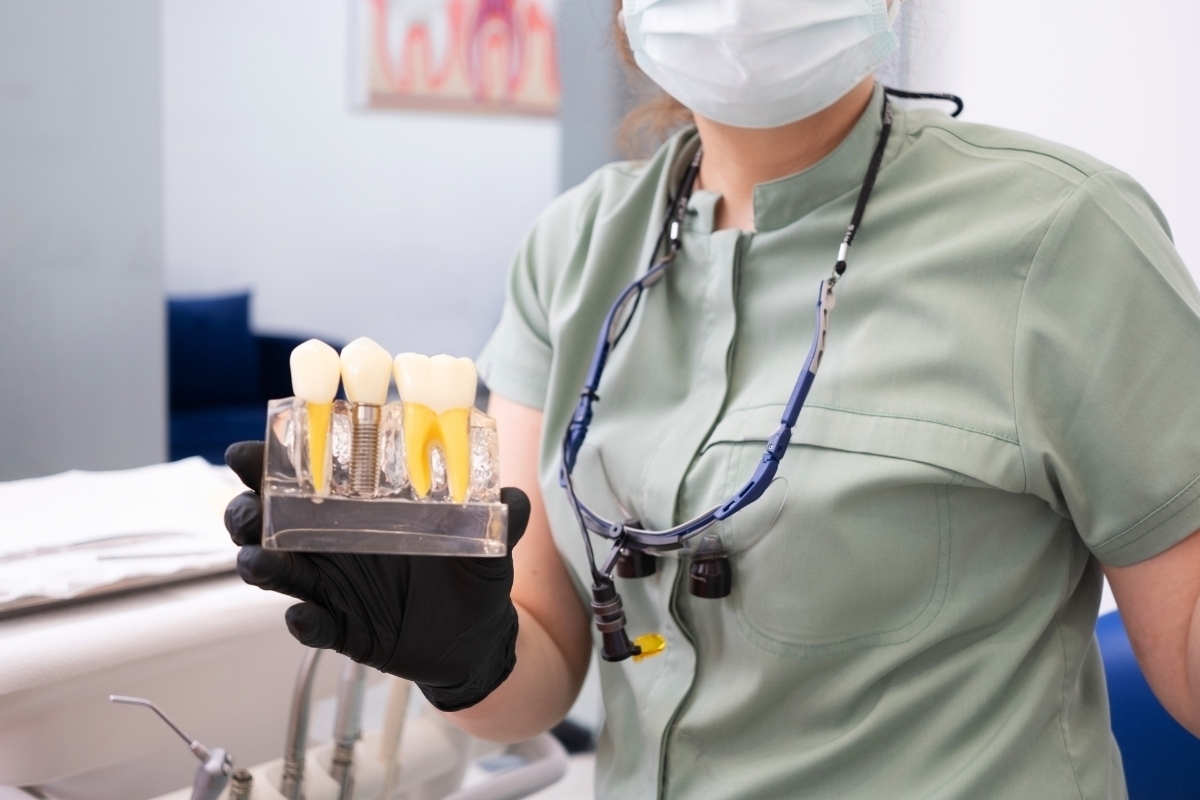
Dental implants are small titanium posts that are placed into the jawbone, acting as artificial tooth roots. Once healed, a custom-made crown is attached on top, giving you a replacement tooth that looks and functions like a natural one.
How They Work
The process typically happens in stages:
- The implant post is placed into the jawbone
- A healing period allows the bone to fuse with the implant (a process called osseointegration)
- An abutment and custom crown are attached once healing is complete
Because the implant fuses directly with your jawbone, it offers a level of stability that few other tooth-replacement options can match.
Who Are Dental Implants Best For?
Single-tooth implants are often ideal for patients who:
- Are missing one or a few teeth, not a full arch
- Have enough healthy jawbone to support the implant
- Want a permanent, low-maintenance replacement
- Don’t want to alter neighboring healthy teeth (unlike a bridge)
What Is All-on-4?
All-on-4 is a full-arch tooth replacement solution designed for patients missing most or all of their teeth in the upper or lower jaw. Instead of placing a single implant for every missing tooth, four strategically positioned implants support an entire arch of replacement teeth.
Why “Four” Is the Magic Number
The angled placement of the implants maximizes contact with available bone, which often means patients can avoid bone grafting a common requirement in traditional implant treatment. This makes All-on-4 a practical option for people who’ve been told in the past that they weren’t candidates for implants due to bone loss.
Who Is All-on-4 Best For?
This treatment tends to be a strong fit for patients who:
- Are missing most or all teeth in one or both arches
- Currently wear a full denture and want more stability
- Have experienced significant bone loss over time
- Want a fixed (non-removable) solution rather than a traditional denture
Dental Implants vs. All-on-4: Key Differences
While both solutions rely on implant technology, they’re designed for different situations. Here’s a simple side-by-side comparison:
| Key Difference | Traditional Dental Implants | All-on-4® Implants |
|---|---|---|
| Scope of Treatment | Replace individual missing teeth | Replace most or all teeth in an entire arch |
| Number of Implants | Typically one implant per missing tooth | Typically four implants support one full arch |
| Bone Requirements | Requires adequate bone to support each implant | Can often be used when available bone is reduced, depending on individual anatomy |
| Treatment Timeline | Treatment may take several months, depending on healing and restoration | In suitable cases, a temporary fixed arch may be placed on the day of surgery |
| Best Suited For | People missing one, several, or multiple teeth | People with extensive or complete tooth loss in one arch |
| Final Restoration | Individual crowns, bridges, or other restorations | A full-arch fixed prosthesis supported by implants |
Neither option is universally “better” the right choice depends on how many teeth you’re missing, your jawbone health, and your personal goals.
Benefits of Choosing Implant-Based Solutions
Whether you go with traditional dental implants or All-on-4, both offer advantages over older solutions like removable dentures or bridges:
- Improved chewing ability and speech clarity
- Long-term durability with proper care
- A more natural look and feel than removable options
- Helps preserve jawbone health by stimulating the bone, similar to natural tooth roots
- No need to remove them at night like traditional dentures
What to Expect During a Consultation
Every mouth is different, which is why an in-person evaluation matters so much. During a consultation, your dentist will typically:
- Take digital X-rays or a 3D scan to assess bone density
- Review your medical and dental history
- Discuss how many teeth need replacing
- Walk through both dental implants and All-on-4 as options, if applicable
- Provide a personalized treatment timeline and cost estimate
This step is where a lot of patients feel real relief finally getting clear, honest answers about what will actually work for their mouth.
Common Patient Questions
How long do dental implants typically last?
With good oral hygiene and regular checkups, implants can last many years often decades. The crown on top may eventually need replacement, but the implant post itself is built for long-term use.
Is getting dental implants painful?
Most patients are surprised by how manageable the procedure is. It’s done under local anesthesia (or sedation, if preferred), and any post-procedure discomfort is usually mild and manageable with over-the-counter medication.
Am I too old to get implants or All-on-4?
Age alone isn’t a disqualifying factor. What matters more is overall health and bone density, both of which your dentist will evaluate during your consultation.
What if I don’t have enough jawbone for implants?
This is exactly why All-on-4 exists its angled implant placement often works around bone loss that would otherwise require grafting for traditional implants.
How soon will I have a full smile again?
With All-on-4, many patients leave with a temporary fixed arch the same day as surgery. Traditional implants usually take a few months from placement to final crown, since the jawbone needs time to heal properly.
Will my new teeth look natural?
Yes both options use custom-shaded, custom-shaped replacement teeth designed to blend in with your facial features and any remaining natural teeth.
Making the Right Choice for Your Smile
There’s no one-size-fits-all answer when it comes to replacing missing teeth. Some patients are perfect candidates for a single implant, while others benefit more from the full-arch approach of All-on-4. The only way to know for sure is a personalized evaluation with a dentist who can walk you through your options honestly.
At Pinnacle Peak Dentistry – Scottsdale, patients throughout Scottsdale, AZ 85255 trust our team to provide clear guidance, advanced technology, and compassionate care every step of the way from your first consultation through your final smile reveal.
If missing teeth have been holding you back, you don’t have to figure it out alone. Schedule your appointment today with Pinnacle Peak Dentistry – Scottsdale, and let’s find the tooth replacement solution that fits your life, your smile, and your budget.