Michael Schwartz, DMD

Is Tooth Extraction Safe for Patients with Heart Disease? A Complete Guide

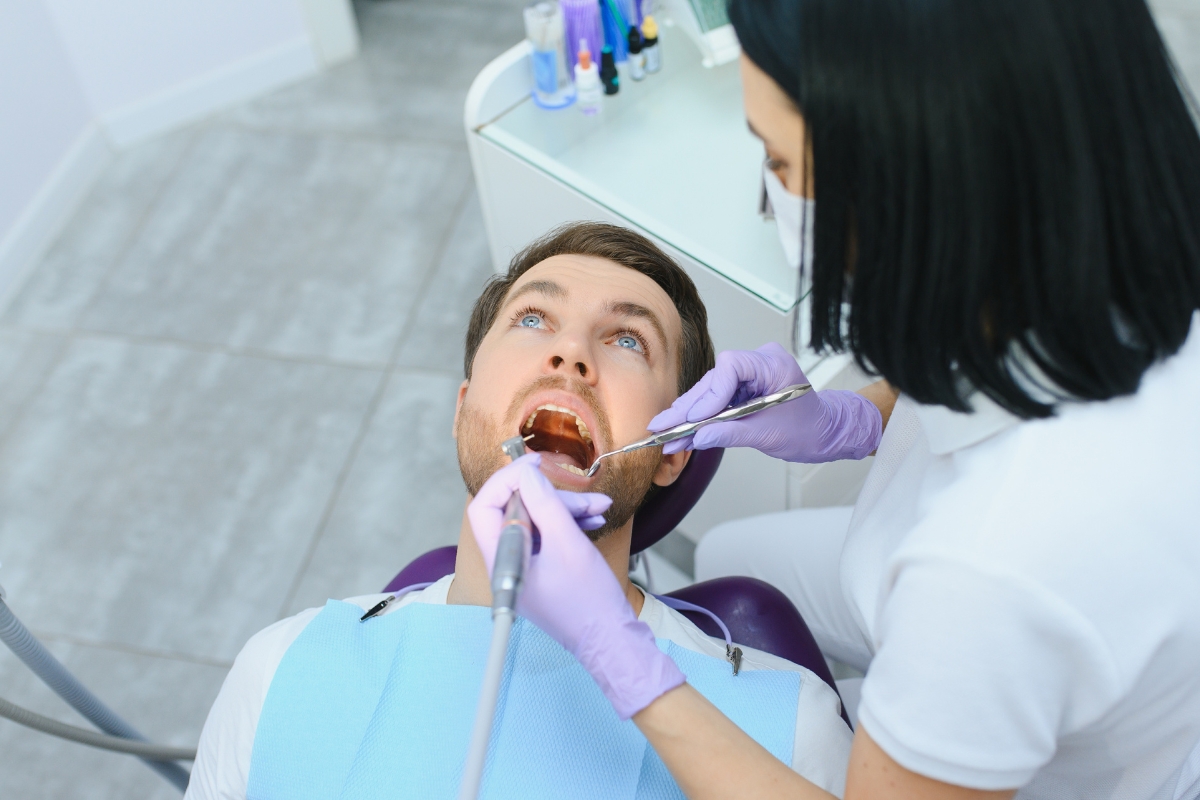
If you’ve been told you need a tooth removed but also live with a heart condition, it’s completely normal to feel concerned. Questions about safety, medications, and possible complications can make anyone hesitant to sit in the dental chair. The good news? With the right precautions and communication between your healthcare providers, tooth extraction is often safe even for patients with heart disease.
In fact, many patients seeking tooth extraction in Scottsdale have underlying medical conditions, and experienced dental teams are well-equipped to handle these situations with care and precision.
Let’s Make Your Dental Visit Easy

Thanks for taking the time to learn about safety considerations for tooth extraction when living with heart disease. At Pinnacle Peak Dentistry, Dr. Michael Schwartz and the dedicated team focus on providing thoughtful, patient-centered care tailored to individual medical needs.
From careful pre-procedure planning to attentive post-extraction guidance, every step is designed to support a smooth and comfortable experience. Whether you’re preparing for treatment or looking for reassurance about your options, the team is committed to helping you feel informed and at ease throughout the process.
Your care is always approached with attention to detail and an understanding of your overall health, so you can move forward with confidence and peace of mind.
Let’s walk through what you need to know so you can feel confident, informed, and prepared.
Why Heart Conditions Matter in Dental Procedures
Your heart health plays a major role in how your body responds to dental treatments. Certain conditions like coronary artery disease, arrhythmias, or valve disorders can increase the risk of complications during or after a tooth extraction.
Here’s why dentists take extra precautions:
- Blood thinners may increase bleeding
- Infections can potentially affect the heart (especially in valve conditions)
- Stress or anxiety may impact heart rate and blood pressure
- Healing time may vary depending on your overall health
That said, avoiding necessary dental care can actually make things worse. Untreated infections in the mouth can spread and put additional strain on your heart.
Is Tooth Extraction Safe for Heart Patients?
In most cases, yes, it is safe.
However, safety depends on three key factors:
1. Proper Medical Evaluation
Your dentist will review your medical history and may consult your cardiologist before proceeding. This ensures your treatment plan is tailored to your specific condition.
2. Medication Management
If you’re taking medications like aspirin, warfarin, or other anticoagulants, your dentist will decide whether adjustments are needed. In many cases, these medications are continued with added precautions.
3. Controlled Treatment Environment
Modern dental practices use advanced monitoring, sterilization, and minimally invasive techniques to reduce risks significantly.
Patients looking for tooth extraction in Scottsdale often benefit from clinics that routinely coordinate care with physicians, ensuring a smooth and safe experience.
Potential Risks to Be Aware Of
While generally safe, it’s important to understand possible risks:
- Excessive bleeding due to blood-thinning medications
- Infection, which could impact heart health in rare cases
- Fluctuations in blood pressure or heart rate during the procedure
- Delayed healing
The key takeaway? These risks are manageable with proper planning and professional care.
How to Prepare for a Tooth Extraction
Preparation makes all the difference especially if you have a heart condition.
✔️ Before Your Appointment:
- Share your complete medical history
- List all medications and dosages
- Inform your dentist about any recent cardiac events
- Ask if you need clearance from your cardiologist
✔️ On the Day of the Procedure:
- Take medications as instructed
- Eat a light meal unless advised otherwise
- Arrive early to stay relaxed and stress-free
✔️ After the Extraction:
- Follow aftercare instructions carefully
- Avoid strenuous activity for a few days
- Watch for unusual symptoms like prolonged bleeding or swelling
Why Local Care Matters
Living in Scottsdale comes with its own lifestyle advantages—sunny weather, active routines, and access to quality healthcare. But the dry desert climate can sometimes affect oral health, leading to issues like gum irritation or dehydration.
That’s why choosing a local dental provider familiar with these factors can make a difference. Clinics offering tooth extraction in Scottsdale understand the specific needs of the community and can provide guidance tailored to your environment and lifestyle.
Tips for a Safer Experience
- Choose a dentist experienced in treating medically complex patients
- Schedule morning appointments when your body is more relaxed
- Practice stress-reducing techniques like deep breathing
- Stay hydrated, especially in Arizona’s dry climate
- Don’t skip follow-up visits
Final Thoughts
Having a heart condition doesn’t mean you have to delay or avoid necessary dental care. With proper planning, open communication, and expert care, tooth extraction can be performed safely and comfortably.
If you’ve been putting off treatment due to concerns, now is the time to take the next step toward better oral and overall health.
Dr Schwartz and his staff are great. He’s very thorough and explains in detail. The staff are friendly, helpful and they all have a terrific sense of humor. – K Tashlik
Don’t just take our word for it read our Google reviews and hear from real patients.
Ready to Talk to a Professional?
At Pinnacle Peak Dentistry, patient safety always comes first. Whether you have a heart condition or other medical concerns, the team takes a personalized approach to ensure your treatment is both safe and stress-free.
Book your consultation today and get expert guidance tailored to your needs. Your smile and your health deserve it.
Frequently Asked Questions
Can I Undergo Tooth Extraction If I Have A Heart Stent?
Yes, but your dentist may consult your cardiologist and take precautions regarding medications.
Should I Stop Taking Blood Thinners Before The Procedure?
Not always. Many patients continue their medication, but your dentist will guide you based on your condition.
Is Anesthesia Safe For Heart Patients?
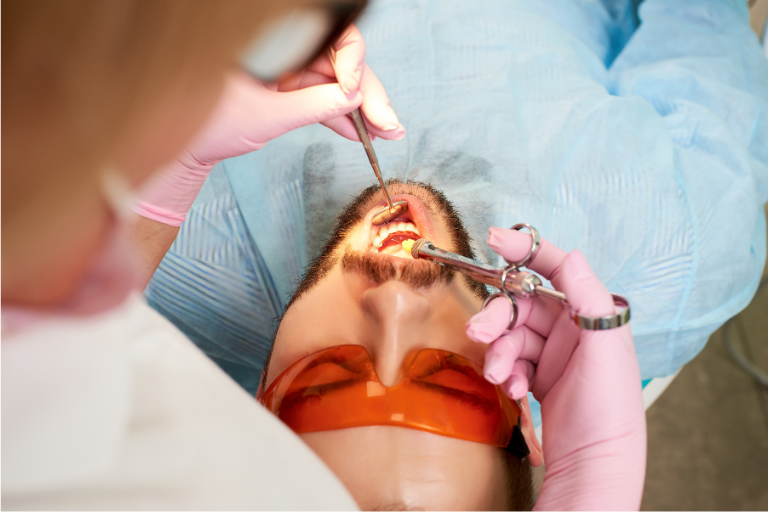
Local anesthesia is generally safe. Your dentist will use the safest option based on your medical history.
Do I Need Antibiotics Before Tooth Extraction?
Some patients with specific heart conditions may require preventive antibiotics. This depends on your diagnosis.
What Signs Should I Watch For After Extraction?
Watch for excessive bleeding, severe pain, swelling, or fever after the procedure. If any of these symptoms persist or worsen, contact your dentist immediately for evaluation.