Michael Schwartz, DMD

Cracked Tooth Dilemma: Should You Opt For A Crown Or An Extraction?


Biting into something and hearing that unmistakable crack is enough to make anyone’s stomach drop. A cracked tooth is one of the most common dental emergencies, and it often comes with an immediate question: can this tooth be saved, or does it need to come out? The good news is that most cracked teeth can be treated, but the right path depends on where the crack is, how deep it runs, and whether the tooth’s root is still healthy. In this guide, we’ll walk through how dentists decide between a crown and an extraction, so you can walk into your appointment feeling informed rather than anxious.
Understanding What Happens When You Have a Cracked Tooth
Teeth crack for all sorts of reasons biting down on something hard, an old filling weakening the structure, teeth grinding at night, or even a blow to the face. Not every crack is the same, though, and that’s exactly why treatment isn’t one-size-fits-all.
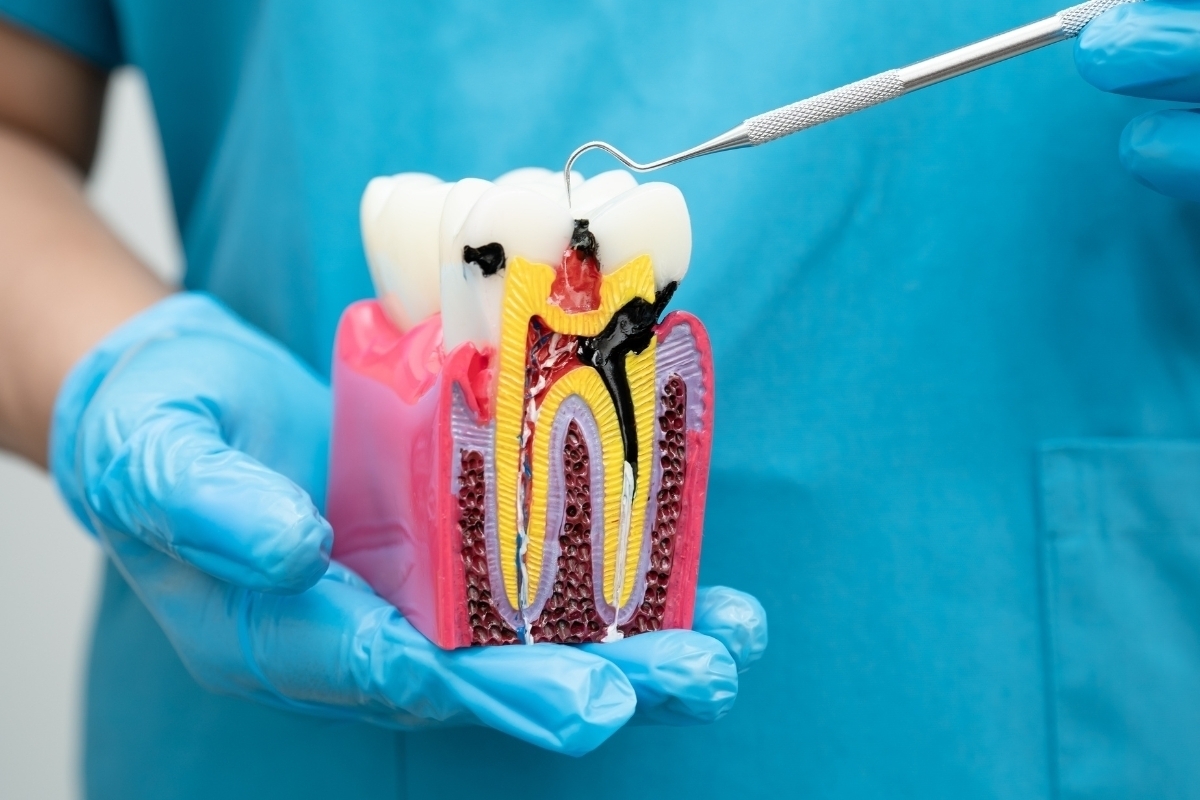
Some cracks are barely visible and only affect the outer enamel. Others travel deeper, reaching the pulp (the nerve and blood supply inside the tooth) or even extending below the gum line. The depth and direction of the crack are what really determine whether your dentist recommends saving the tooth or removing it.
Common Signs You Might Have a Cracked Tooth
You may not always see a crack, but you’ll usually feel it. Watch for:
- Sharp pain when chewing or releasing a bite
- Sensitivity to hot or cold that comes and goes
- Discomfort that’s hard to pinpoint to one specific tooth
- Occasional swelling of the gum near the affected tooth
If any of this sounds familiar, it’s worth getting checked out sooner rather than later. Cracks tend to get worse over time, not better.
Crown vs. Extraction: How Dentists Decide
When you’re dealing with a cracked tooth, your dentist is essentially asking one central question: is there enough healthy tooth structure left to build on? Here’s how that plays out.
When a Dental Crown Is the Better Option
A crown is usually the first choice whenever the tooth can be saved. Think of a crown as a protective cap that covers the entire visible portion of the tooth, holding the cracked pieces together and shielding them from further damage.
Crowns tend to work well when:
- The crack hasn’t reached the pulp or nerve
- The root of the tooth is stable and free of infection
- There’s enough remaining tooth structure to support the crown
- The crack is limited to the chewing surface rather than running vertically toward the root
In many cases, if the crack has just started to irritate the nerve, a root canal followed by a crown can restore full function. This combination is one of the most reliable ways to keep your natural tooth for years to come.
When Extraction Becomes Necessary
Extraction isn’t anyone’s first choice, but sometimes it’s genuinely the healthier option. Your dentist may recommend removing the tooth if:
- The crack extends vertically below the gum line and into the root
- The tooth is split into two separate pieces (often called a “split tooth”)
- There’s significant bone loss or infection around the root
- The remaining structure is too fragile to support a crown, even with a root canal
A vertically fractured root is usually the deciding factor. Once a crack runs through the root itself, there’s typically no way to seal it off, and bacteria can continue to seep in no matter how well the visible tooth is restored.
Why an Early Diagnosis Makes All the Difference
This is the part patients often don’t realize: the earlier a cracked tooth is evaluated, the more likely it is that a crown will work instead of an extraction. Waiting even a few weeks can allow a small crack to widen, especially if you’re still chewing on that side.
That’s why dentists generally recommend:
- Avoiding hard or crunchy foods on the affected side
- Scheduling an evaluation as soon as symptoms appear
- Getting an X-ray, since many cracks aren’t visible to the naked eye
- Not waiting for pain to become constant before seeking care
Think of it this way a cracked windshield is much easier to repair when it’s a small chip than once it’s spread across the glass. Teeth work similarly.
What to Expect During Your Evaluation
If you come in with a suspected cracked tooth, your dentist will typically start with a visual exam, followed by a bite test to help locate the exact tooth causing discomfort. X-rays are almost always part of the process, since they reveal what’s happening below the gum line where the eye can’t see.
In some cases, a special dye is used to highlight the crack more clearly, or a magnifying tool helps the dentist trace how far it extends. This thorough approach matters a wrong diagnosis at this stage can mean choosing the wrong treatment altogether.
Life After Treatment: Crown or Extraction
Whichever path your dentist recommends, recovery is usually straightforward.
With a crown: Most patients are back to normal eating within a day or two, once any numbness wears off. The crown itself can last well over a decade with good oral hygiene.
With an extraction: Healing typically takes about one to two weeks, and your dentist will likely discuss replacement options like a dental implant or bridge to prevent nearby teeth from shifting.
Either way, the goal is the same: getting you back to comfortable, confident chewing without ongoing pain.
Preventing Future Cracks
While not every cracked tooth is preventable, a few habits go a long way:
- Wear a nightguard if you grind your teeth while sleeping
- Avoid chewing ice, hard candy, or popcorn kernels
- Don’t use your teeth as tools to open packages
- Keep up with regular checkups so small issues are caught early
Final Thoughts: Trust Your Dentist’s Assessment
A cracked tooth can feel like a scary, uncertain situation, but it doesn’t have to be. With a timely evaluation, most cases have a clear, manageable path forward whether that’s a crown that restores your tooth’s strength or an extraction that protects your overall oral health. What matters most is not waiting too long to get it checked.
At Pinnacle Peak Dentistry – Scottsdale, our team takes the time to properly diagnose every cracked tooth case before recommending treatment, so you’re never left guessing. If you’re dealing with tooth pain or suspect a crack, don’t wait for it to worsen.
Schedule your appointment today with Pinnacle Peak Dentistry in Scottsdale, AZ 85255, and let our experienced team help you find the right solution for lasting relief and a healthy smile.
Questions Patients Often Ask Us
Can a cracked tooth heal on its own?
No, unfortunately tooth enamel can’t repair itself the way skin or bone can. Once a crack forms, it needs professional treatment to prevent it from getting worse.
Is it normal for a cracked tooth to hurt only sometimes?
Yes, this is actually very common. Pain that comes and goes especially when chewing or with temperature changes is often one of the earliest signs of a crack, even before it’s constant.
Will I definitely need a root canal if my tooth is cracked?
Not always. It depends on whether the crack has reached the nerve. Many shallow cracks can be treated with just a crown, without any root canal involved.
How long does a crown last after a cracked tooth is repaired?
With good care, a dental crown can last 10 to 15 years, sometimes longer. Regular checkups help catch any wear before it becomes a bigger issue.
What happens if I ignore a cracked tooth for too long?
The crack can deepen, increase your risk of infection, and eventually limit your treatment options to only extraction. Early care almost always means more choices for you.
Is getting a tooth pulled the easier option compared to a crown?
It might seem simpler in the short term, but a missing tooth affects chewing, bite alignment, and nearby teeth over time. Saving the natural tooth with a crown, when possible, is usually the better long-term investment.