Michael Schwartz, DMD

Root Canal vs. Crown: Finding the Right Treatment for Your Tooth

Tooth pain has a way of stopping your day in its tracks. Whether it’s a sharp jolt when you bite down or a dull ache that won’t quit, the big question that follows is usually the same: do I need a root canal, or will a crown fix this?
The truth is, these two treatments aren’t competitors they often work together. Understanding the difference can help you feel more confident walking into your next appointment. If you’re searching for root canal therapy Scottsdale patients trust, this guide will help you understand exactly what to expect and how to decide on the right path forward with your dentist.
Understanding the Basics: What Each Treatment Actually Does
What Is a Root Canal?
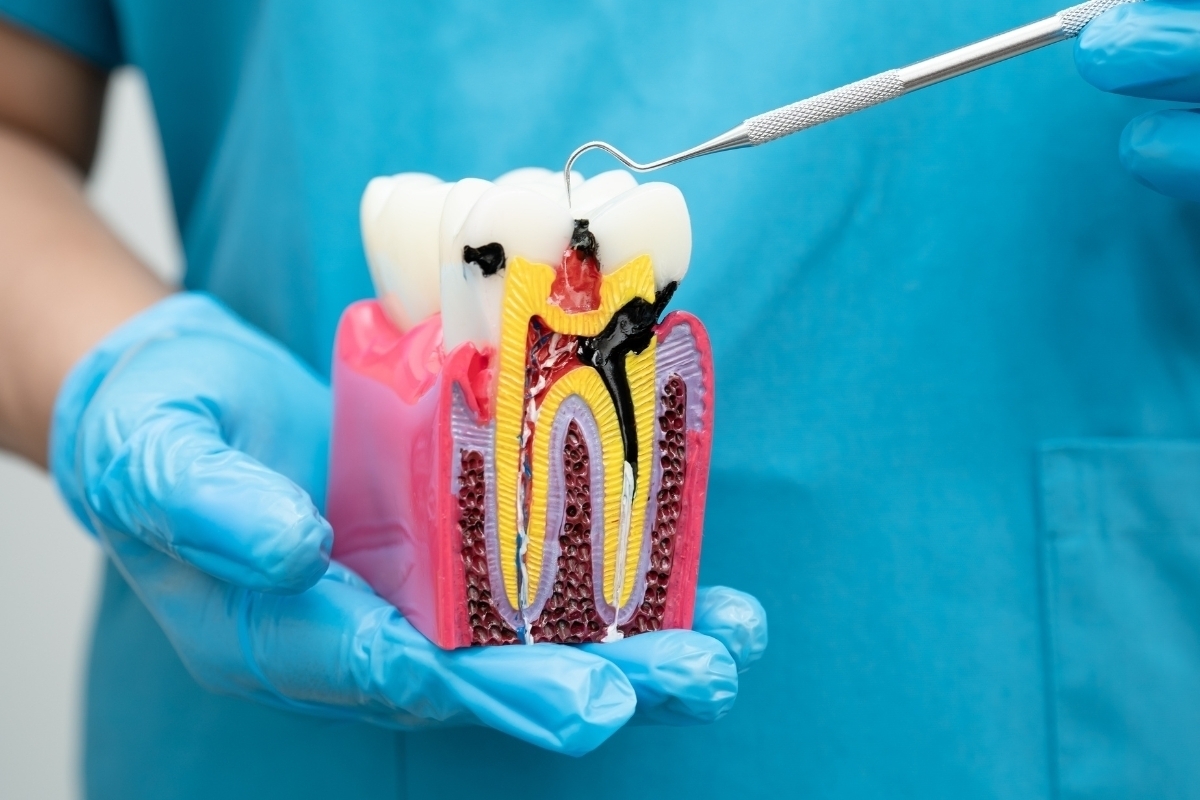
A root canal is a procedure that treats infection or damage inside the tooth. It removes inflamed or infected pulp the soft tissue inside your tooth containing nerves and blood vessels.
Here’s what typically happens during treatment:
- Your dentist numbs the area and removes the damaged pulp
- The inside of the tooth is cleaned and disinfected
- The empty space is filled and sealed to prevent reinfection
Contrary to its reputation, most patients report that root canals feel similar to getting a routine filling, thanks to modern techniques and effective numbing.
What Is a Dental Crown?
A Dentalcrown is a custom-made cap that covers a tooth. Think of it as protective armor for a tooth that’s weakened, cracked, or has undergone significant treatment.
Crowns are typically used to:
- Restore a tooth’s shape, size, and strength
- Protect a tooth after a root canal
- Cover a large filling when there isn’t enough natural tooth left
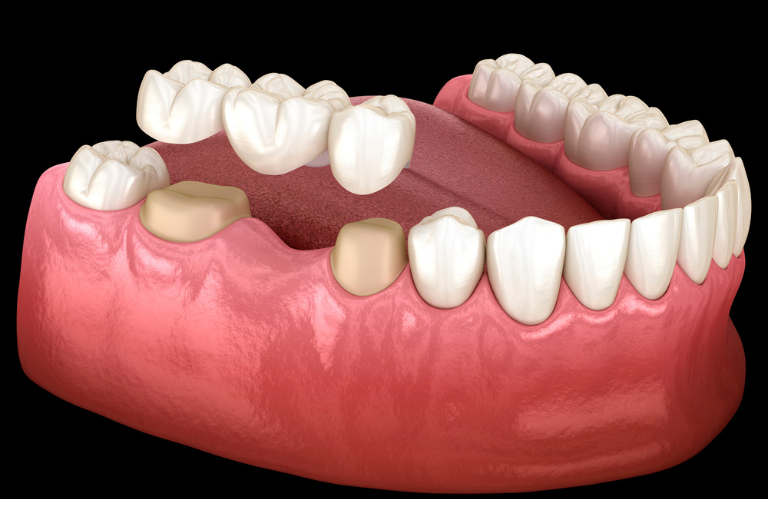
- Support a dental bridge
Root Canal vs. Dental Crown: What’s the Difference?
Seeing the two treatments side by side can make the distinction much clearer.
| Aspect | Root Canal | Dental Crown |
|---|---|---|
| What it treats | Infected or inflamed tooth pulp | Weakened, cracked, or worn tooth structure |
| Purpose | Removes infection and relieves pain | Restores strength, shape, and appearance |
| Where it works | Inside the tooth | Covers the outside of the tooth |
| Typical timeline | 1–2 visits | 1–2 visits (varies by material/lab process) |
| Anesthesia needed | Yes, local anesthesia | Usually yes, local anesthesia |
| Recovery | Mild soreness for a few days | Brief sensitivity as you adjust |
| Often paired with | A crown (especially on molars) | Can follow a root canal or stand alone |
| Lifespan | Permanent once treated, but tooth needs protection | 10–15+ years with good care |
As the table shows, a root canal addresses what’s happening inside the tooth, while a crown protects and restores it from the outside which is why the two treatments so often go hand in hand.
Root Canal or Crown: How Dentists Decide
This is where a lot of confusion comes from. In many cases, it’s not actually root canal versus crown it’s root canal and then crown.
When a Root Canal Alone May Be Enough
If the infection is caught early and the tooth structure is still strong, a root canal followed by a standard filling might be sufficient. This is more common with front teeth, which handle less biting pressure.
When a Crown Is Needed After a Root Canal
Back teeth, like molars, endure heavy chewing forces every day. Once the pulp is removed, a tooth can become more brittle over time. A crown adds a protective layer, reducing the risk of future fractures.
When You Might Need a Crown Without a Root Canal
Not every crown means an infected tooth. Dental Crowns are also used for cosmetic reshaping, covering worn-down teeth, or reinforcing teeth after minor chips no root canal required.
Signs You May Need One of These Treatments
It helps to know what symptoms typically point toward each option. Consider reaching out to a dentist in Scottsdale if you notice:
Possible root canal signs:
- Persistent, throbbing tooth pain
- Sensitivity to hot or cold that lingers
- Swelling or tenderness in the gums
- A darkening tooth
Possible crown-only signs:
- A cracked or chipped tooth without deep pain
- Worn-down teeth from grinding
- A large old filling that’s failing
Only a dental exam and X-rays can confirm what’s really going on beneath the surface, so self-diagnosing isn’t recommended.
What to Expect During Recovery
Recovery timelines differ slightly between the two treatments, though neither typically requires much downtime.
After a root canal, mild soreness for a few days is normal and manageable with over-the-counter pain relief. After a crown placement, some sensitivity to temperature may linger briefly as your mouth adjusts.
In both cases, most patients return to normal eating and daily activities almost immediately.
Cost Considerations and Insurance
Cost is understandably a common concern. Root canals and crowns are separate procedures, so combined treatment does involve two costs. However, saving the natural tooth is almost always more affordable long-term than extraction followed by an implant or bridge.
Many dental insurance plans cover a portion of both procedures, and most dental offices offer payment plans to ease the financial impact.
Why Choosing an Experienced Dentist Matters
Precision matters with both procedures. A root canal requires careful cleaning of tiny canals inside the tooth, while a crown needs an accurate fit to function properly and look natural.
Choosing a dental team with modern technology and genuine chairside care can make the entire experience far more comfortable and give you confidence in the long-term result.
Conclusion: Protecting Your Smile Starts With the Right Diagnosis
Whether you need a root canal, a crown, or both, the goal is always the same: relieving pain and preserving your natural tooth whenever possible. The sooner an issue is diagnosed, the simpler and more comfortable treatment tends to be.
If you’re dealing with tooth pain or a damaged tooth, don’t wait for it to worsen. Schedule your appointment today with Pinnacle Peak Dentistry – Scottsdale, located in Scottsdale, AZ 85255, and let our team help you find the right path back to a healthy, pain-free smile.
Questions Patients Often Ask
Does a root canal hurt more than a filling?
Not typically. With modern anesthesia, most patients feel little to no pain during the procedure itself often less discomfort than they expected.
How do I know if I need a crown after my root canal?
Your dentist will evaluate the tooth’s location and remaining structure. Back teeth usually need a crown for added strength, while front teeth sometimes don’t.
Can a tooth get infected again after a root canal?
It’s uncommon, but reinfection can happen if the seal is compromised or a crack develops. Regular checkups help catch this early.
How long does a dental crown typically last?
With good oral hygiene, crowns often last 10–15 years or longer, though this varies based on materials and daily wear.
Is it possible to just pull the tooth instead of doing a root canal?
Extraction is an option, but preserving your natural tooth usually supports better long-term chewing function and jaw health.
Will my dental insurance help cover these treatments?
Many plans offer partial coverage for both root canals and crowns. Our team can help verify your benefits before treatment begins.