Michael Schwartz, DMD

Signs You May Need a Root Canal Before the Pain Gets Worse


Root canal. The phrase alone is enough to make most people cringe. It has become shorthand in everyday American conversation for something unpleasant. “I’d rather have a root canal” is practically a cultural expression at this point. But what that reputation misses is how dramatically the procedure has changed over the years. Modern root canal therapy in Scottsdale and throughout the United States bears little resemblance to the experience that earned the procedure its outdated reputation. Understanding what today’s treatment actually involves can help patients make informed decisions instead of delaying care because of fear or misinformation.
In Scottsdale, where patients expect advanced care and modern technology, root canal procedures are now designed to be efficient, comfortable, and highly predictable. Most patients are surprised to learn that the procedure feels very similar to getting a standard dental filling.
Why the Reputation Exists
The fear of root canals is largely inherited from previous generations. Decades ago, local anesthesia was less advanced, dental technology was more limited, and patients often waited until infections became severe before seeking treatment. That combination made procedures more difficult and sometimes uncomfortable. Stories from that era have continued to shape public opinion even though dentistry has changed significantly.
Today, dentists in Scottsdale use modern anesthetics, digital imaging, and precision instruments that make treatment far more comfortable than patients expect. Unfortunately, many people still associate root canals with pain because of outdated stories rather than current reality.
Another reason for the fear is that patients often seek treatment when they are already dealing with severe tooth pain caused by infection. The discomfort people associate with a root canal is frequently the infection itself, not the procedure used to treat it.
What Root Canal Therapy Actually Involves
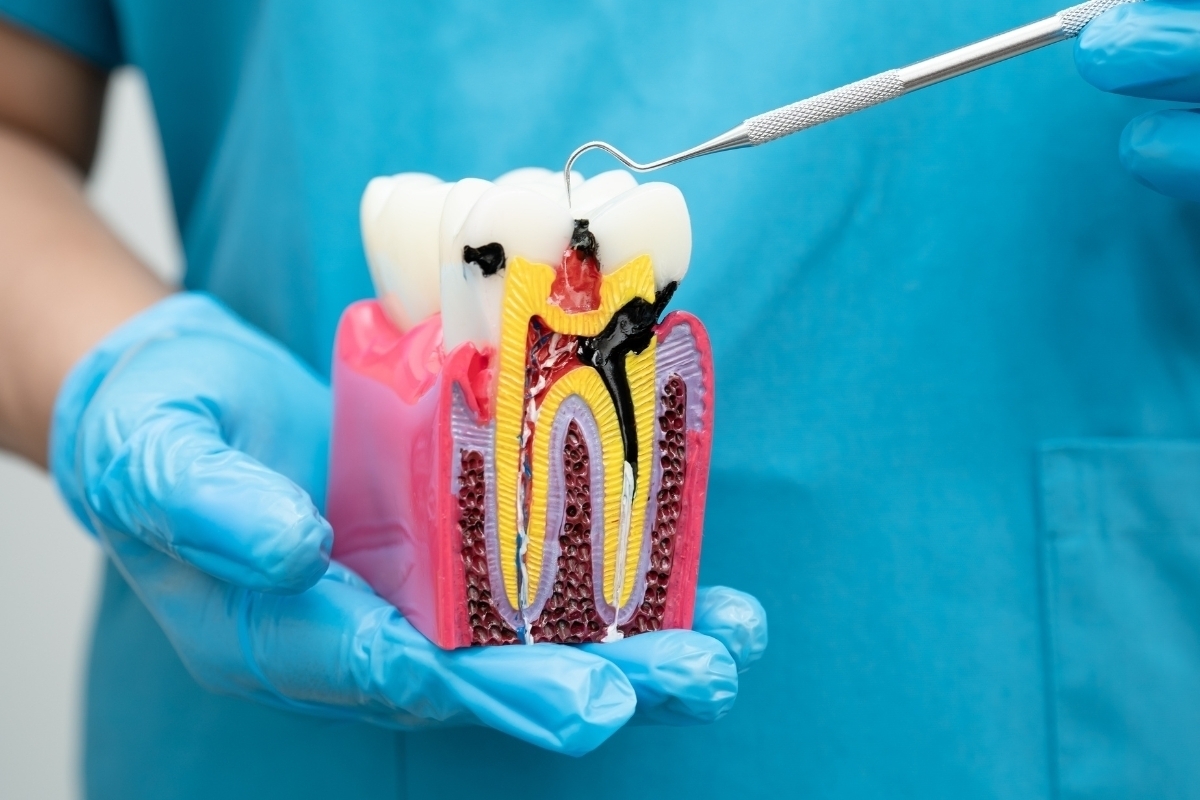
A root canal treats the inside of a tooth when the pulp of the soft tissue containing nerves and blood vessels becomes infected or inflamed. This can happen because of deep decay, a cracked tooth, repeated dental work, or trauma to the tooth. During the procedure, the infected pulp is removed, the canals inside the root are carefully cleaned and shaped, and the tooth is sealed to help prevent reinfection. In most cases, a dental crown is placed afterward to strengthen and protect the tooth.
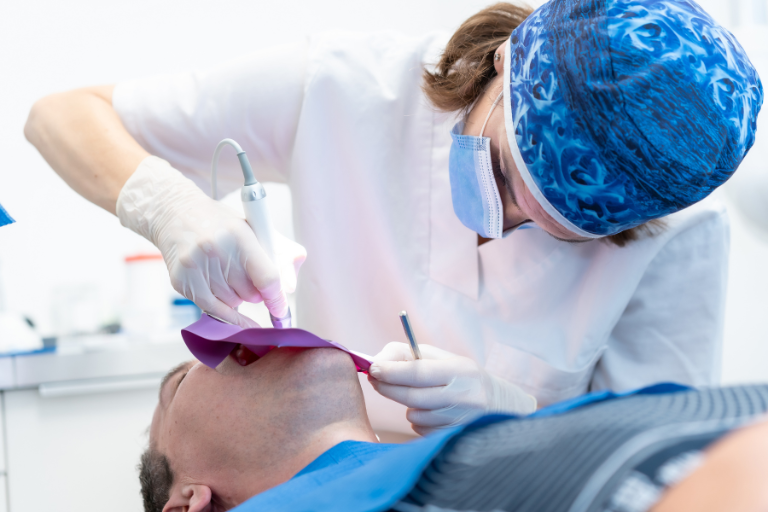
The process is much more routine than many patients expect. Root canal therapy in Scottsdale uses the same type of local anesthesia commonly used for fillings and other restorative procedures. Once the tooth is numb, patients may feel slight pressure or movement, but they should not feel pain.
The amount of time needed depends on the location of the tooth and the complexity of the case. Front teeth with a single canal are often completed in one visit, while molars with multiple canals may require two appointments.
Many Scottsdale dental offices also focus heavily on patient comfort, offering calming environments, gentle treatment techniques, and clear communication throughout the procedure. These details make a major difference for patients who may already feel anxious about dental treatment.
The Role of Anesthesia and Technology
Modern anesthetics are far more reliable and longer-lasting than older versions used decades ago. For patients with dental anxiety or active infections that make numbness harder to achieve, dentists may use supplemental anesthesia techniques to provide deeper comfort during treatment.
Technology has also completely changed the root canal experience. Digital X-rays and cone beam CT imaging allow dentists to see the internal structure of the tooth with remarkable accuracy before treatment even begins. This helps identify curved canals, hidden anatomy, and areas of infection more precisely.
Nickel-titanium rotary instruments clean and shape the canals more efficiently than traditional manual tools, reducing chair time and improving accuracy. Electronic apex locators help confirm the exact length of each canal, improving treatment precision and long-term success.
Together, these technologies make root canal therapy in Scottsdale faster, safer, and more comfortable than ever before. Patients benefit from shorter appointments, more predictable outcomes, and smoother recoveries.
What Patients Actually Experience
Most patients are genuinely surprised by how manageable the procedure feels. During treatment, the most common sensation is pressure rather than pain. Many people compare it to having a routine filling placed.
After the appointment, mild soreness around the jaw or surrounding gum tissue is normal for a few days. This is typically manageable with over-the-counter pain medication such as ibuprofen or acetaminophen. The intense tooth pain caused by the infection is usually gone once the infected pulp has been removed.
For many Scottsdale patients, the procedure actually provides immediate relief. A severely infected tooth can create constant throbbing pain, sensitivity to temperature, and discomfort while eating. Root canal treatment removes the source of that pain and allows the area to heal.
Most patients are able to return to work, school, or normal daily activities the same day. Recovery is generally straightforward, especially when patients follow post-treatment instructions carefully.
Signs You Might Need a Root Canal
Not every toothache requires root canal therapy, but certain symptoms may indicate that the pulp inside the tooth has been compromised:
- Prolonged sensitivity to hot or cold temperatures that lingers after the stimulus is removed
- Spontaneous or throbbing tooth pain, especially at night
- Pain when biting or chewing
- Swelling or tenderness around the gums
- A pimple-like bump near the affected tooth, often associated with a dental abscess
- Darkening or discoloration of the tooth
- A cracked or injured tooth with lingering sensitivity
- A tooth that suddenly stops hurting after severe pain, which may indicate the nerve has died
If you experience any of these symptoms, scheduling an evaluation promptly can help prevent the infection from worsening.
Why Saving a Natural Tooth Matters
Root canal therapy is designed to save your natural tooth whenever possible. If the pulp becomes infected and treatment is delayed too long, the alternative is often tooth extraction.
While dental implants and bridges are excellent restorative options, preserving your natural tooth is usually the most conservative and beneficial approach. A properly treated tooth restored with a quality crown can often last for decades with good oral hygiene and regular dental visits.
Natural teeth also help maintain proper bite alignment, chewing function, and jawbone stability. Saving the original tooth whenever possible remains a top priority in modern dentistry.
For many patients in Scottsdale, choosing root canal therapy means avoiding more complex procedures, longer healing periods, and higher replacement costs associated with tooth extraction.
Just had a root canal done with Dr Schwartz. Very comfortable experience. He and Ashley did a great job explaining everything along the way. Very happy with the experience. – J Klaudt
Want to know what makes our practice different? Start with our patient Google reviews.
Modern Root Canals Are Designed Around Comfort
The outdated image of root canal treatment no longer reflects modern dentistry. Advances in anesthetics, imaging, and treatment techniques have transformed the procedure into a highly effective and comfortable way to eliminate infection and preserve natural teeth.
Delaying treatment because of fear can allow the infection to worsen, potentially leading to swelling, bone loss, or tooth extraction. Seeking care early often makes treatment simpler and recovery easier.
Don’t let outdated fears prevent you from saving your tooth. Pinnacle Peak Dentistry provides advanced, patient-focused root canal therapy in Scottsdale using modern technology and comfort-focused care.
Book your appointment today at Pinnacle Peak Dentistry. Your tooth is worth saving.
FAQs
How do I know if I need a root canal or just a filling?
Fillings are used when decay has not reached the pulp of the tooth. If the nerve tissue becomes infected or inflamed, a root canal may be necessary. Your dentist will evaluate the tooth using X-rays, temperature testing, and a clinical examination.
Can I drive myself home after a root canal?
Yes. If only local anesthesia is used, most patients can safely drive themselves home and return to normal activities afterward. If sedation is used, you will need someone to drive you home.
What happens if I avoid a root canal and only take antibiotics?
Antibiotics may temporarily reduce the infection, but they do not remove the infected tissue inside the tooth. Without treatment, the infection usually returns and can become more severe over time.
How successful is root canal treatment?
Root canal treatment has a very high success rate when performed properly and followed by a quality restoration such as a crown. Many treated teeth continue functioning normally for decades.
Is there an alternative to a root canal?
If the pulp is infected, the primary alternative is tooth extraction. In some early cases, procedures designed to preserve pulp vitality may be possible, but once the infection is advanced, extraction is usually the only alternative to root canal therapy.