Michael Schwartz, DMD

What Type of Root Canal Treatment Is Best for Infected Teeth?


Tooth pain has a way of showing up at the worst possible time during a busy workweek, before a weekend hike at Camelback Mountain, or right before a big family gathering. When that pain turns out to be caused by an infected tooth, many patients hear the same recommendation: a root canal.
But here’s the thing most people don’t realize not all root canal treatments are the same. The “best” option depends on the type of infection, the tooth involved, and your long-term oral health goals.
If you live in Scottsdale or nearby communities like Paradise Valley or North Phoenix, understanding your options can help you make a confident, informed decision about your dental care.
Take Control of Your Oral Health

Thanks for taking the time to read our expert tips on how to make root canal therapy as comfortable as possible! At Pinnacle Peak Dentistry, our experienced team, led by Dr. Michael Schwartz, is committed to helping you heal efficiently and maintain optimal oral health.
Whether you’re preparing for a root canal or need guidance during recovery, we’re here to support you.
Your consultation and care are always personalized and patient-focused, so don’t wait! Start your journey toward a faster, more comfortable recovery and healthier teeth.
Why Infected Teeth Need Prompt Treatment
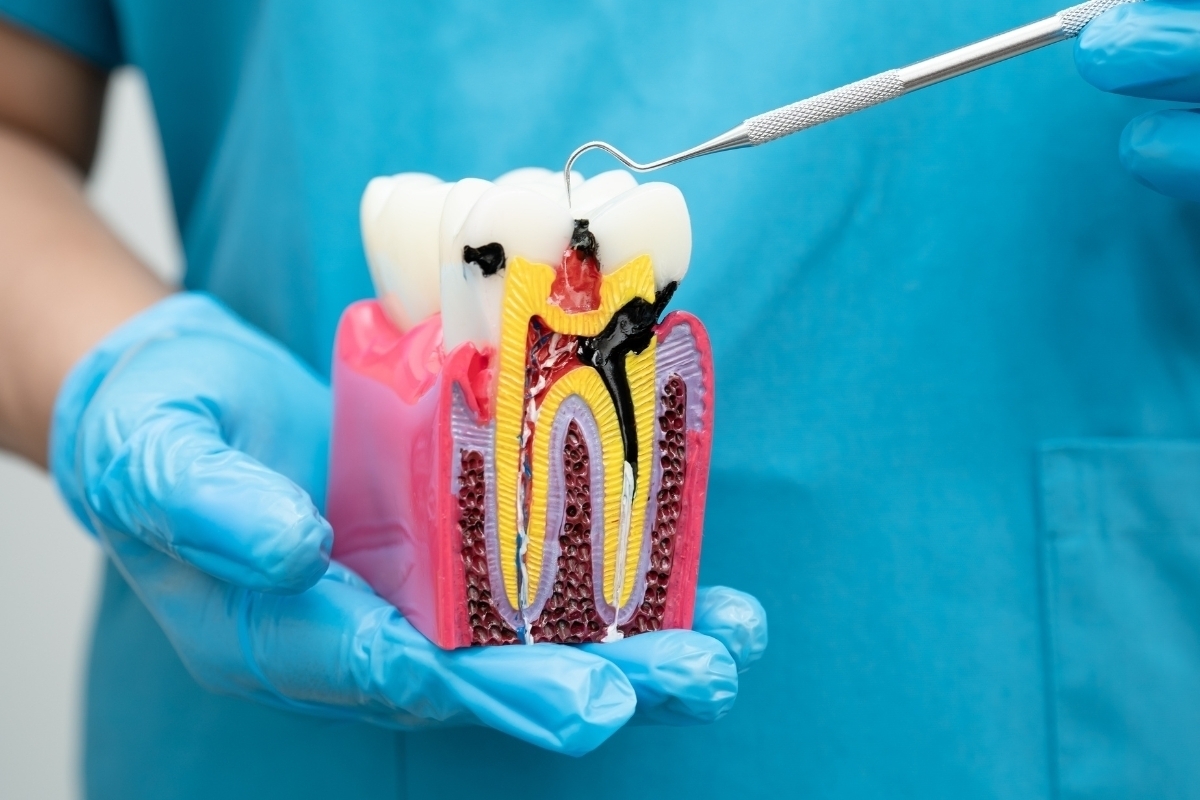
An infected tooth usually means bacteria have reached the pulp—the soft tissue inside your tooth that contains nerves and blood vessels. Left untreated, this infection can spread beyond the tooth, leading to swelling, bone loss, and even systemic health issues.
Common signs include:
- Persistent toothache or pressure
- Sensitivity to hot or cold
- Swollen or tender gums
- A pimple-like bump on the gum
- Pain when chewing
Arizona’s dry climate can sometimes mask inflammation, so pain may come and go—don’t wait for it to “settle down.” Early treatment often means simpler, more predictable care.
Types of Root Canal Treatments Explained
1. Conventional Root Canal Treatment
This is the most common option and works well for mild to moderate infections.
Best for:
- Early-stage infections
- Teeth with intact structure
- Patients seeking a reliable, proven solution
The dentist removes infected pulp, cleans the canals, disinfects the area, and seals the tooth. A crown is often placed afterward for strength especially important for molars that take on heavy chewing forces.
Many patients seeking root canal therapy in Scottsdale choose this option because it’s efficient, effective, and preserves the natural tooth.
2. Endodontic (Specialist-Performed) Root Canal
When an infection is complex such as curved canals, calcified roots, or previous failed treatment an endodontist may be recommended.
Best for:
- Severe or recurring infections
- Teeth with complicated root anatomy
- Retreatment cases
Endodontists use advanced imaging and specialized tools, which can be especially helpful for molars or teeth that have been treated before.
3. Apicoectomy (Root-End Surgery)
This is a surgical option used when standard root canal treatment doesn’t fully resolve the infection.
Best for:
- Persistent infection after prior treatment
- Infection located at the tip of the root
A small incision is made in the gum, the infected root tip is removed, and the area is sealed. While less common, it can save a tooth that might otherwise need extraction.
4. Root Canal with Same-Day Crown
For busy Scottsdale residents balancing work, school schedules, and desert commutes, time matters.
Best for:
- Teeth requiring immediate protection
- Patients wanting fewer appointments
This approach combines root canal treatment with advanced restorative technology, allowing the tooth to be treated and protected quickly.
Which Option Is “Best” for You?
The best root canal treatment depends on:
- The severity of the infection
- The tooth’s location (front tooth vs. molar)
- Your overall oral health
- How quickly treatment begins
A thorough exam including digital X-rays helps determine whether standard treatment is sufficient or if advanced care is needed. Many patients are surprised to learn that modern root canal procedures are far more comfortable than their reputation suggests.
In fact, patients choosing root canal therapy in Scottsdale often report immediate relief once the infection is removed.
Why Local Experience Matters
Dental needs aren’t one-size-fits-all. In Scottsdale, factors like:
- Dry climate and dehydration
- Seasonal allergies causing sinus pressure
- Active lifestyles with sports-related dental wear
…can all influence diagnosis and treatment planning. A local dental team understands these nuances and how they affect oral health over time.
Quick Tips to Protect a Tooth After Treatment
- Avoid chewing hard foods until your final restoration is placed
- Maintain regular brushing and flossing
- Stay hydrated—dry mouth increases cavity risk
- Schedule routine dental checkups
Preserving your natural tooth is almost always better than extraction when possible.
New to Pinnacle Peak Dentistry but, happy with Dr Schwartz and staff. Dr Schwartz is very through, caring and competent. – D Cabell
Want to feel confident in your choice? Hear from our patients on Google reviews.
Take the Next Step Toward Relief
An infected tooth doesn’t fix itself—but the right treatment can restore comfort, function, and peace of mind. Understanding your options empowers you to choose care that fits your health, lifestyle, and long-term goals.
If you’re experiencing tooth pain or have been told you need a root canal, the experienced team at Pinnacle Peak Dentistry is here to help. Schedule your appointment today and take the first step toward a healthier, pain-free smile.
FAQs
Is A Root Canal Painful?
Modern techniques and anesthesia make the procedure comparable to getting a filling. Most patients feel relief not pain after treatment.
How Long Does A Treated Tooth Last?
With proper care and a crown when recommended, a root-canal-treated tooth can last decades.
Can I Wait If The Pain Goes Away?
No. Pain may subside temporarily, but the infection remains and can worsen silently.
Is Extraction Ever Better Than A Root Canal?
Only when the tooth is too damaged to restore. Saving the natural tooth is usually the healthiest option.
How Soon Should I Book Treatment?
As soon as symptoms appear. Early care often means simpler, more affordable treatment.