Michael Schwartz, DMD

Understanding the Benefits and Potential Drawbacks of Scottsdale Dental Implants

Missing teeth affect more than your smile they can change how you eat, speak, and feel about yourself in everyday conversations. If you’ve been researching ways to replace a missing tooth or several, you’ve likely come across dental implants Scottsdale patients frequently ask about as a long-term solution.
Dental implants have become one of the most trusted tooth-replacement options in modern dentistry. But like any medical procedure, they come with both advantages and considerations worth understanding before you commit.
This guide breaks down what dental implants are, their real benefits, the potential drawbacks patients should know about, and how to decide if they’re the right choice for you.
What Are Dental Implants?
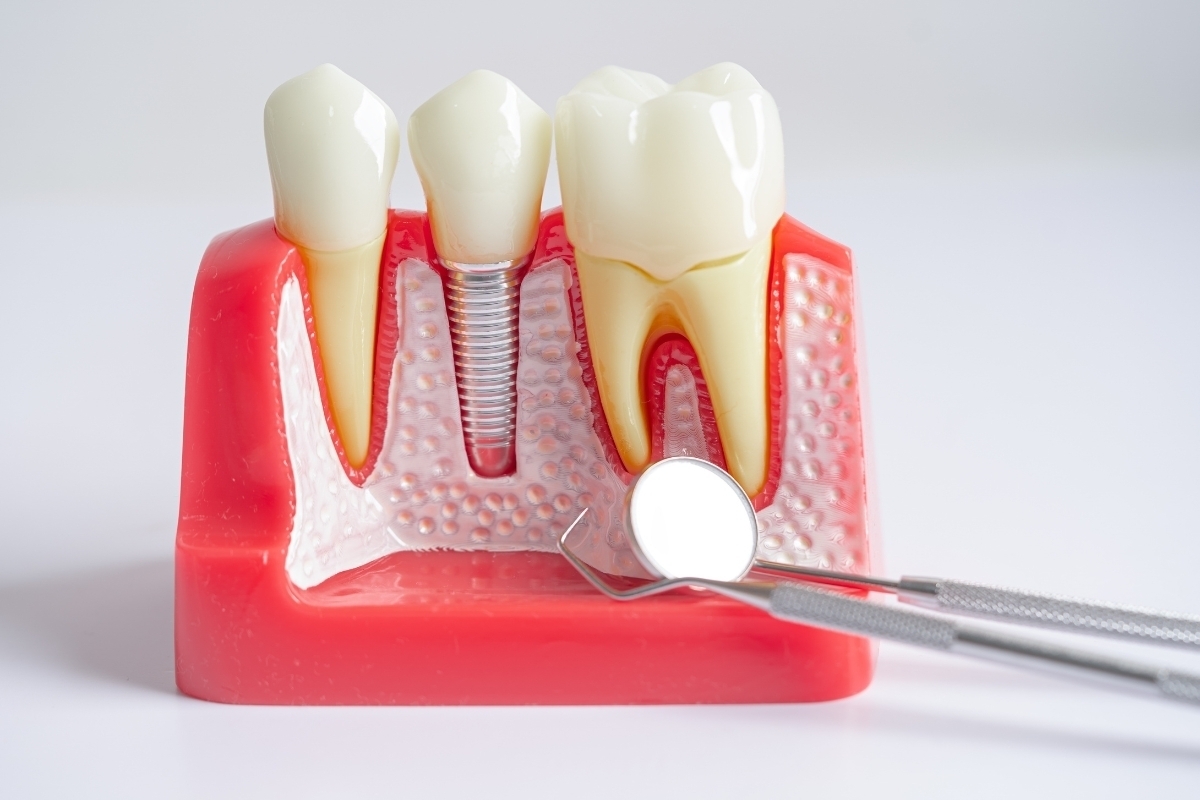
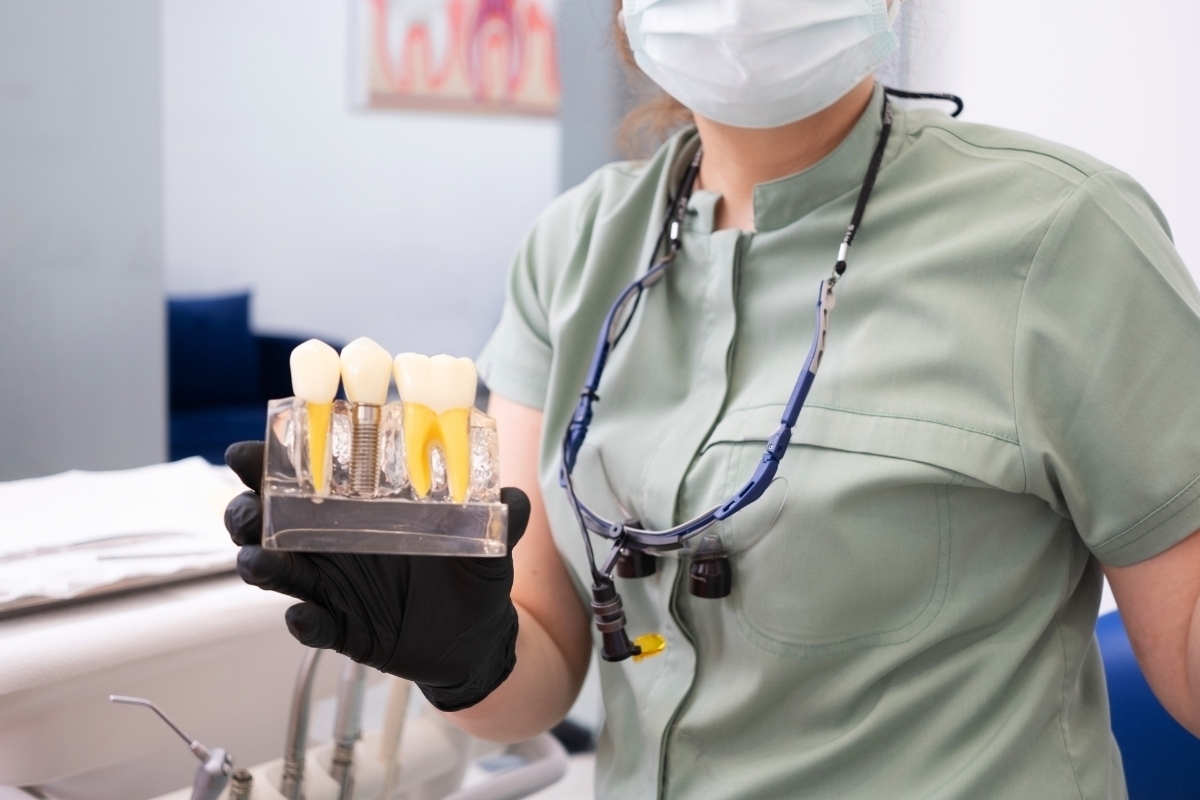
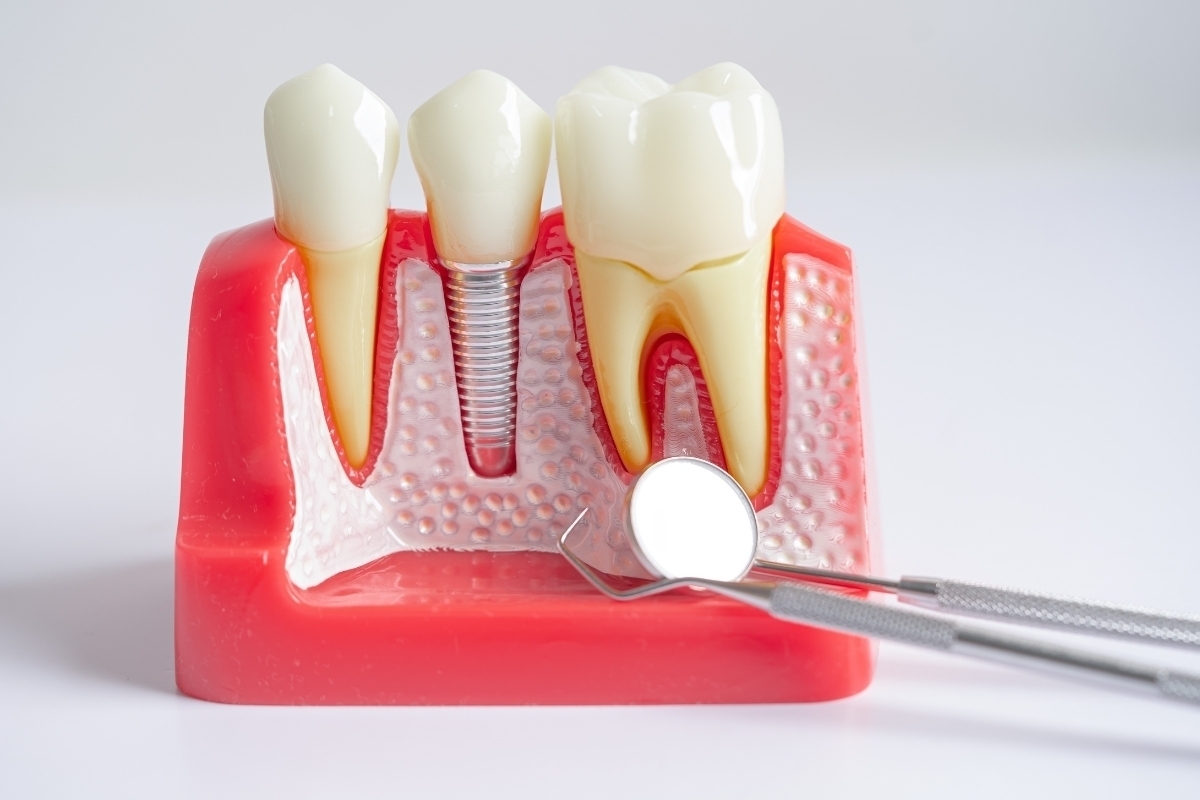
A dental implant is a small titanium post that’s surgically placed into the jawbone, acting as an artificial tooth root. Once it heals and fuses with the bone a process called osseointegration a custom-made crown is attached on top.
Unlike dentures or bridges, implants are anchored directly into the bone. This gives them a stability and feel that closely mimics natural teeth.
For residents searching for dental implants Scottsdale dentists offer, the appeal usually comes down to durability, function, and a natural appearance that other options can’t always match.
The Key Benefits of Dental Implants
1. Long-Term Durability
With proper care, dental implants can last 20 years or more in many cases, a lifetime. This makes them a strong long-term investment compared to bridges or dentures, which typically need replacement every 5–15 years.
2. Improved Chewing and Speech
Because implants are securely fused to the jawbone, they function much like natural teeth. Patients often find that:
- Chewing feels more comfortable and efficient
- Speech is clearer, without the slipping sometimes associated with dentures
- There’s no need to avoid certain foods
3. Preserving Jawbone Health
When a tooth is lost, the jawbone beneath it can begin to shrink over time due to lack of stimulation. Implants help preserve bone density by replicating the function of a natural tooth root, which also helps maintain facial structure.
4. Natural Look and Feel
Modern implant crowns are custom-crafted to match the size, shape, and color of surrounding teeth. Most people won’t be able to tell the difference between an implant and a natural tooth.
5. Protecting Neighboring Teeth
Traditional bridges often require grinding down adjacent healthy teeth for support. Implants stand independently, so nearby teeth remain untouched and structurally intact.
6. Boosted Confidence
Beyond the clinical advantages, many patients simply feel more like themselves again smiling, laughing, and speaking without worrying about their teeth.
Potential Drawbacks to Consider
While the benefits are significant, it’s equally important to go in with realistic expectations. Being informed helps you have a productive conversation with your dentist.
Higher Upfront Cost
Implants typically cost more initially than dentures or bridges. However, because they’re built to last for decades, many patients find the long-term value offsets the higher starting price.
Treatment Timeline
The full implant process from placement to final crown can take several months. This timeline allows for proper healing and bone integration, which is essential for a stable, lasting result.
Surgical Procedure Required
Implant placement involves a minor surgical procedure. While generally well-tolerated with local anesthesia, it does require healing time and a temporary adjustment to diet and activity.
Bone Density Requirements
Patients need adequate jawbone density to support an implant. Those with significant bone loss may need a bone graft first, which can extend treatment time though this is a routine, well-established solution.
Not Instant
Unlike same-day dentures, implants aren’t an immediate fix. The process is deliberate by design, prioritizing long-term stability over speed.
Who Is a Good Candidate for Dental Implants?
Generally, good candidates for implants:
- Have good overall oral and general health
- Have sufficient jawbone density (or are candidates for grafting)
- Are non-smokers or willing to quit during healing
- Are committed to good oral hygiene and regular checkups
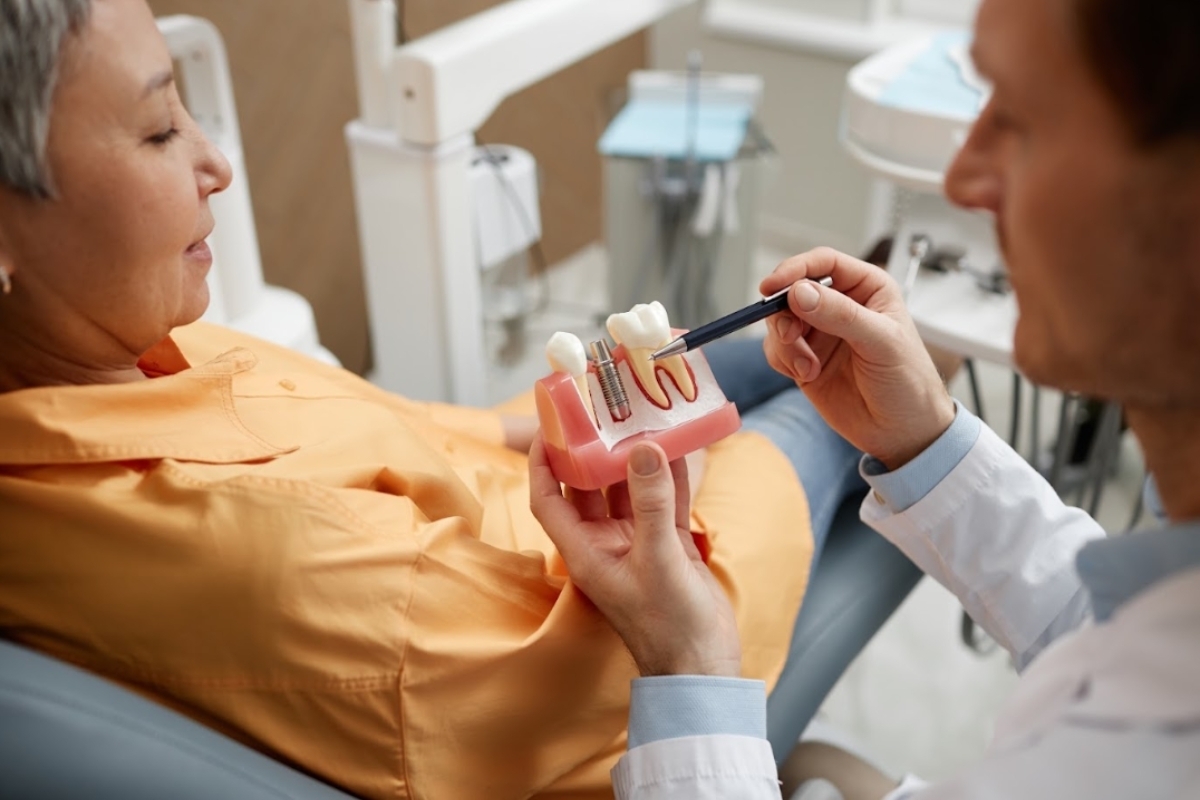
The best way to know for certain is a personalized evaluation, since every patient’s bone structure, medical history, and goals are different.
Dental Implants vs. Other Tooth Replacement Options
| Feature | Dental Implants | Bridges | Dentures |
|---|---|---|---|
| Lifespan | 20+ years | 5–15 years | 5–10 years |
| Affects nearby teeth | No | Yes | No |
| Bone preservation | Yes | No | No |
| Feel | Most natural | Natural | Less natural |
| Upfront cost | Higher | Moderate | Lower |
This comparison is a general guide your dentist can help you weigh which option fits your specific needs and budget.
Why Local Care Matters
Choosing a provider experienced with dental implants Scottsdale patients trust means working with a team that understands the full process from initial imaging and treatment planning to placement and aftercare.
At Pinnacle Peak Dentistry – Scottsdale, located in Scottsdale, AZ 85255, patients receive a thorough, personalized evaluation before any treatment decisions are made. This approach helps ensure implants are the right fit and that expectations are clear from day one.
Common Questions Patients Ask
Does getting a dental implant hurt?
Most patients report that the procedure itself is far more comfortable than expected, thanks to local anesthesia. Mild soreness afterward is normal and typically manageable with over-the-counter pain relief.
How long does the whole process take?
It varies by patient, but the full process from placement to final crown often takes a few months. This allows time for the implant to properly fuse with the jawbone.
Am I too old to get a dental implant?
There’s no upper age limit for implants. What matters most is overall health and bone density, not age itself. Many patients in their 70s and 80s successfully receive implants.
What if I don’t have enough jawbone?
A bone graft can build up the area to support an implant. This is a common, well-established step and doesn’t rule out candidacy it simply extends the timeline slightly.
How do I take care of an implant once it’s placed?
Implants are cared for just like natural teeth brushing, flossing, and regular dental visits. There’s no special routine required beyond good oral hygiene habits.
Will my insurance cover the cost? Coverage varies by plan. Many dental offices, including Pinnacle Peak Dentistry, can help review your benefits and discuss financing options during your consultation.
Final Thoughts
Dental implants offer a durable, natural-feeling solution for missing teeth, with benefits that often outweigh the initial cost and time investment for the right candidate. At the same time, understanding the potential drawbacks cost, timeline, and candidacy requirements helps you make an informed, confident decision.
If you’re weighing your options for dental implants Scottsdale families and individuals have relied on for years, the best next step is a one-on-one conversation with a dental professional who can evaluate your specific needs.
Schedule your appointment today with Pinnacle Peak Dentistry – Scottsdale, located in Scottsdale, AZ 85255, and take the first step toward a healthier, more confident smile.