Michael Schwartz, DMD

Are Dental Implants Really Permanent? What Most Patients Misunderstand

If you’ve been researching tooth replacement options, you’ve probably seen dental implants described as “permanent.” While that statement is partly true, it often leaves out important details patients should understand before starting treatment.
The titanium implant placed inside the jawbone is designed to function as a long-term replacement for a missing tooth root. In many cases, it can last for decades. However, the visible crown attached to the implant may eventually need replacement due to normal wear over time. Knowing the difference helps patients make informed decisions about their oral health and long-term investment.
For many adults dealing with missing teeth, dental implants have become one of the most trusted solutions because they look natural, feel stable, and help preserve jawbone health in ways traditional dentures cannot.
What Exactly Is a Dental Implant?
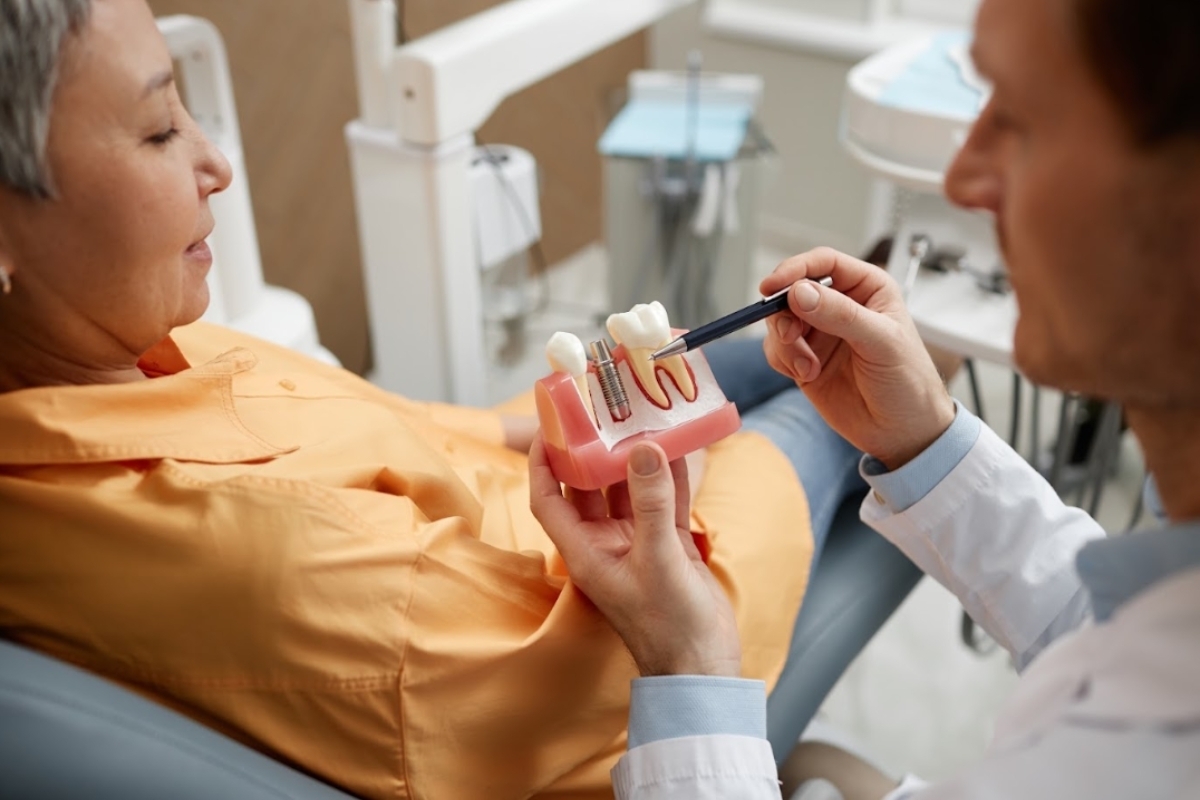
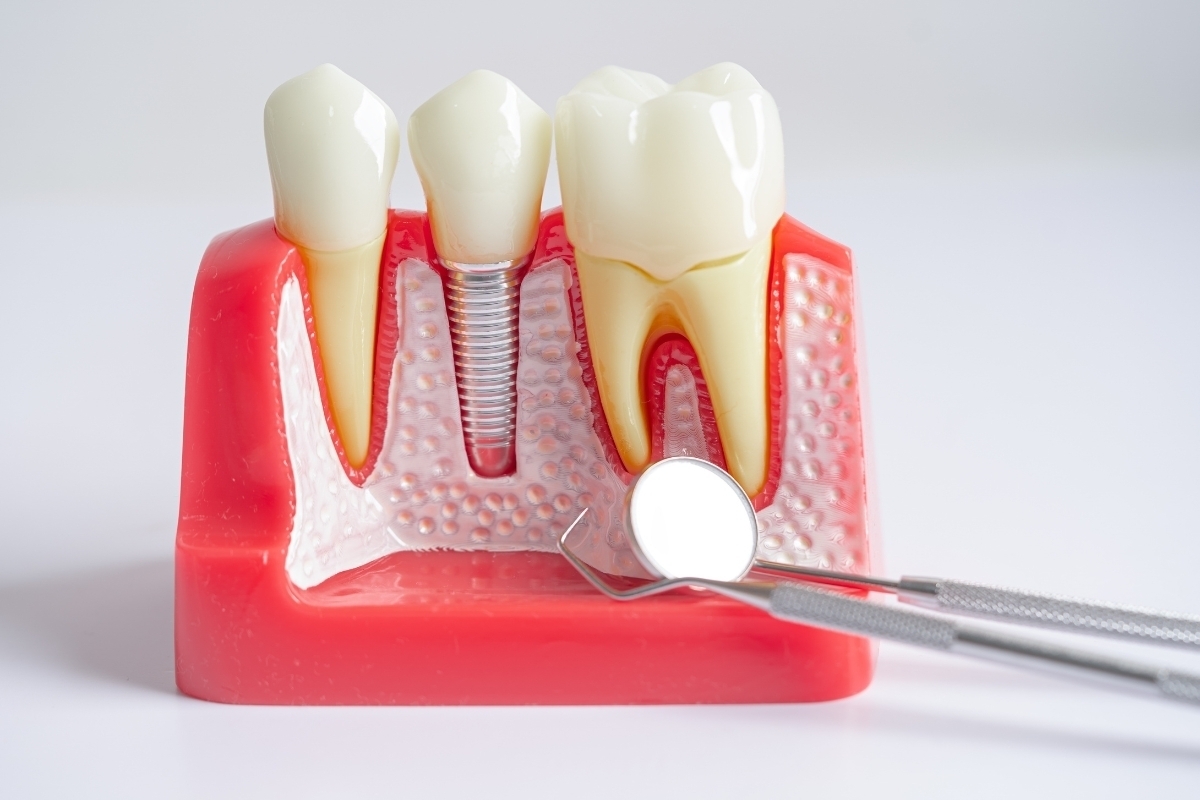
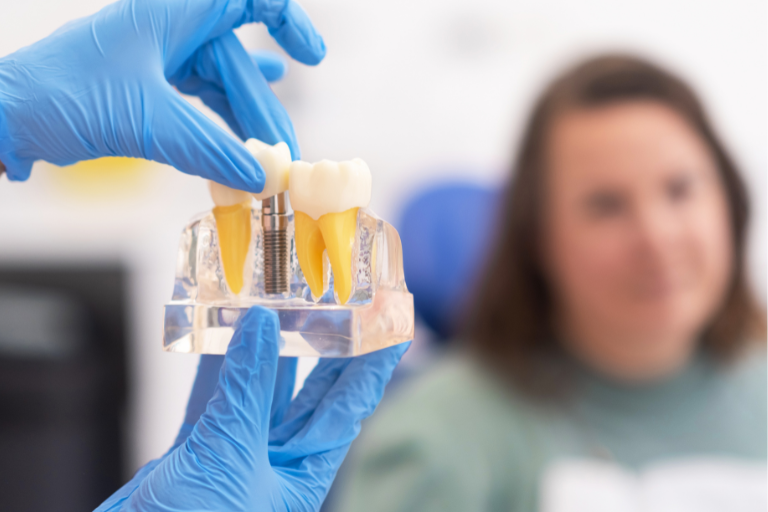
A dental implant is a small titanium post surgically placed into the jawbone where a tooth is missing. Over the next few months, the bone gradually fuses around the implant through a natural process called osseointegration.
Once healing is complete, the implant acts much like a natural tooth root. An abutment connector is attached to the implant, followed by a custom dental crown designed to match the surrounding teeth.
This structure gives implants their strength and stability. Unlike removable dentures, implants do not shift while eating or speaking. Unlike bridges, they do not rely on neighboring teeth for support.
Many patients searching for dental implants in Scottsdale choose implants because they want a solution that feels secure and allows them to eat comfortably without worrying about slipping appliances.
Are Dental Implants Truly Permanent?
The answer depends on which part of the implant system you’re talking about.
The implant post itself is designed to be extremely durable. Studies continue to show high long-term success rates for properly placed implants in healthy patients. With excellent oral hygiene and regular dental visits, many implants remain successful for 20 years or longer.
The crown, however, experiences everyday wear from chewing, grinding, temperature changes, and pressure. Just like natural teeth or traditional crowns, implant crowns may eventually require replacement after 10 to 20 years.
That doesn’t mean the implant failed. In most cases, the implant foundation remains healthy and stable while only the visible restoration is updated.
This distinction is one of the biggest misunderstandings patients have when researching dental implants.
Why Dental Implants Last Longer Than Other Options
One major advantage of dental implants is that they replace both the visible tooth and the root underneath the gums.
Traditional dentures rest on top of the gums and do not stimulate the jawbone. Over time, the bone beneath missing teeth begins to shrink. This bone loss can eventually change facial appearance and affect denture fit.
Dental bridges fill the gap left by missing teeth, but they require nearby healthy teeth to be reshaped and used as anchors.
Dental implants work differently. Because the implant integrates directly with the jawbone, it helps maintain bone structure and supports long-term oral stability.
Patients exploring dental implants in Scottsdale often choose implants because they want a more natural-feeling solution that also protects their long-term dental health.
Factors That Affect Implant Longevity
While implants are highly successful, their longevity still depends on several important factors.
Oral Hygiene Habits
Daily brushing, flossing, and professional cleanings are essential. Bacteria can still accumulate around implants and lead to peri-implantitis, an inflammatory condition that can damage supporting bone.
Smoking and Tobacco Use
Smoking significantly increases the risk of implant complications and delayed healing, especially during the first several months after surgery.
Teeth Grinding
Patients who clench or grind their teeth place additional pressure on implant crowns, which may shorten the lifespan of restorations.
Overall Health
Conditions like uncontrolled diabetes or autoimmune disorders may affect healing and long-term implant success.
Proper Treatment Planning
Successful implant placement requires experience, precision, and detailed imaging. Modern dental technology allows providers to evaluate bone structure carefully before surgery.
Many practices offering dental implants in Scottsdale use cone beam CT imaging to create highly accurate treatment plans tailored to each patient’s anatomy.
What the Implant Process Looks Like
One reason some patients delay treatment is because they assume implants are painful or complicated. In reality, most patients report the procedure feels easier than expected.
The process usually includes:
- Comprehensive consultation and digital imaging
- Implant placement procedure
- Healing period for osseointegration
- Placement of the final custom crown
Healing time varies by patient, but the full process commonly takes several months. Some patients may also require bone grafting if bone loss has already occurred.
Despite the timeline, many patients feel the long-term comfort and stability are well worth the investment.
Why More Adults Are Choosing Dental Implants
Tooth loss affects more than appearance. Missing teeth can change speech patterns, make chewing difficult, and impact self-confidence in social and professional situations.
Many adults today are looking for long-term dental solutions that fit active lifestyles. Whether enjoying restaurants around North Scottsdale, attending business meetings, or spending time outdoors with family, patients often want teeth that feel dependable throughout daily life.
That’s one reason demand for dental implants continues to grow among adults seeking functional and natural-looking tooth replacement options.
Patients also appreciate that implants help maintain facial support and reduce the bone deterioration commonly associated with long-term tooth loss.
Final Thoughts
Dental implants are one of the most advanced and reliable tooth replacement options available today. While no dental restoration lasts forever without maintenance, implants offer exceptional long-term success when properly cared for.
Understanding what “permanent” really means helps patients set realistic expectations and make confident decisions about treatment.
If you’re considering dental implants and want a personalized evaluation, the team at Pinnacle Peak Dentistry provides comprehensive implant consultations using advanced technology and patient-focused care. Schedule your appointment today to learn whether implants are the right solution for restoring your comfort, confidence, and oral health.
FAQs
Does getting a dental implant hurt?
The procedure is performed under local anesthesia, and many patients experience only mild soreness afterward. Most discomfort is manageable with over-the-counter medication.
How long do dental implants last?
The implant itself may last decades with proper care. The crown attached to the implant may eventually need replacement due to normal wear.
Can older adults get implants?
Yes. Age alone does not disqualify someone from implant treatment. Overall oral health and bone quality are more important factors.
Are implants difficult to clean?
Not at all. Implants should be brushed and flossed just like natural teeth. Regular dental cleanings remain important.
Are dental implants worth the investment?
Many patients feel implants are worthwhile because of their durability, stability, and natural appearance compared to removable alternatives.