Michael Schwartz, DMD

Can You Get Dental Implants Years After Losing a Tooth?

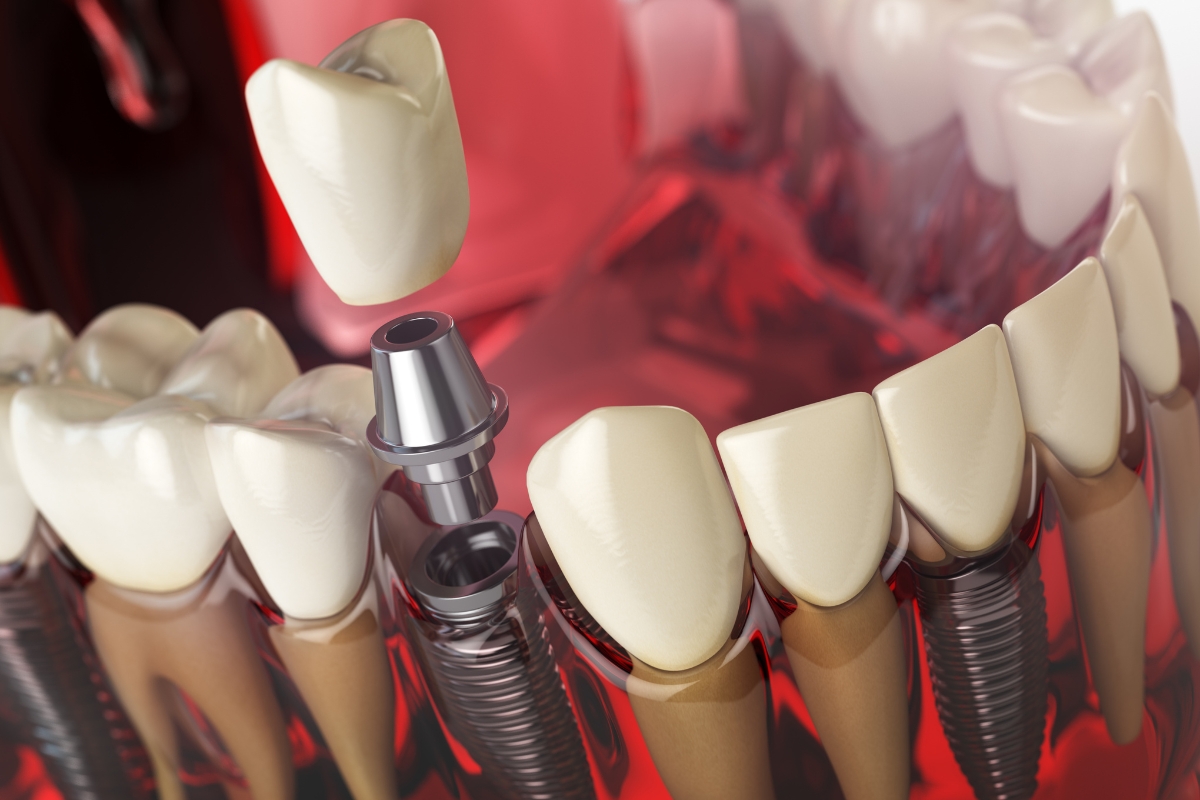
Losing a tooth can feel like a distant memory once you’ve adjusted to the gap but that doesn’t mean it’s too late to do something about it. Many patients assume that if too much time has passed, the option for a permanent fix is off the table. The good news? Dental implants can often be placed successfully even years after tooth loss, restoring both function and confidence.
If you’ve been living with a missing tooth and wondering whether it’s “too late,” this guide will walk you through what really happens to your mouth over time, what your options look like today, and how a qualified dental team can help you get back to a full, healthy smile.
What Happens When a Tooth Is Missing for a Long Time?
When a tooth is lost and not replaced, the jawbone in that area no longer receives the stimulation it needs to stay strong. Over months and years, this can lead to:
- Bone resorption (gradual loss of jawbone density and volume)
- Shifting of neighboring teeth into the empty space
- Changes in bite alignment and chewing efficiency
- A sunken appearance in the cheek or jaw area
This is why dentists often recommend addressing tooth loss sooner rather than later. However, even if years have gone by, dental implants remain a viable and often ideal solution it just may require an extra step or two.
Can You Still Get Dental Implants After Years of Tooth Loss?
Yes in most cases, patients can absolutely receive dental implants even long after losing a tooth. Modern dentistry has developed reliable techniques to work around bone loss and prepare the mouth for a successful implant.
Bone Grafting: Rebuilding the Foundation
If significant bone loss has occurred, your dentist may recommend a bone graft before implant placement. This procedure:
- Adds bone material to rebuild the jaw’s density and shape
- Creates a stable foundation for the implant post
- Typically requires a few months of healing before the implant is placed
Sinus Lifts for Upper Jaw Cases
For missing upper back teeth, a sinus lift may be needed if the sinus cavity has expanded into the space once occupied by tooth roots. This procedure gently raises the sinus floor to make room for adequate bone.
3D Imaging for Precise Planning
Advanced digital scans allow dentists to map out bone quality and volume in detail, ensuring the implant is placed in the safest, most effective position even in more complex, long-term tooth loss cases.
Why Dental Implants Are Worth Considering, Even Years Later
Choosing to move forward with dental implants even after a long delay offers several meaningful benefits:
- Restored chewing function: Implants act like natural tooth roots, allowing you to eat comfortably again.
- Prevention of further bone loss: Implants stimulate the jawbone, helping to preserve its structure going forward.
- Improved facial appearance: Filling the gap can help restore natural facial contours.
- Long-term durability: With proper care, implants can last decades.
- Boosted confidence: A complete smile often makes a real difference in how people feel day to day.
What to Expect During Your Consultation
Every patient’s situation is different, especially when tooth loss has occurred over an extended period. A thorough consultation typically includes:
- A review of your dental and medical history
- X-rays or 3D imaging to assess bone volume
- A discussion of whether bone grafting or a sinus lift is needed
- A personalized treatment timeline and cost overview
This step-by-step approach ensures that your dental implants are planned with precision, reducing surprises and setting you up for a smooth recovery.
Is It Ever “Too Late” for Dental Implants?
In the vast majority of cases, no, it’s rarely too late. Even patients who have gone a decade or more without replacing a missing tooth can often qualify for implants once bone health is evaluated and, if needed, restored through grafting.
That said, the longer you wait, the more preparation may be required. This is why reaching out for an evaluation sooner rather than later can simplify the process and may reduce both treatment time and cost.
Common Questions Patients Ask
Does it hurt to get a dental implant after years of waiting?
Most patients report only mild discomfort, similar to a tooth extraction, and it’s well managed with local anesthesia and standard aftercare guidance.
How long does the whole process take if bone grafting is needed?
Timelines vary, but bone grafting typically adds three to six months of healing before the implant itself can be placed and allowed to integrate with the jawbone.
Will my insurance help cover the cost?
Coverage varies by plan and provider. Our team can help review your benefits and walk you through financing options during your consultation.
Am I too old to get a dental implant?
Age alone rarely disqualifies someone. What matters most is having healthy gums, adequate bone support (or the ability to build it), and overall good general health.
What if I’ve already lost several teeth over time?
Multiple missing teeth can often be addressed with implant-supported bridges or dentures, which restore full function without needing a separate implant for every tooth.
Can I just get a bridge or denture instead?
Bridges and dentures are valid options, but they don’t stop bone loss the way implants do and may need more frequent replacement over the years.
Ready to Explore Your Options?
If you’ve been putting off replacing a missing tooth because you thought it was too late, it’s worth having a conversation with a dental professional who can evaluate your specific situation. Bone grafting, sinus lifts, and modern imaging have made dental implants accessible to far more patients than in years past.
At Pinnacle Peak Dentistry – Scottsdale, located in Scottsdale, AZ 85255, our team takes the time to assess your bone health, walk you through your options, and create a treatment plan tailored to your goals. Schedule your appointment today and take the first step toward restoring your smile no matter how long you’ve been waiting.