Michael Schwartz, DMD

How Advanced 3D Imaging Improves Dental Implant Placement

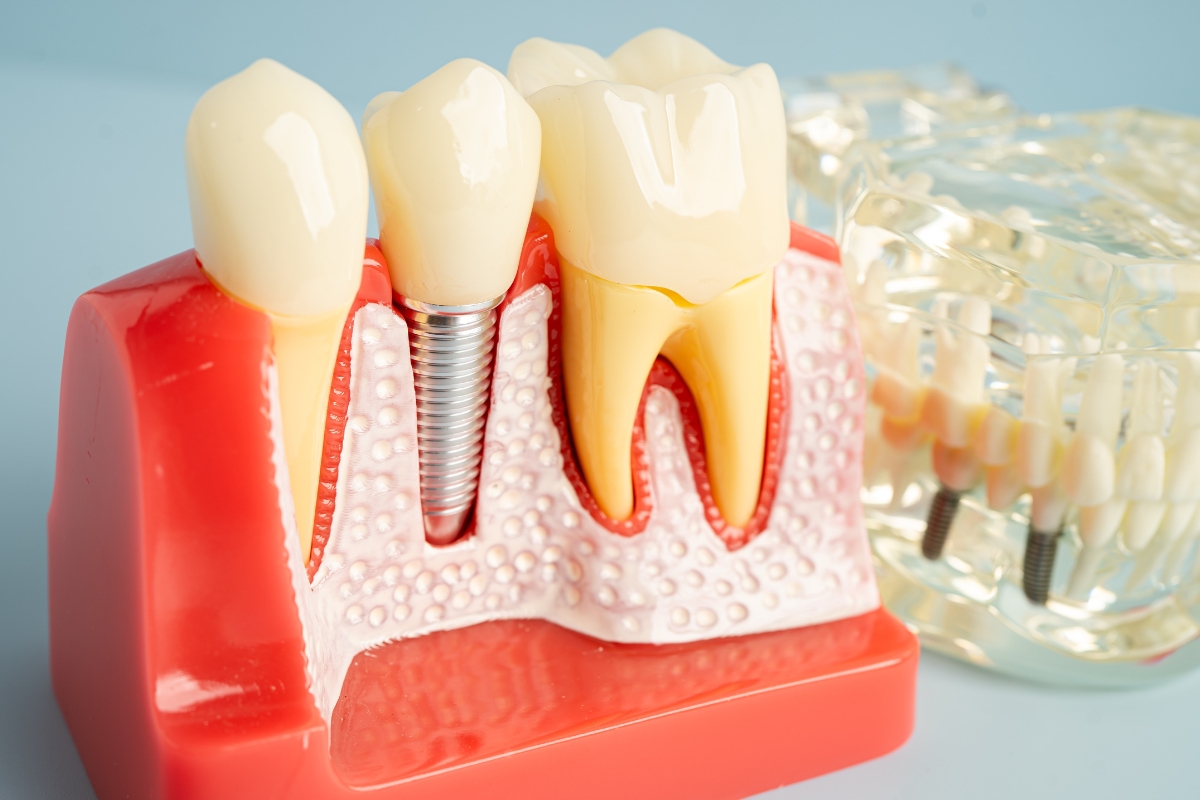
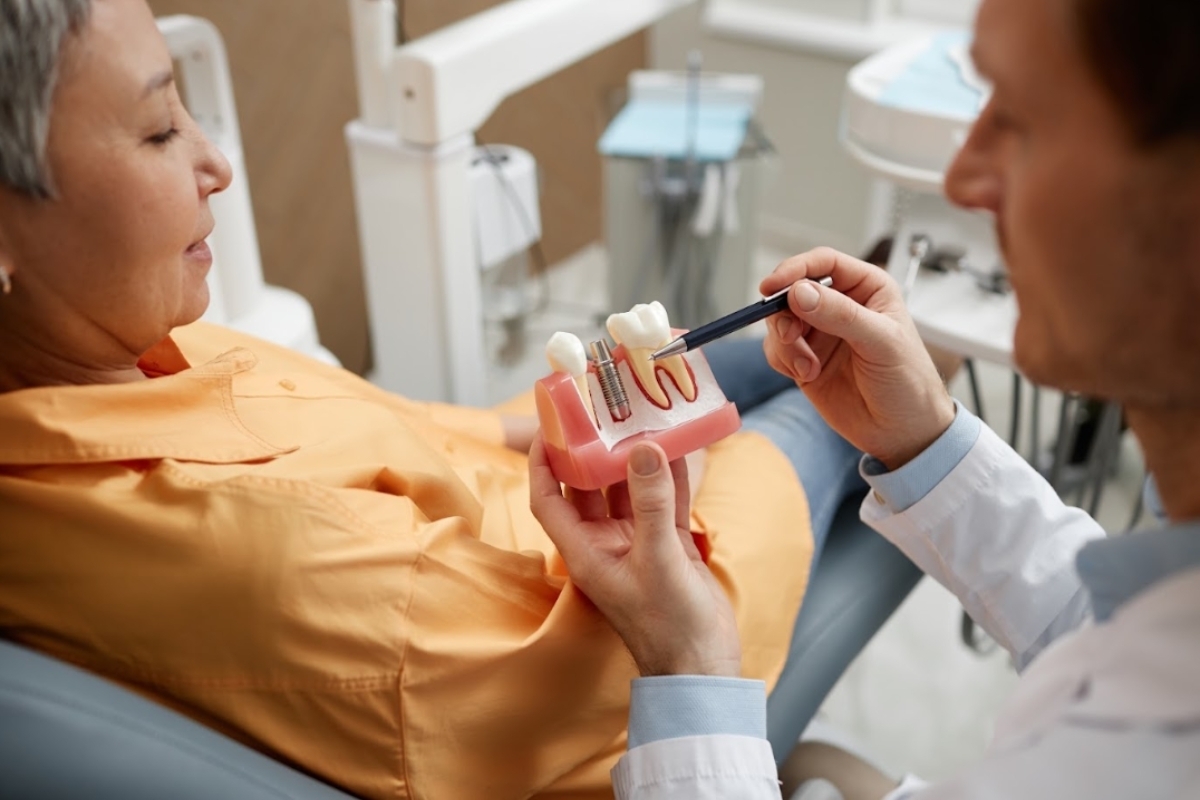
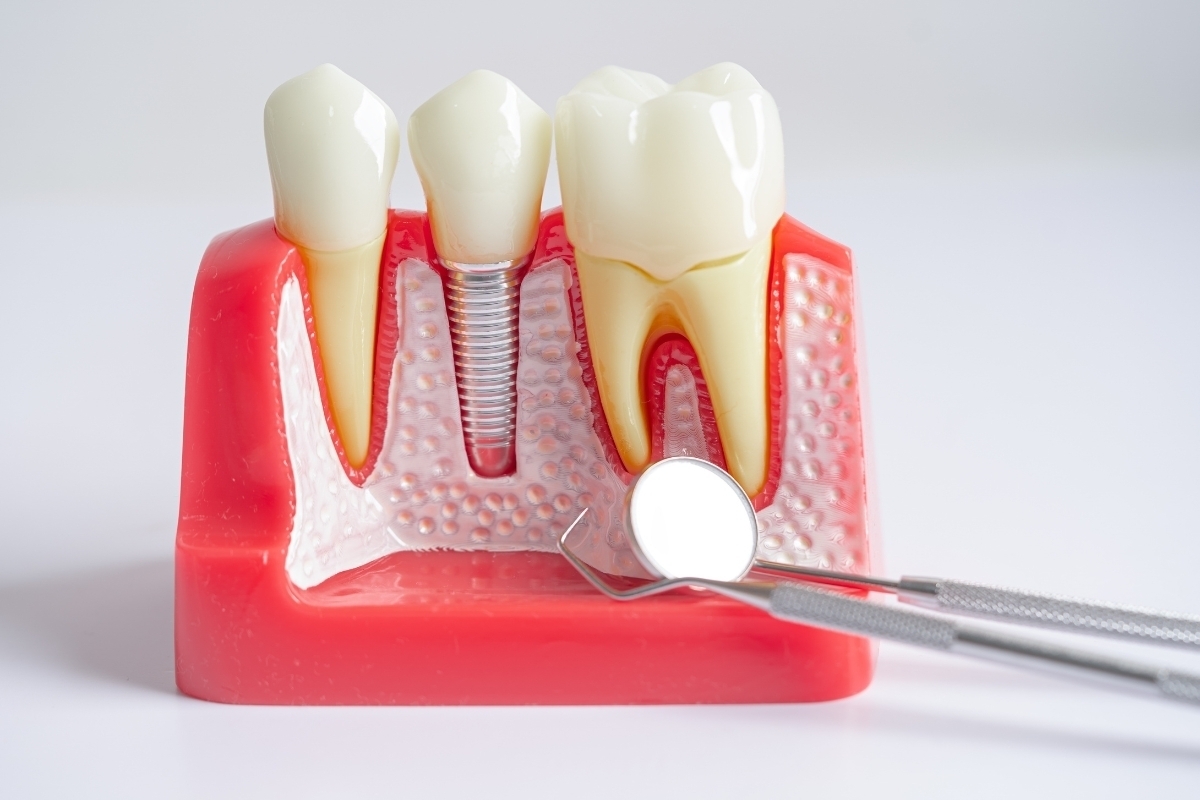
Missing a tooth can feel like more than a cosmetic issue it can affect how you chew, speak, and smile with confidence. Dental implants have long been the gold standard for replacing missing teeth, but the real difference between an average result and an exceptional one often comes down to planning.
This is where 3D dental implant planning changes the game. Instead of relying on flat, two-dimensional X-rays, dentists can now use detailed 3D scans to map out your jaw, nerves, and bone structure before a single incision is made.
At Pinnacle Peak Dentistry – Scottsdale, we use advanced 3D imaging technology to make implant placement safer, faster, and more predictable. Let’s look at how this technology works and why it matters for your smile.
What Is 3D Dental Implant Planning?
3D dental implant planning uses cone-beam computed tomography (CBCT) to create a three-dimensional model of your teeth, jawbone, and surrounding nerves.
Unlike traditional 2D X-rays, this technology allows your dentist to:
- View bone density and volume from every angle
- Identify the exact location of nerves and sinus cavities
- Plan the ideal implant size, angle, and depth
- Simulate the entire procedure digitally before treatment begins
In simple terms, it’s like having a detailed roadmap instead of guessing which turn to take.
Why Traditional X-Rays Fall Short
For decades, dentists relied on standard X-rays to plan implant surgery. While helpful, these images only show a flat, single-angle view of the mouth.
This can make it difficult to accurately judge:
- How much bone is actually available for the implant
- The precise distance to nerves or the sinus floor
- Subtle variations in jawbone shape
These limitations sometimes led to complications, longer healing times, or less-than-ideal implant positioning.
How 3D Imaging Improves Accuracy and Safety
Precise Nerve and Sinus Mapping
One of the biggest advantages of 3D dental implant planning is the ability to clearly see the location of nerves and sinus cavities. This significantly reduces the risk of nerve damage or sinus complications during surgery.
Custom Implant Positioning
Every patient’s jaw is different. With 3D imaging, your dentist can determine the ideal implant angle and depth for your specific anatomy, rather than relying on general estimates.
Better Bone Assessment
3D scans reveal bone density and volume in detail, helping determine whether a patient is a good candidate for implants right away or may benefit from bone grafting first.
Reduced Surgery Time
Because the entire procedure is planned digitally in advance, the actual surgical appointment tends to be faster and more efficient, with fewer surprises along the way.
Improved Long-Term Success Rates
Accurate planning leads to implants that are positioned correctly the first time, which supports better healing, stability, and long-term function.
The 3D Implant Planning Process at Pinnacle Peak Dentistry
If you’re considering implants, here’s what the process typically looks like:
- Initial Consultation: Discuss your goals, medical history, and expectations.
- 3D Scan (CBCT Imaging): A quick, painless scan captures detailed images of your jaw.
- Digital Treatment Planning: Your dentist uses specialized software to map the ideal implant placement.
- Guided Implant Surgery: Using the 3D plan, the implant is placed with precision.
- Healing and Restoration: Once integrated, a custom crown or restoration completes your smile.
This step-by-step approach helps ensure a smoother experience from start to finish.
Who Benefits Most from 3D Implant Planning?
While nearly every implant patient benefits from 3D dental implant planning, it’s especially valuable for those with:
- Lower bone density
- Previous tooth loss for several years
- Complex cases involving multiple implants
- Close proximity to nerves or sinus cavities
- A desire for a faster, more predictable recovery
If you fall into any of these categories, advanced imaging can offer extra peace of mind.
Why Choose Pinnacle Peak Dentistry – Scottsdale
At Pinnacle Peak Dentistry, located in Scottsdale, AZ 85255, we combine advanced technology with a patient-first approach. Our team takes the time to walk you through your 3D scan, explain your options in plain language, and design a treatment plan tailored specifically to your needs.
We believe informed patients make confident decisions and confident patients heal better.
Final Thoughts
Dental implant success starts long before the day of surgery. With 3D dental implant planning, your treatment is backed by precise imaging, thoughtful planning, and a personalized approach designed around your unique anatomy.
If you’re exploring implants and want a safe, accurate, and comfortable experience, our team is here to help.
Schedule your appointment today at Pinnacle Peak Dentistry – Scottsdale and take the first step toward a healthier, more confident smile.
Questions Patients Often Ask
Is the 3D scan uncomfortable or time-consuming?
Not at all. The scan is quick, painless, and typically takes just a few minutes to complete.
Does 3D imaging mean I’ll need surgery right away?
No. The scan simply helps your dentist evaluate your candidacy and plan appropriately it doesn’t commit you to immediate treatment.
Will 3D planning make my recovery easier?
Many patients experience smoother healing because the implant is placed with greater precision, reducing unnecessary tissue disruption.
How is this different from a regular dental X-ray?
While standard X-rays show a flat image, 3D imaging provides a full view of your jaw from multiple angles, allowing for far more accurate planning.
Is 3D implant planning more expensive?
In many cases, the added precision helps prevent complications that could lead to additional costs down the road, making it a valuable long-term investment.
What if I don’t have enough bone for an implant?
3D imaging can identify low bone density early, allowing your dentist to discuss options like bone grafting before moving forward with treatment.