Michael Schwartz, DMD

Dental Crowns Guide: Benefits, Types, Procedure and Care Explained

Dental crowns are versatile restorations that offer both functional and aesthetic benefits. They play a significant role in preserving teeth that may otherwise require extraction. In this blog, we’ll explore how dental crowns impact dental care, their advantages, and what to expect when you need one.
What Are Dental Crowns?
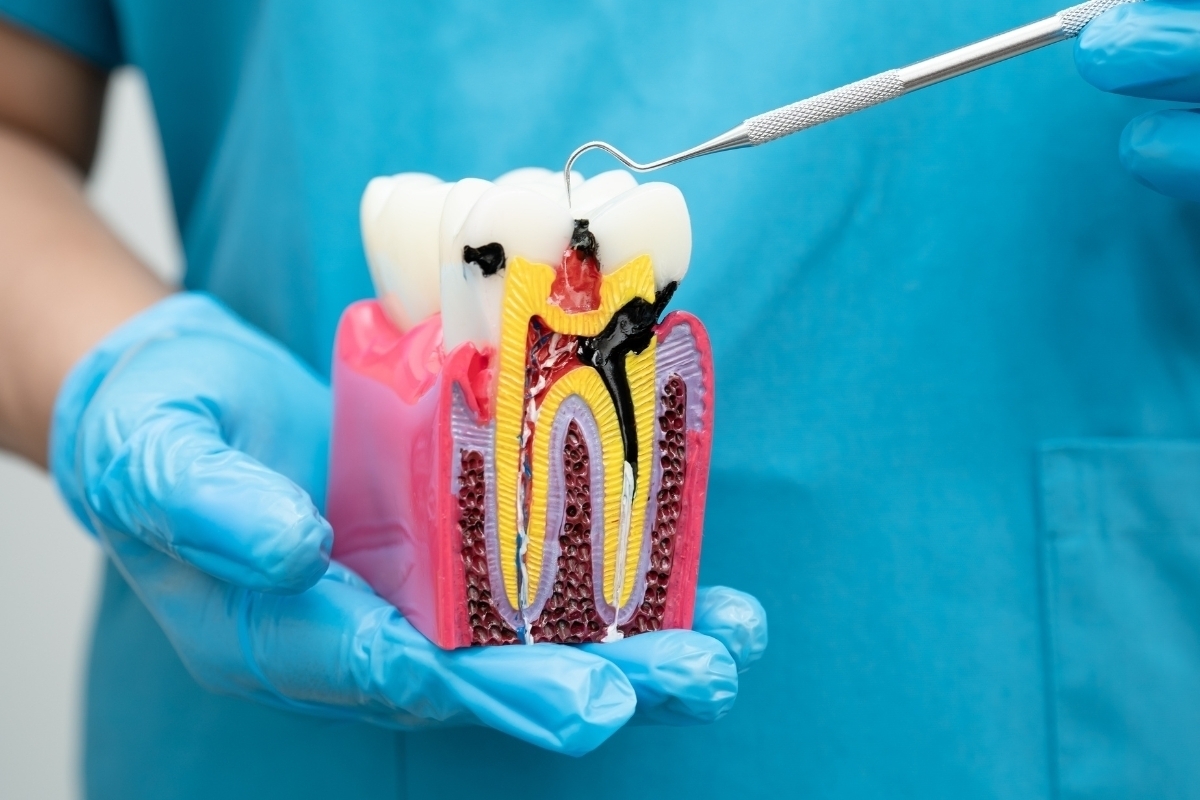
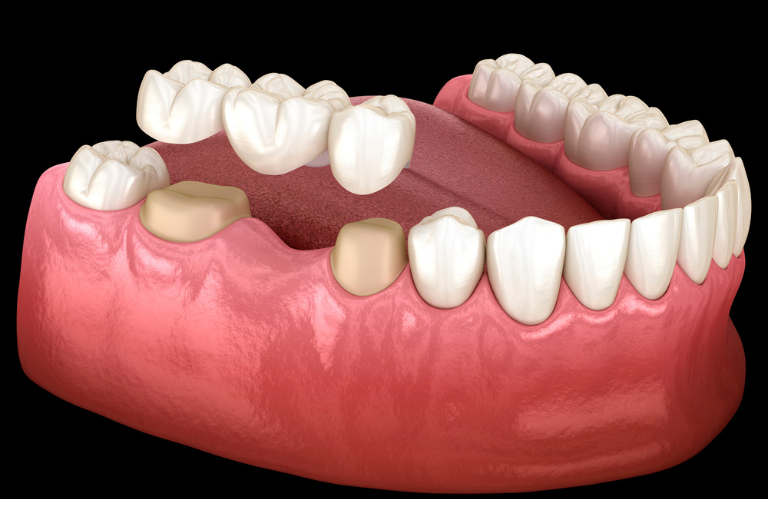
A dental crown is a custom-made cap placed over a damaged or weakened tooth. It restores the tooth’s strength, shape, and appearance. Whether due to decay, fractures, or wear, dental crowns in Scottsdale provide long-lasting solutions to protect your smile.
How Do Dental Crowns Enhance Dental Care?
Dental crowns are vital in maintaining oral health. They help:
- Preserve Tooth Structure: Crowns save teeth that are too damaged for fillings but not bad enough for extraction.
- Strengthen Teeth: They reinforce weak or cracked teeth, allowing them to function normally again.
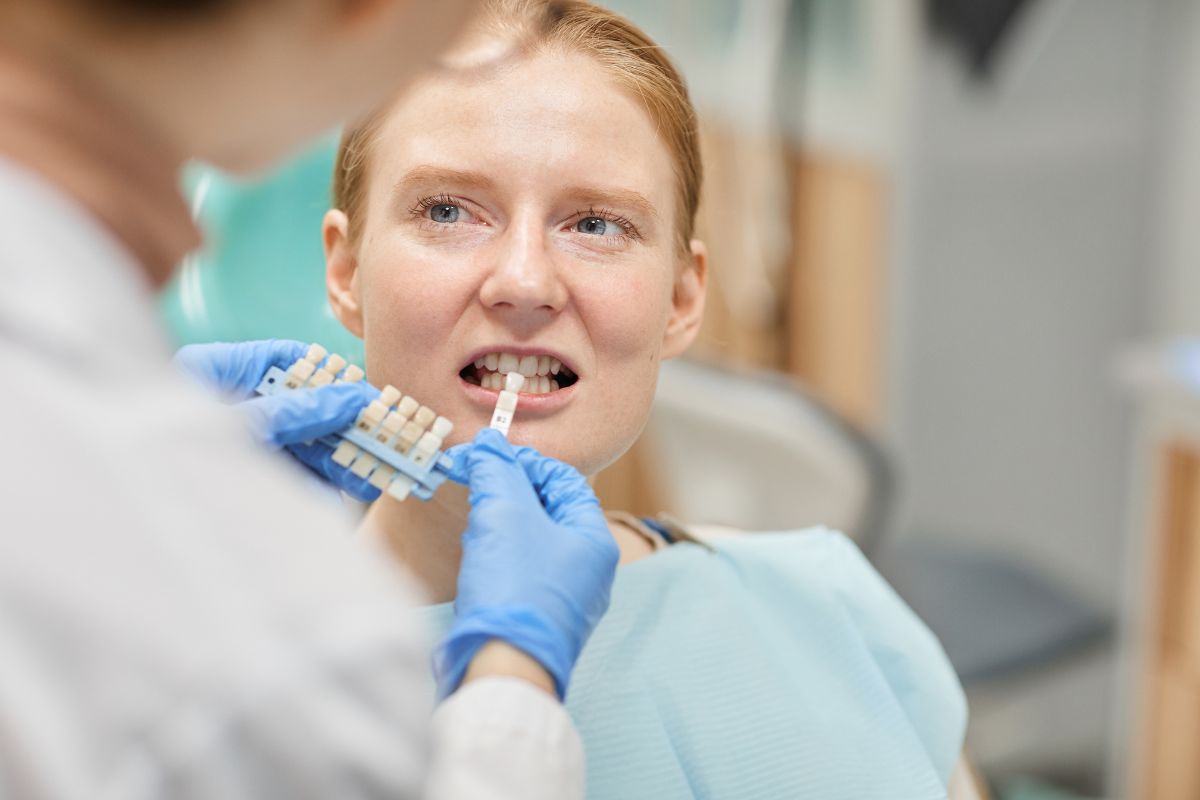
- Improve Appearance: Crowns cover imperfections, such as discoloration or misshapen teeth, creating a uniform, attractive smile.
These benefits make dental crowns indispensable in modern dental care.
Types of Dental Crowns
Dental crowns come in various materials, each with its own benefits:
- Porcelain Crowns: Ideal for front teeth, porcelain mimics the natural tooth color.
- Metal Crowns: Strong and durable, often used for molars where strength is essential.
- Porcelain-Fused-to-Metal Crowns: Combines strength with aesthetics, offering a natural look and durability.
- Zirconia Crowns: Aesthetic and strong, zirconia is gaining popularity for both front and back teeth.
Each type has its own use case, and your dentist will recommend the best option based on your needs.
The Role of Dental Crowns in Preventive Care
Dental crowns in Scottsdale aren’t just restorative; they also play a crucial role in preventive dental care. Crowns protect teeth from further damage, preventing the need for more extensive procedures like root canals or extractions. By reinforcing a weakened tooth, crowns stop cracks from worsening and protect the tooth from harmful bacteria.
The Dental Crown Procedure: What to Expect
The process of getting a dental crown is straightforward:
- Consultation and Examination: Your dentist evaluates the tooth and may take X-rays to check the extent of damage.
- Tooth Preparation: The tooth is shaped to allow room for the crown. Any decay is removed.
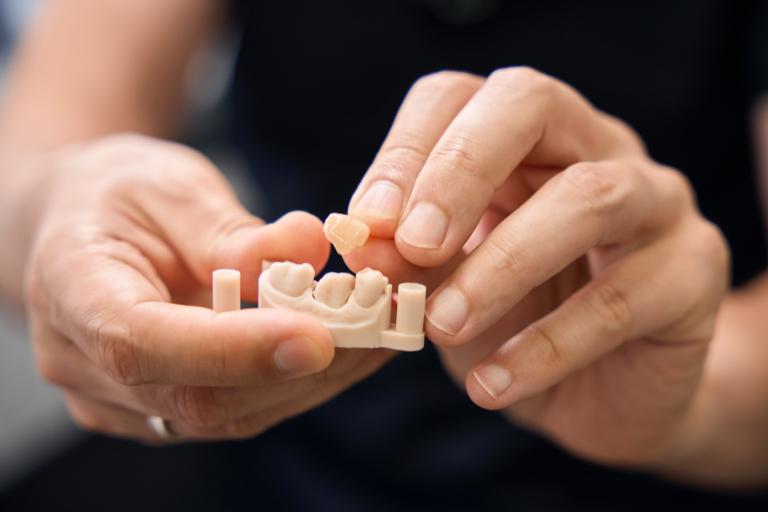
- Impressions: A mold is taken of your tooth, and a temporary crown is placed while your permanent crown is made.
- Fitting the Crown: At the next visit, the permanent crown is fitted and adjusted for comfort.
This process typically takes two visits, with the result being a restored, healthy tooth.
Caring for Dental Crowns
Caring for your dental crowns is crucial to ensuring their longevity. Here are a few simple tips:
- Brush Twice Daily: Use a soft-bristled toothbrush and non-abrasive toothpaste to clean around the crown.
- Floss Daily: Flossing helps prevent gum disease and plaque buildup around the crown.
- Avoid Hard Foods: Biting on hard foods like ice can damage the crown.
- Visit Your Dentist Regularly: Regular check-ups ensure your crown and surrounding teeth stay in good condition.
With proper care, dental crowns in Scottsdale can last 10-15 years or even longer.
Benefits of Dental Crowns Beyond Protection
Aside from strengthening and protecting teeth, dental crowns offer several secondary benefits:
- Enhanced Confidence: With a crown covering imperfections, you’ll feel more confident in your smile.
- Restored Functionality: Crowns restore your ability to bite and chew naturally.
- Reduced Sensitivity: Crowns can reduce tooth sensitivity to hot and cold foods.
These additional perks make crowns a valuable investment for your overall oral health.
Conclusion: Are Dental Crowns Right for You?
If you’re dealing with a cracked, decayed, or worn tooth, dental crowns in Scottsdale might be the solution you need. They offer both immediate and long-term benefits, from protecting teeth to enhancing your smile. Crowns not only address current dental issues but also prevent future problems.
Dental crowns play a vital role in protecting and restoring your teeth, improving both function and aesthetics. Whether you need to repair a damaged tooth or enhance your smile, dental crowns in Scottsdale offer a durable and natural-looking solution tailored to your needs. At Pinnacle Peak Dentistry, we’re dedicated to helping you achieve a healthy, confident smile with expert care and advanced techniques.
Ready to transform your dental health? Request an Appointment or call us at (480) 585-3065 to learn how dental crowns can benefit you.
FAQs
1. What is a dental crown and why is it needed?
A dental crown is a custom-made cap that covers a damaged, weakened, or decayed tooth. It is needed to restore strength, function, and aesthetics especially when a tooth cannot be repaired with a filling alone.
2. How long do dental crowns last?
With proper care, dental crowns typically last 10–15 years, but high-quality materials like zirconia or porcelain-fused-to-metal can last even longer.
3. Does getting a dental crown hurt?
The procedure is generally painless, as dentists use local anesthesia during tooth preparation. Mild soreness afterward is normal and usually temporary.
4. Can dental crowns prevent tooth extraction?
Yes. Crowns help preserve natural teeth by protecting them from further damage, which may prevent the need for extraction or more complex treatments.
5. How do I care for my dental crown?
To care for a crown, brush twice daily, floss regularly, avoid chewing hard foods, and schedule routine dental checkups to ensure the crown stays in excellent condition.
6. What problems can dental crowns fix?
Crowns can repair cracked, worn, misshapen, severely decayed, or discolored teeth, and they restore biting and chewing function while improving appearance.