Michael Schwartz, DMD

Thinking About a Dental Crown? Here’s What You Need to Know

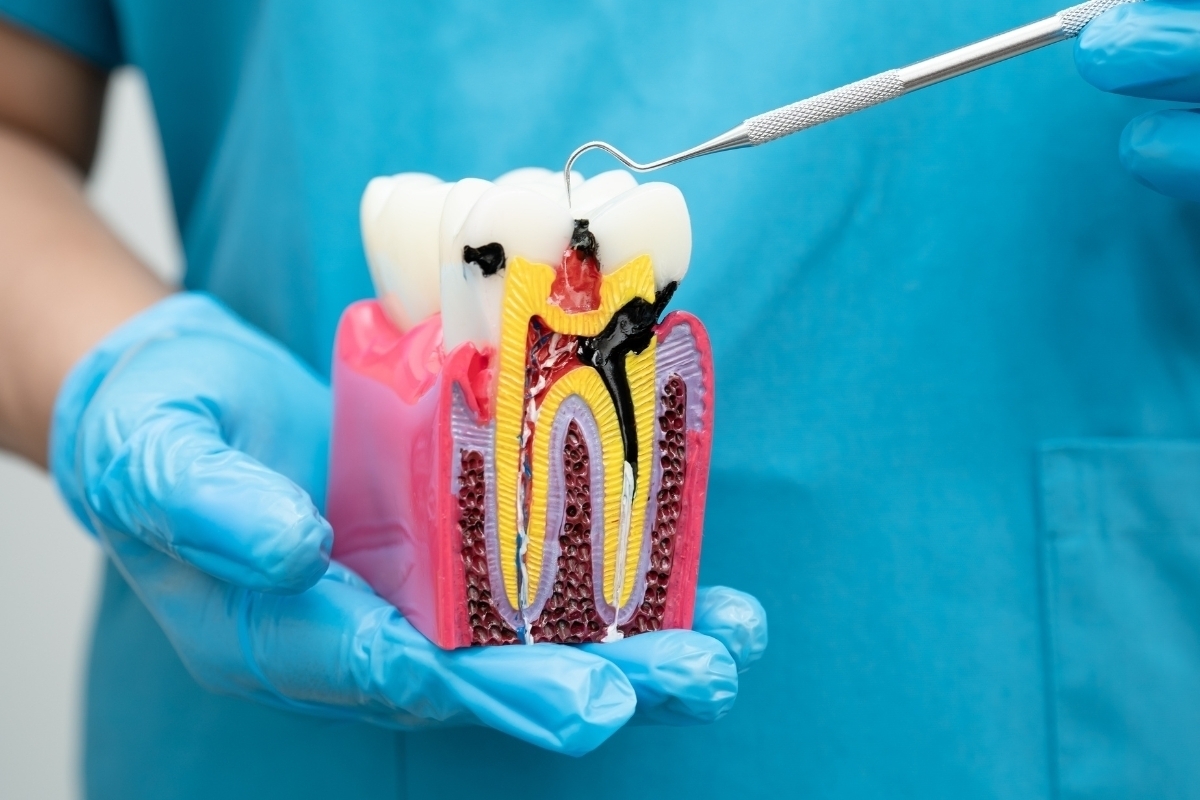
If you’ve recently been told that a dental crown might be the best solution for your smile, you might be wondering exactly what that means. Dental crowns are one of the most common restorative treatments in modern dentistry, designed to strengthen, protect, and restore the appearance of damaged teeth. But beyond the basics, there’s a lot to know to make sure you feel confident in your choice and understand what to expect.
Whether you’re dealing with a cracked tooth, a large filling that needs support, or simply want to improve the aesthetics of your smile, understanding the process and benefits of crowns can help you make an informed decision. And for residents considering dental crowns in Scottsdale, having a trusted local dental office can make all the difference.
What Is a Dental Crown?
A dental crown is essentially a “cap” that covers a tooth to restore its shape, size, strength, and appearance. Crowns can be made from several materials, including porcelain, ceramic, metal, or a combination of materials. Each option has unique benefits depending on your dental needs and aesthetic goals.
Crowns are typically used to:
- Protect a weakened tooth from breaking
- Restore a broken or severely worn-down tooth
- Cover and support a tooth with a large filling
- Improve the appearance of a discolored or misshapen tooth
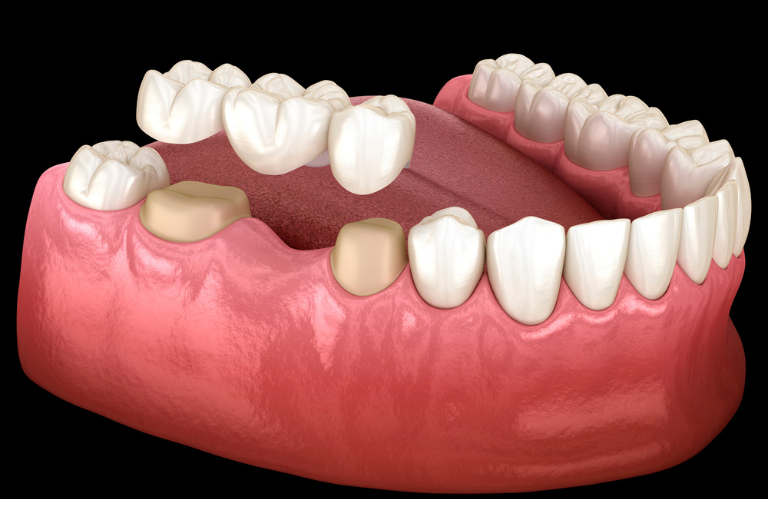
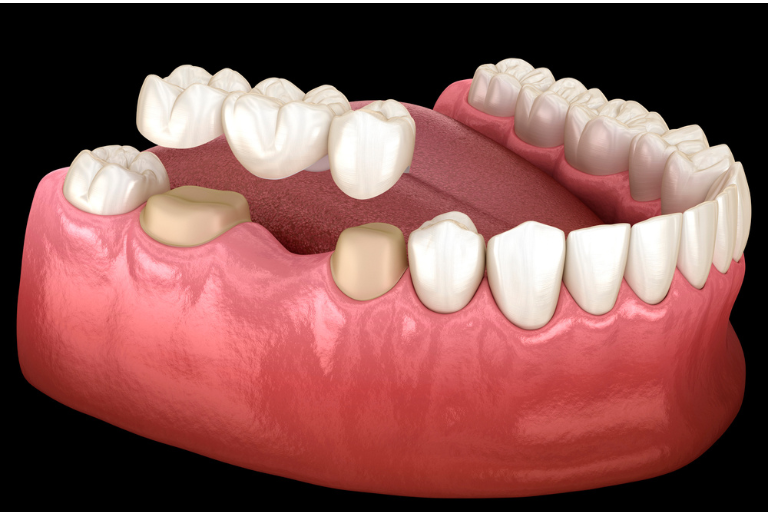
- Anchor a dental bridge in place
The Process of Getting a Crown
Getting a dental crown usually involves two visits to your dentist. Here’s what you can generally expect:
- Initial Consultation: During this appointment, your dentist will examine your tooth, take X-rays, and discuss your options. If the tooth requires treatment (like a root canal), that will typically be completed first.
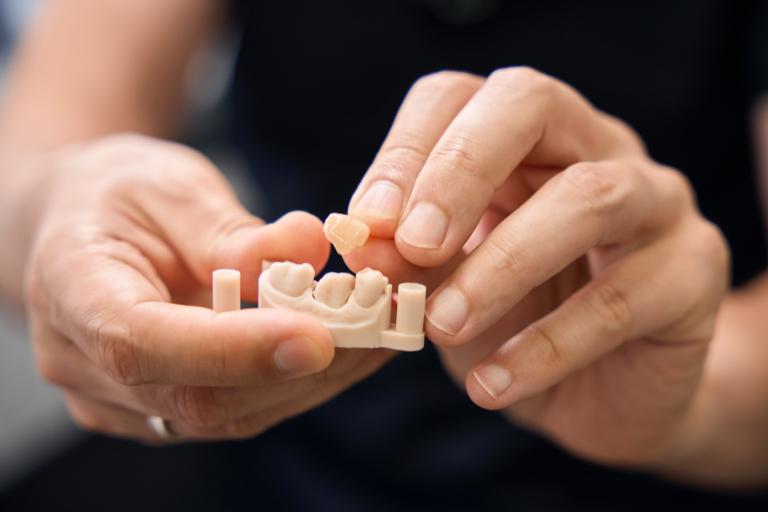
- Tooth Preparation: Your dentist will reshape the tooth to make room for the crown. Impressions of your teeth are taken to create a custom-fit crown that matches your natural bite and smile.
- Temporary Crown: A temporary crown is often placed while your permanent one is being made. This protects the tooth and maintains functionality in the meantime.
- Crown Placement: Once the permanent crown is ready, your dentist will ensure the fit, color, and shape are perfect before cementing it in place.
For many Scottsdale residents, this process can be completed efficiently with the help of a modern dental office equipped with advanced technology, ensuring comfort and precision.
Benefits of Dental Crowns
Dental crowns offer a variety of benefits beyond simply restoring a tooth. Some advantages include:
- Durability: Modern crowns are made to last many years, allowing you to enjoy your natural bite and chewing power.
- Aesthetic Improvement: Porcelain and ceramic crowns can be color-matched to blend seamlessly with your natural teeth.
- Protection: Crowns prevent further damage to weakened teeth, helping you avoid more extensive procedures later.
- Improved Functionality: Crowns restore normal chewing and speaking ability, which can be compromised by damaged teeth.
Choosing the Right Crown Material
When considering dental crowns, it’s important to discuss material options with your dentist. Each type of crown offers different benefits:
- Porcelain/Ceramic: Best for front teeth due to their natural appearance
- Metal: Extremely durable and ideal for molars that endure heavy chewing
- Porcelain-fused-to-metal: Combines strength and aesthetics, though the metal can sometimes show at the gumline
- Zirconia: Highly durable, natural-looking, and biocompatible
Your dentist will help guide your choice based on your dental health, location of the tooth, and personal preferences.
Caring for Your Dental Crown
Proper care can significantly extend the lifespan of your crown. Simple habits to maintain your crown include:
- Brush at least twice daily with fluoride toothpaste
- Floss daily, especially around the crown area
- Avoid chewing extremely hard foods like ice or hard candy
- Visit your dentist regularly for check-ups and cleanings
With these habits, most crowns last between 10–15 years, and sometimes even longer.
Why Choose a Local Scottsdale Dentist?
For residents of Scottsdale, having a trusted local dental office is key when considering procedures like crowns. Local dentists understand the community, offer convenient appointment options, and provide personalized care that larger chains can’t always match. Plus, knowing you have a skilled professional nearby gives peace of mind if adjustments or follow-ups are needed.
If you’re looking for dental crowns in Scottsdale, selecting a clinic that blends experience, modern technology, and patient-centered care ensures that you get results that are both functional and beautiful.
Cost Considerations
The cost of dental crowns can vary depending on the material, location, and complexity of the procedure. Most dental insurance plans cover at least a portion of the crown, especially if it’s considered medically necessary. Scottsdale residents should ask their dental office about payment plans or financing options to make treatment more manageable.
Dental crowns are a reliable and effective way to restore both the function and beauty of your teeth. If you live in Scottsdale and are considering this treatment, working with a skilled local dentist ensures you receive expert care tailored to your needs.
For residents seeking dental crowns in Scottsdale, Pinnacle Peak Dentistry combines cutting-edge technology with personalized care to help you achieve a healthier, more confident smile. Don’t wait to schedule your appointment today and take the first step toward protecting and enhancing your teeth.
FAQs
How Long Does It Take To Get A Dental Crown?
Most crowns require two visits over a few weeks, although some offices offer same-day crowns with advanced technology.
Does Getting A Crown Hurt?
The procedure is usually painless with local anesthesia, though some patients may experience mild sensitivity afterward.
Can A Crown Fall Off?
While rare, a crown can loosen or fall off. If this happens, contact your dentist immediately for re-cementing.
Are There Alternatives To Dental Crowns?
Depending on your dental health, alternatives like fillings, inlays, or onlays may be options, but crowns are often the most durable and comprehensive solution.
How Do I Know If I Need A Crown?
Signs include a cracked or fractured tooth, severe decay, large fillings, or a tooth that looks misshapen or discolored. Your dentist can provide a thorough evaluation.