Michael Schwartz, DMD

What Should You Avoid Eating After Getting a Dental Crown?

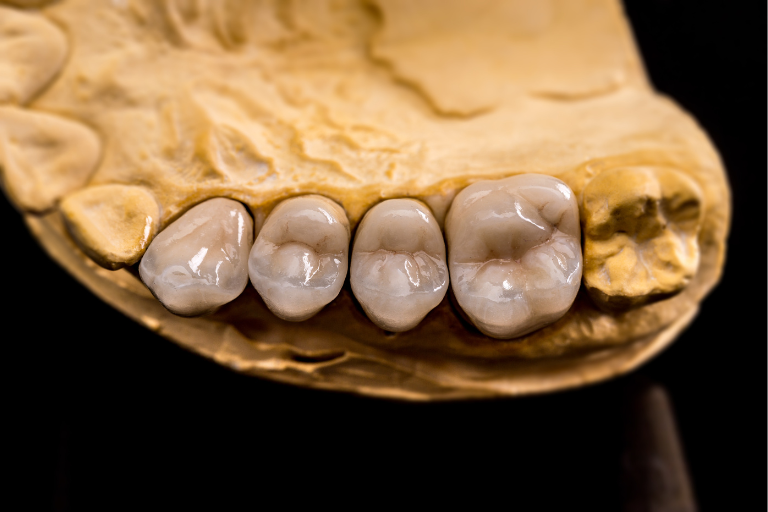
Getting a dental crown is a big step toward restoring your smile, comfort, and confidence. Whether you’ve just left the dentist’s chair or you’re a few days into recovery, what you eat next plays a major role in how well your crown settles and how long it lasts. Many patients are surprised to learn that everyday foods, some of them favorites, can put unnecessary stress on a new crown if eaten too soon.
Living in Scottsdale means plenty of temptations: crunchy snacks, chewy treats, and dining out with friends. The good news? You don’t need to give them up forever—just long enough to protect your investment and avoid discomfort.
Restore Your Teeth with Confidence – Book Your Crown Today!

Thanks for reading our guide on caring for your dental crowns! At Pinnacle Peak Dentistry, Dr. Michael Schwartz and our skilled team are committed to helping you restore your teeth with durable, natural-looking crowns that enhance both function and appearance.
Whether you’re considering a crown to strengthen a damaged tooth or need guidance on maintaining your restoration, we provide care tailored to your needs. Your treatment plan is always personalized, ensuring comfort and long-lasting results.
With Pinnacle Peak Dentistry, your experience is centered on quality, precision, and patient-focused care -so you can enjoy the benefits of a healthier, fully restored tooth with confidence.
Let’s walk through what foods to avoid, why it matters, and how to keep your crown in great shape from day one.
Why Diet Matters After a Dental Crown
A dental crown is designed to be strong, but immediately after placement especially if you have a temporary crown the tooth and surrounding tissues are still adjusting. The cement needs time to fully set, and your bite may feel slightly different at first.
Eating the wrong foods too soon can lead to:
- Crown loosening or damage
- Tooth sensitivity or pain
- Gum irritation around the crowned tooth
- Costly repairs or replacements
That’s why dentists offering dental crowns in Scottsdale often recommend being extra cautious during the first 24–48 hours.
Foods You Should Avoid After Getting a Crown
1. Hard and Crunchy Foods
Hard foods can crack or dislodge a crown, particularly temporary ones.
Avoid:
- Ice
- Nuts
- Hard candy
- Popcorn kernels
- Crusty bread ends
Scottsdale movie nights with popcorn can wait – your crown will thank you.
2. Sticky and Chewy Foods
Sticky foods can pull a crown loose, especially before the cement has fully bonded.
Avoid:
- Caramel
- Taffy
- Gummy candies
- Chewing gum
These foods are some of the most common causes of crowns coming off unexpectedly.
3. Extremely Hot or Cold Foods
Temperature extremes can trigger sensitivity, especially if the nerve is still healing.
Avoid:
- Ice cream
- Hot soup or coffee
- Frozen drinks
This is particularly important during Arizona summers, when icy beverages are hard to resist.
4. Tough or Fibrous Meats
Chewing tough foods requires extra force, which can stress your crown.
Avoid:
- Steak
- Jerky
- Ribs
Opt for softer protein options like eggs, fish, or shredded chicken instead.
5. Sugary Foods and Drinks
While sugar won’t damage the crown itself, it can affect the natural tooth underneath and the surrounding gums.
Limit:
- Sodas
- Pastries
- Candy
Maintaining good oral hygiene is essential to ensure your crown lasts for years.
What You Can Eat Instead
To make recovery easier, choose softer foods that are gentle on your crown:
- Yogurt
- Mashed potatoes
- Smoothies (not icy cold)
- Scrambled eggs
- Oatmeal
- Pasta
These options help you stay comfortable while allowing your crown to settle properly.
Helpful Tips for Eating After a Crown
- Chew on the opposite side of your mouth for the first couple of days
- Take smaller bites to reduce pressure
- Avoid using crowned teeth to bite into foods like apples or sandwiches
- Wait until numbness wears off to prevent accidental cheek or tongue bites
Patients receiving dental crowns in Scottsdale often find that following these simple habits helps avoid unnecessary follow-up visits.
How Long Do These Restrictions Last?
For most patients:
- Temporary crowns: Be cautious the entire time you have it
- Permanent crowns: Extra care for the first 24–48 hours
After that, you can slowly return to your normal diet just avoid making a habit of chewing ice or hard candy, even long-term.
Excellent experience today at Pinnacle Peak Dentistry! Professional, knowledgeable, kind and friendly care all around from Dr Schwartz the dental hygienist and the front desk staff. – T Benson
Find out why patients love Pinnacle Peak Dentistry – read our Google reviews.
Keeping Your Tooth Secure
A dental crown is meant to protect your tooth and restore full function, but the first few days are critical. By avoiding certain foods and making mindful choices, you can ensure your crown stays secure and comfortable.
If you’re considering dental crowns in Scottsdale or need guidance after a recent procedure, expert care makes all the difference. At the end of the day, your smile deserves attention from a team that understands both advanced dentistry and the lifestyle of the local community.
Schedule your appointment with Pinnacle Peak Dentistry today and let us help you protect your smile for years to come.
FAQs
How Soon Can I Eat After Getting A Crown?
You can usually eat once the numbness wears off. Start with soft foods and avoid chewing on The Crowned Tooth for at least A Day.
Can A Crown Break If I Eat The Wrong Food?
Yes. Hard or sticky foods can crack or dislodge a crown, especially soon after placement.
Is Sensitivity Normal After Getting A Crown?
Mild sensitivity is common and usually fades within a few days. Persistent pain should be checked by your dentist.
Do Permanent Crowns Need Special Care?
They don’t require special products, but good brushing, flossing, and routine dental visits are essential.
When Should I Call My Dentist?
If your crown feels loose, painful, or your bite feels off, don’t wait schedule an appointment promptly.