Michael Schwartz, DMD
Am I a Good Dental Implant Candidate? 7 Factors Your Dentist Evaluates

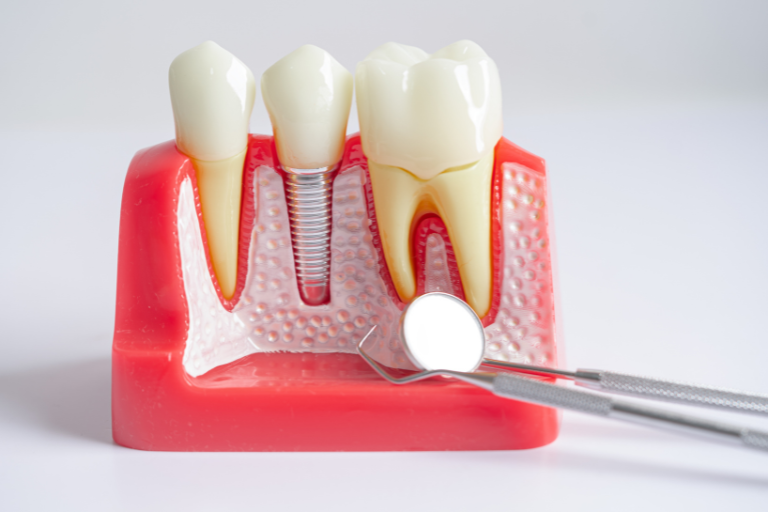
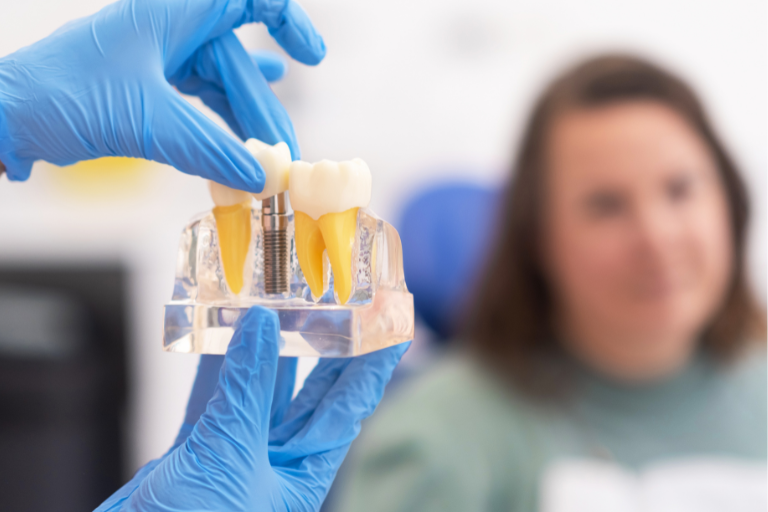
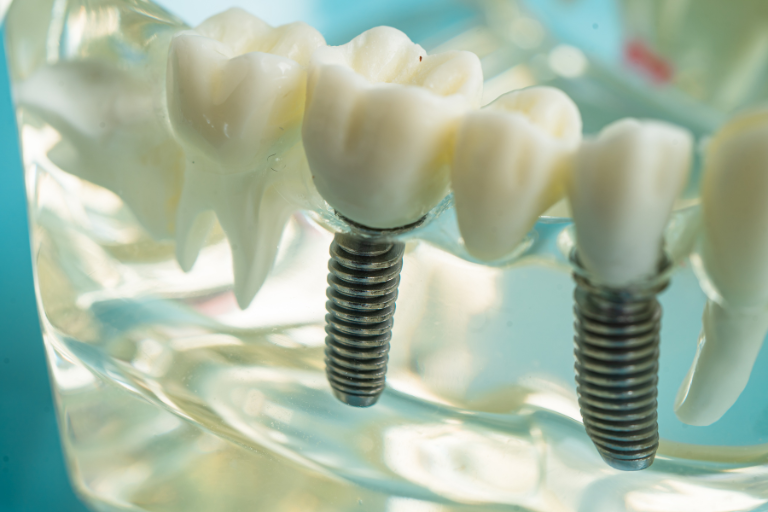
Losing a tooth changes more than your smile. It changes how you eat, how you speak, and if you’re being completely honest how comfortable you feel in everyday situations. Whether it happened from an accident, decay, or a tooth that had been struggling for years, you’ve probably started asking yourself the same question most patients eventually land on: Am I actually a good candidate for dental implants?
It’s one of the most common questions we hear here in North Scottsdale. And the honest answer is: many healthy adults are but implant candidacy isn’t a blanket yes or no. A thorough in-person evaluation with a qualified Scottsdale dentist is the only way to know for certain. That evaluation looks at seven specific factors, each of which directly affects how successful your outcome will be.
Wondering If Dental Implants Are Right for You? Let’s Find Out!

Thank you for learning more about what makes someone a strong candidate for dental implants. At Pinnacle Peak Dentistry, Dr. Michael Schwartz is committed to breaking down these important details in a clear and practical way.
Bone structure, gum condition, and overall health all work together to influence success. Understanding these factors early helps eliminate uncertainty later.
With the right preparation and guidance, patients can approach treatment with greater confidence and clarity.
Here’s exactly what your dentist is looking for.
7 Factors That Determine Whether You’re a Good Dental Implant Candidate
1. Jawbone Density and Volume
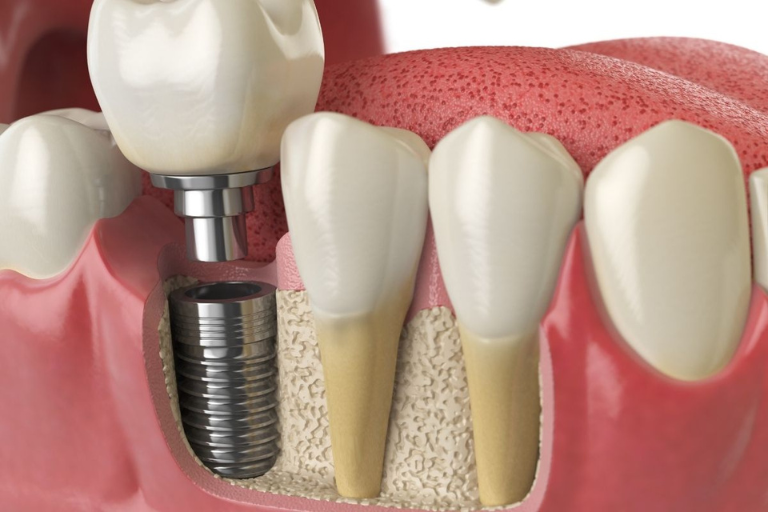
This is almost always the first thing your dentist assesses. Implants are anchored directly into the jawbone, acting as artificial tooth roots so there needs to be enough healthy bone present to hold them securely in place. When a tooth has been missing for a year or more, the underlying bone begins to shrink through a process called resorption.
A 3D cone beam CT scan gives your dentist a precise, detailed picture of what’s there. If bone volume is lower than ideal, bone grafting may be an option to rebuild the foundation before implant placement moves forward.
2. Gum Health
Healthy gums are essential. Active periodontal disease creates an environment where bacteria can compromise the implant site, increasing the risk of a condition called peri-implantitis essentially, gum disease around the implant itself. The encouraging part is that gum disease is very treatable. Patients with well-controlled gum health after a course of periodontal therapy frequently go on to become strong implant candidates.
3. Overall Oral Health
Your dentist won’t just evaluate the site where the implant would go, they’ll assess your entire mouth. Untreated cavities, cracked teeth, or a compromised root canal near the implant area all need to be addressed first. Think of it as making sure the surrounding structure is stable before adding something permanent to it.
4. General Health and Medical History
Certain medical conditions affect how well your body heals following implant surgery. Uncontrolled diabetes, autoimmune disorders, and active cancer treatment can all interfere with osseointegration, the critical process where bone bonds to the implant post. Blood thinners and some osteoporosis medications are also important to discuss.
This doesn’t automatically disqualify anyone. It means your care needs thoughtful coordination between your dentist and your primary physician.
5. Smoking and Tobacco Use
Smoking is one of the most significant risk factors for implant failure. It reduces blood flow to the gum tissue, slows the body’s healing response, and increases the chance of infection all simultaneously. Research consistently shows higher implant failure rates among smokers versus non-smokers. Patients who quit before and after the procedure meaningfully improve their long-term success rate. Your dentist will have this conversation with you directly and without judgment.
6. Age and Jaw Development
Dental implants are not recommended for patients whose jawbones are still actively developing, typically anyone under 18. For younger patients with a missing tooth, there are temporary restorative options that work well until implant candidacy becomes appropriate.
On the other end of the spectrum, there is no upper age limit for dental implants in Scottsdale. Many patients in their 70s and 80s successfully complete the implant process each year, provided their overall health supports it.
7. Commitment to Long-Term Oral Care
This one catches some patients off guard. Implants themselves don’t decay but the surrounding tissue absolutely can develop problems without consistent upkeep. Daily brushing, flossing, and keeping up with regular professional cleanings are what make the difference between implants that last ten years and implants that last a lifetime.
Your dentist is evaluating your mouth, yes. But they’re also assessing your willingness to take care of it long-term.
What Scottsdale Patients Should Know
North Scottsdale residents tend to be active and health-forward hikers, golfers, pickleball players, people who are visible in their professional and personal lives. That lifestyle is exactly what makes implants such a compelling option. Unlike removable dentures, implants don’t shift during physical activity, don’t require adhesives, and feel completely natural during daily life.
For patients exploring dental implants in Scottsdale, the evaluation process is straightforward. It typically comes down to one comprehensive consultation visit that covers imaging, health history, and a personalized recommendation.
One thing worth noting for local patients: the desert climate here in the Valley can contribute to dry mouth over time. Reduced saliva flow affects gum tissue health and plays a quiet but real role in implant candidacy. If you’re spending time outdoors at McDowell Sonoran Preserve, on the golf course, or just managing our 110-degree summers staying consistently hydrated supports your oral health just as much as it supports everything else.
My husband and I think Dr Schwartz is the best dentist there is. He has done so much good for us with our dental work! – C Kristine
Confidence starts with trust. Read our Google reviews and learn from others’ experiences.
Take the First Step With Pinnacle Peak Dentistry
If you’ve been wondering whether dental implants are within reach for you, the best thing you can do is stop wondering and start finding out.
At Pinnacle Peak Dentistry, Dr. Michael Schwartz a North Scottsdale native and Doctor of Dental Medicine brings a careful, patient-first approach to every evaluation. As your trusted Scottsdale dentist, Dr. Schwartz takes the time to walk you through your options clearly, explain what’s realistic, and build a plan that makes sense for your specific smile and lifestyle.
We’re located at 7679 East Pinnacle Peak Road, Suite #115, right here in the heart of North Scottsdale, easy to find, and a team you’ll feel comfortable coming back to.
Call us at 602-844-5402 or book your consultation online at Pinnacle Peak Dentistry.
Your next chapter starts with one conversation.
FAQs
How Long Does The Dental Implant Process Take?
Typically three to nine months, depending on whether bone grafting is needed and how quickly osseointegration occurs.
Can I Get an Implant If I’ve Lost a Significant Bone?
Often, yes. Bone grafting can rebuild the foundation first. A 3D scan will confirm whether that step is necessary.
What Happens If I Don’t Replace A Missing Tooth?
Neighboring teeth shift, the jawbone beneath the gap shrinks, and bite alignment deteriorates often making future treatment more involved.
How Do I Know If I Need A Bone Graft Before Getting Dental Implants In Scottsdale?
A 3D cone beam scan confirms it. That’s typically one of the first steps in your evaluation.