Michael Schwartz, DMD

Full Mouth Dental Implants: Everything You Need to Know

Losing multiple teeth or even all of your teeth can feel like losing a piece of yourself. The way you talk, eat, and carry yourself in public shifts. For many people living in the Scottsdale area, that shift quietly affects their confidence and quality of life every single day.
Full mouth dental implants have changed what’s possible for patients who are done settling for dentures that slip or gaps that make eating certain foods feel like a gamble. If you’ve been exploring your options, this guide breaks down everything you need to know from how implants actually work to what the process looks like from your first appointment to your final result.

Thanks for taking the time to read through everything we’ve put together on full mouth dental implants. At Pinnacle Peak Dentistry, Dr. Michael Schwartz and our dedicated team are committed to helping you understand your options clearly so you can make the right decision for your health, your confidence, and your quality of life.
Whether you’re just starting to explore full mouth implants or you’re ready to take the next step, we’re here to guide you every step of the way. Schedule your consultation at Pinnacle Peak Dentistry and experience care that is always personalized, always patient-focused, and built around what matters most to you.
What Are Full Mouth Dental Implants?
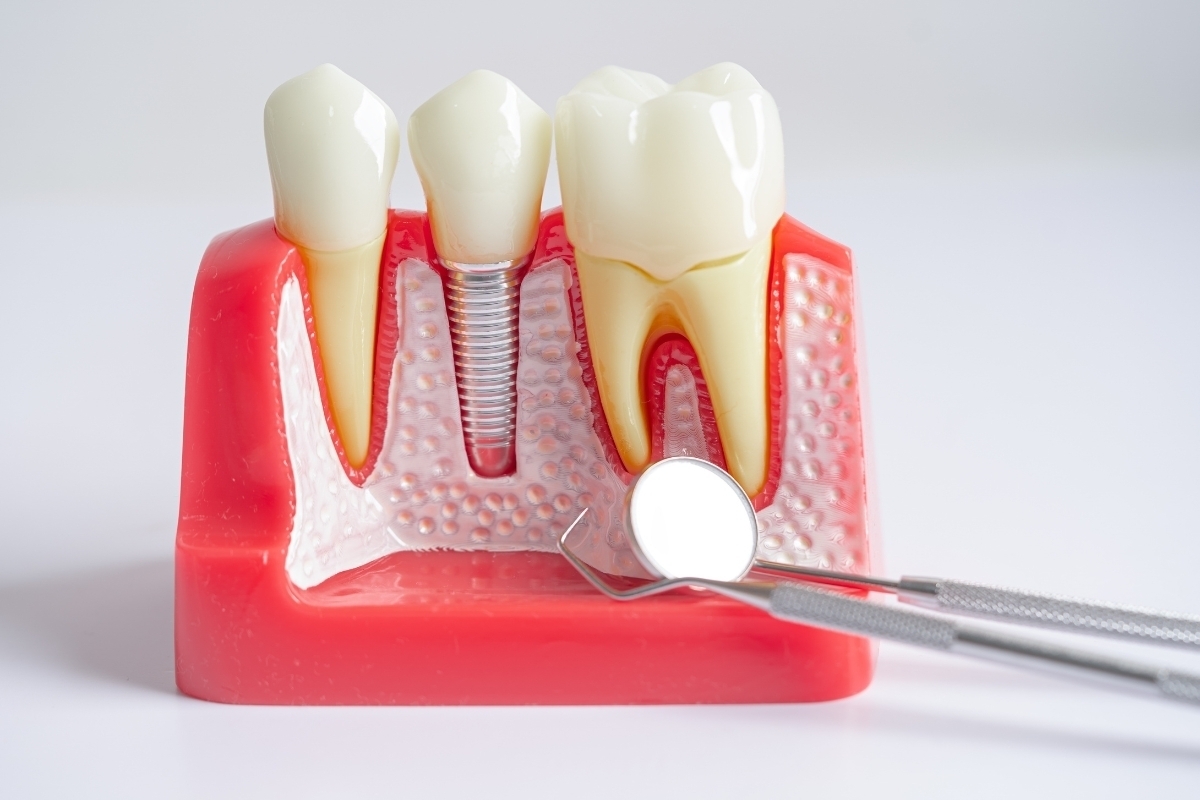
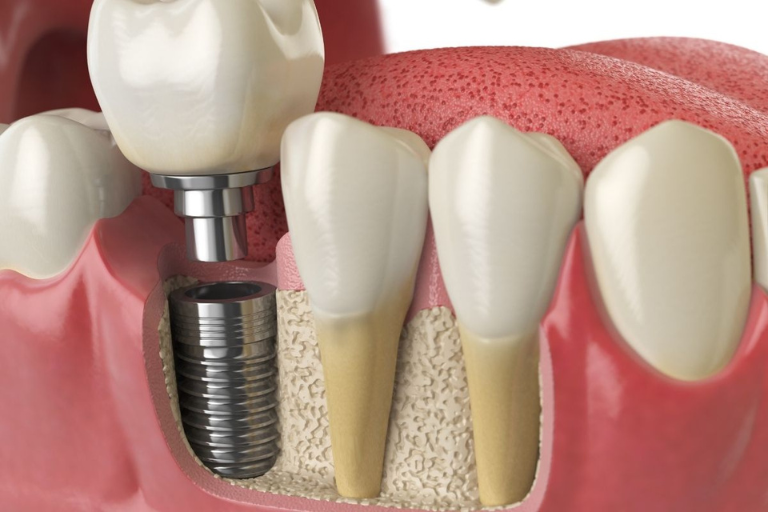
Full mouth dental implants replace an entire arch or both arches of teeth using titanium posts anchored directly into the jawbone. Unlike traditional dentures, they don’t sit on top of your gums. They’re fixed in place, functioning the way natural teeth do.
The most well-known approach is the All-on-4 technique, where four precisely placed implants support a full arch of teeth. There’s also All-on-6, which uses six implants for added stability often recommended for patients with a broader jaw or specific bone density considerations. Your dentist will recommend the right approach based on your anatomy and goals.
What makes these solutions different from anything that came before is the permanence. You’re not taking anything out at night. You’re not dealing with adhesives. You’re eating, speaking, and living normally.
Who Is a Good Candidate?
Most adults who are missing all or most of their teeth or who have teeth that are too damaged or decayed to save are potential candidates. Candidacy depends on a few key factors:
Jawbone density plays a central role. Implants need adequate bone to fuse with, a process called osseointegration. Patients who’ve been missing teeth for years sometimes experience bone loss, but that doesn’t automatically disqualify you. Bone grafting can rebuild the foundation when needed.
Overall health matters too. Certain conditions like uncontrolled diabetes or autoimmune disorders may affect healing. A thorough medical and dental evaluation helps identify any factors that need to be addressed before moving forward.
Lifestyle habits, particularly smoking, can interfere with how well implants integrate with the bone. Your dental team will walk you through how to prepare for the best outcome.
The Full Mouth Implant Process, Step by Step
Understanding what to expect takes the mystery and the anxiety out of the process.
Initial Consultation and Imaging
Your journey starts with a comprehensive exam that includes 3D imaging (often a cone beam CT scan). This lets your dentist map out the exact position, angle, and depth of each implant with precision. There’s no guesswork involved.
Treatment Planning
Every patient’s anatomy is different. Your treatment plan is built around your specific bone structure, bite, and aesthetic goals. This is where the number of implants, the type of restoration, and the timeline all get determined.
Implant Placement
The implants are placed surgically under local anesthesia or sedation, depending on what your dentist recommends and what you’re comfortable with. Many patients report the process was far more manageable than they expected.
Healing and Osseointegration
Over the next few months, the implants fuse with your jawbone. A temporary restoration is typically placed so you’re never without teeth during this phase.
Final Restoration
Once healing is complete, your permanent teeth custom-crafted to match natural proportions and fit comfortably are attached. This is the last step, and it’s a significant one.
Life After Full Mouth Implants
This is where the difference really becomes clear. Patients consistently report being able to eat foods they’d avoided for years corn on the cob, apples, steak. Speaking in public without worrying about slipping. Waking up and going to sleep without taking anything out.
Maintenance is straightforward. You brush and floss just like you would with natural teeth. Regular cleanings and check-ups at your dental office keep everything in good shape for the long term. With proper care, full mouth implants can last decades, often a lifetime.
Why Scottsdale Patients Choose This Option
Scottsdale is home to an active, outdoor-oriented community. Residents here hike Camelback Mountain, spend weekends at Westworld events, dine at some of the Valley’s best restaurants, and generally live at a high pace. Missing teeth or unstable dentures get in the way of all of it.
The demand for dental implants in Scottsdale has grown significantly over the past decade, and with good reason. Advances in implant technology and digital treatment planning have made the process more predictable, more comfortable, and more accessible than ever before. Patients no longer need to travel to major metros or specialty clinics to access world-class implant care. It’s available right here in the community.
There’s also a practical side to it. The dry desert climate and active lifestyle that makes Scottsdale so appealing means people want solutions that keep up with them, not appliances they have to worry about throughout the day.
Choosing the Right Dental Team
Not all implant providers are the same. When evaluating options, look for a practice that uses advanced imaging technology, offers sedation for patient comfort, takes a fully customized approach to treatment planning, and has a track record of successful outcomes.
The conversation you have at your consultation says a lot. A good implant team listens, answers your questions honestly, and never rushes you into a decision.
New to Pinnacle Peak Dentistry but, happy with Dr Schwartz and staff. Dr Schwartz is very through, caring and competent. – D Cabell
Not sure where to start? Let our patients guide you. Their Google reviews are the most honest recommendation we can offer.
Ready to Take the Next Step?
At Pinnacle Peak Dentistry, we’ve helped patients across the North Scottsdale area reclaim full dental function with implant solutions tailored to their unique needs. Our team combines advanced technology with a patient-first approach because this is about your life, not just your teeth.
If you’re ready to explore whether full mouth dental implants are right for you, we’d love to start that conversation. Dental implants in Scottsdale don’t have to be complicated and neither does getting started.
Book Your Appointment at Pinnacle Peak Dentistry Today
FAQs
Does The Procedure Hurt?
Most patients are surprised by how manageable discomfort is during and after implant placement. Anesthesia handles the procedure itself, and over-the-counter pain relief is typically sufficient during recovery.
How Long Does The Whole Process Take?
From the first consultation to the final restoration, the full process often spans four to eight months largely because of the healing time required for osseointegration. Some patients may qualify for same-day teeth, which compresses the timeline significantly.
What If I’ve Had Dentures For Years?
Years of wearing dentures often leads to bone resorption, but that’s a starting point not a dead end. Many long-term denture wearers successfully transition to dental implants in Scottsdale after bone grafting and a personalized treatment plan.
Can I Get Implants If I Have Gum Disease?
Yes, but gum disease must be fully treated first. Once your gums are healthy, most patients are cleared to proceed with implant placement.
Will Implants Look Like My Natural Teeth?
Absolutely. Each restoration is custom-designed to match your natural tooth shape and shade; most people won’t notice a difference.