Michael Schwartz, DMD

Why Does Pain Get Worse a Few Days After a Root Canal?

You expected the pain to fade after your root canal therapy — instead, it feels like it’s getting worse on day three or four. That reaction is understandable, but it’s more common than most patients realize, and it doesn’t automatically mean something went wrong. At Pinnacle Peak Dentistry in Scottsdale, this is one of the questions our root canal patients ask most often during their follow-up calls.
Quick answer: Mild to moderate discomfort that peaks around 24–48 hours and gradually improves is normal post-root canal healing. Pain that is still rising, sharp, or accompanied by swelling after day three to five is not typical and should be evaluated by your dentist promptly.
Why Some Discomfort After a Root Canal Is Expected
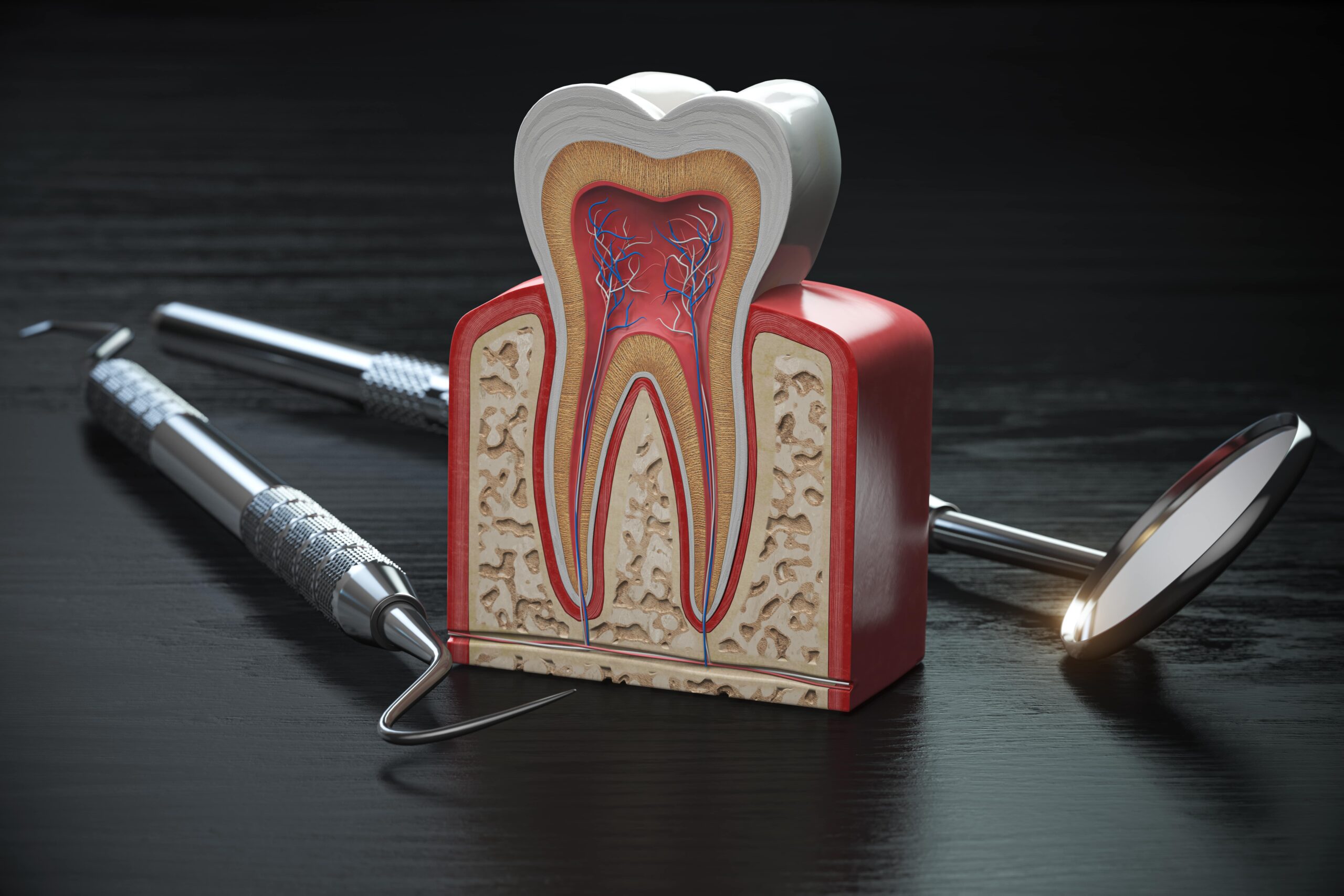
A root canal removes infected or inflamed pulp tissue from inside the tooth, but the ligament holding the tooth in your jawbone is still very much alive — and it was disturbed during treatment. That irritation, not the “nerve” itself, is usually what you’re feeling in the days afterward. Clinical research on post-treatment pain shows discomfort is most common in the first 24 to 48 hours after the procedure, with the percentage of patients reporting pain dropping substantially by the one-week mark. In other words, an early bump in soreness that then trends downward fits the expected healing curve.
You may also notice tenderness when biting down or touching the tooth. That’s the periodontal ligament — the tissue anchoring your tooth — recovering from the mechanical work of the procedure, not a sign the infection is still active.
When “Getting Worse” Crosses Into a Problem
The distinction that actually matters isn’t whether you have pain a few days out — it’s the direction it’s moving.
Likely still normal:
- Dull ache or pressure that fluctuates but is gradually easing
- Sensitivity when chewing on that side
- Mild soreness in the gum near the treated tooth
Worth a call to our Scottsdale office:
- Pain that is more intense on day four or five than it was on day one
- Throbbing, sharp, or “hot” pain instead of dull soreness
- Swelling in the face, cheek, or jaw that’s increasing rather than settling
- A bad taste, drainage, or visible pus near the tooth
- Fever or a general feeling of illness
What Causes Pain to Worsen Instead of Improve
A handful of specific issues can drive pain in the wrong direction:
- A missed or complex canal. Teeth — especially molars — can have extra canals that are difficult to detect. If one is left untreated, the infection inside it can continue to cause pain.
- Residual or recurring infection. Bacteria trapped deep in the canal system can flare up again even after the visible symptoms seemed to resolve.
- A cracked tooth. Sometimes a crack that wasn’t visible during treatment becomes more apparent as you resume normal chewing.
- An ill-fitting temporary or permanent restoration. If the filling or crown sits slightly high, it can put uneven pressure on the tooth every time you bite.
- Referred pain from a neighboring tooth or the bite itself. Occasionally what feels like “the root canal tooth hurting” is actually a nearby tooth or a bite misalignment.
None of these are unusual, and all of them are treatable — but they do need a dentist to look at the tooth rather than waiting it out on ibuprofen.
What to Do If Your Pain Is Increasing
- Track the timeline. Note when the pain started increasing and how it compares day to day — this helps your dentist diagnose faster.
- Avoid chewing on that side until you’re seen.
- Use over-the-counter anti-inflammatories as directed, unless your dentist has told you otherwise.
- Watch for swelling or fever, which are the clearest signs this needs same-day attention rather than a routine follow-up.
- Call your dental office rather than waiting for your scheduled follow-up if pain is trending upward past day three.
How We Approach This at Pinnacle Peak Dentistry
When a Scottsdale patient calls us with rising pain after a root canal, we don’t guess — we bring you in for an updated exam and, when needed, imaging to see whether an additional canal, a developing crack, or a restoration issue is behind it. Most of the time, the fix is straightforward: retreating the canal, adjusting a high bite, or, in less common cases, referring for further evaluation. If you’re earlier in the process and want to understand why the tooth needed treatment in the first place, our guide on what causes tooth infections that lead to root canals is a good next read.
Pain increasing instead of easing after your root canal? Don’t wait it out; schedule an appointment with Pinnacle Peak Dentistry in Scottsdale and our team will get you in quickly to check the tooth and get your recovery back on track.
Preventing Complications After Your Root Canal
- Stick to the temporary or permanent restoration your dentist recommends — don’t chew hard foods on that tooth until it’s fully restored
- Keep your follow-up appointment even if the pain has resolved
- Report new symptoms early rather than waiting to see if they pass
- Maintain good oral hygiene around the treated tooth to reduce reinfection risk
Pain that lingers past the first few days doesn’t mean your root canal failed — but it does mean it’s time for a look, not a guess. If you’re unsure whether what you’re feeling is routine healing or something more, our guide on how to tell if tooth pain is an emergency can help you decide how quickly to act.
FAQ
Is it normal for root canal pain to get worse before it gets better?
Some fluctuation in the first 24–48 hours is common. What’s not typical is pain that continues climbing past day three or four — that pattern warrants a follow-up visit.
How many days after a root canal should I expect pain?
Most discomfort peaks within the first two days and steadily improves over the following week. Pain still present or worsening after five days should be evaluated.
Does increasing pain always mean the root canal failed?
No. It can mean a missed canal, a high bite, or a restoration issue — all fixable without redoing the entire procedure in most cases.
Can a root canal tooth still get infected after treatment?
Yes, though it’s uncommon. Bacteria can occasionally persist in complex canal systems or re-enter through a compromised restoration.
When should I go to the ER instead of calling my dentist?
If you have significant facial swelling, difficulty swallowing or breathing, or a high fever, seek emergency care immediately — these can indicate a spreading infection.
Will I need antibiotics if my root canal pain is getting worse?
Sometimes, if your dentist identifies an active infection. Not every case of increased pain requires antibiotics — an exam determines whether they’re needed.