Michael Schwartz, DMD

Dental Implant Failure: 12 Warning Signs and How to Prevent It

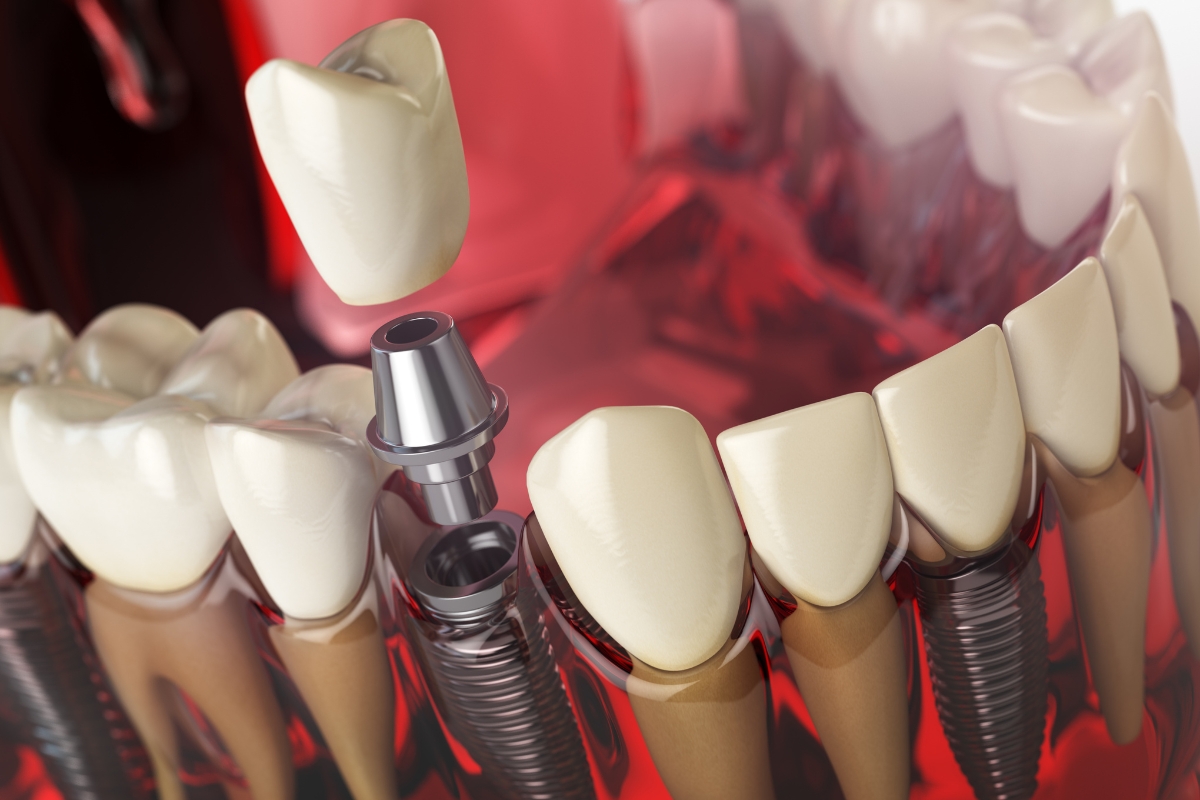
Dental implants have become the gold standard in restorative dentistry and for good reason. They look, feel, and function like natural teeth. But like any medical procedure, they’re not completely immune to complications. Understanding the early warning signs of failure can be the difference between saving your implant and losing it entirely.
Whether you’ve recently undergone dental implants procedure or you’re still in the planning phase, knowing what to watch for puts you in control of your oral health.
Why Dental Implant Failure Happens
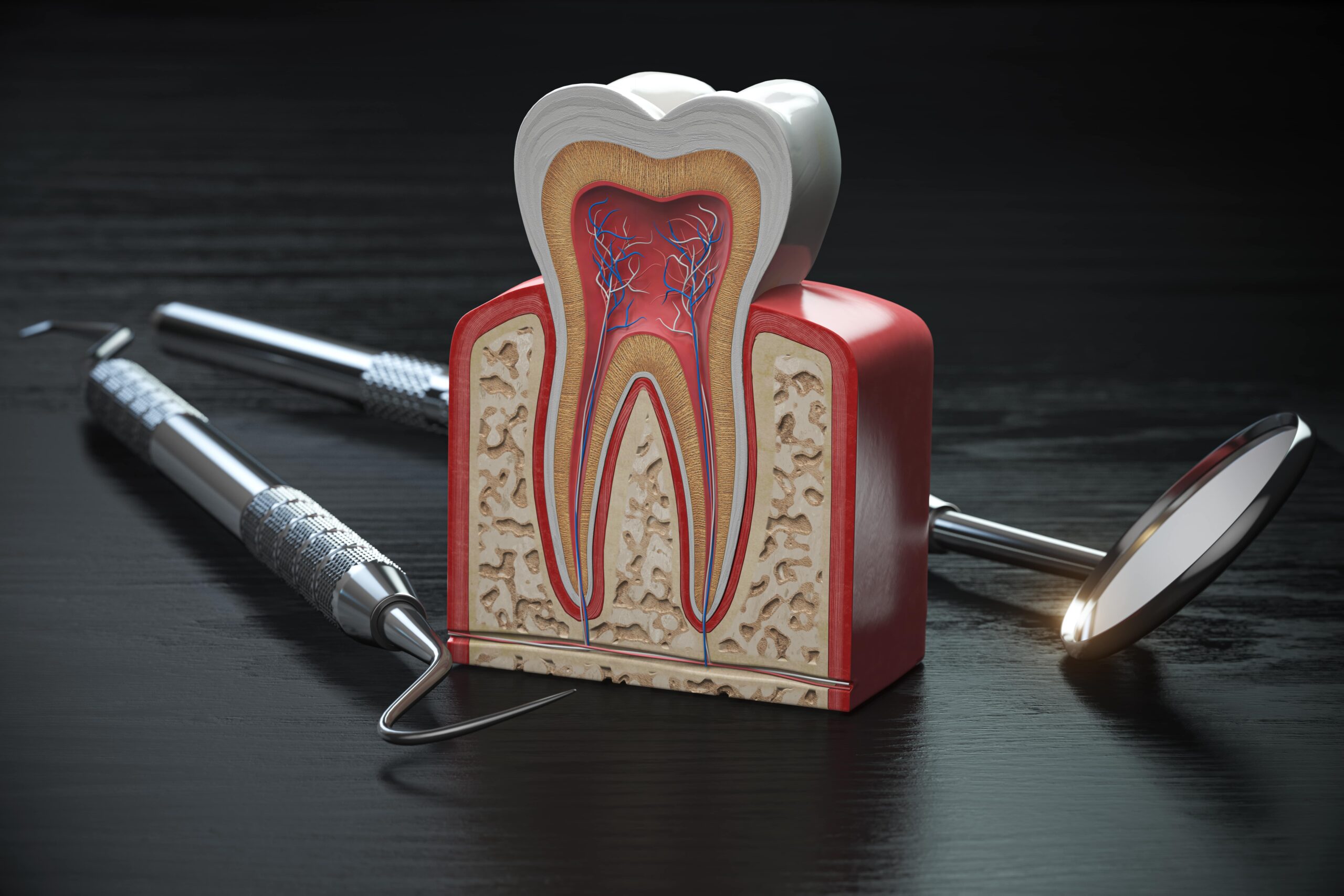
Implant failure isn’t random. It’s usually tied to one of three root causes: poor bone integration, infection, or mechanical stress. Most failures fall into two windows early (within the first few months) or late (after the implant has already fused with the bone). Both are preventable when caught in time.
For those who’ve placed their trust in dental implants in Scottsdale, the desert climate adds a unique layer of consideration. Scottsdale’s dry heat can contribute to chronic dehydration, which reduces saliva flow and saliva is your mouth’s first line of defense against infection-causing bacteria.
12 Warning Signs of Dental Implant Failure
1. Persistent Pain Beyond the Healing Period
Some discomfort after surgery is expected. But pain that continues or worsens after the first two weeks is not normal. Sharp, throbbing, or radiating pain around the implant site warrants an immediate call to your dentist.
2. Implant Movement or Wobbling
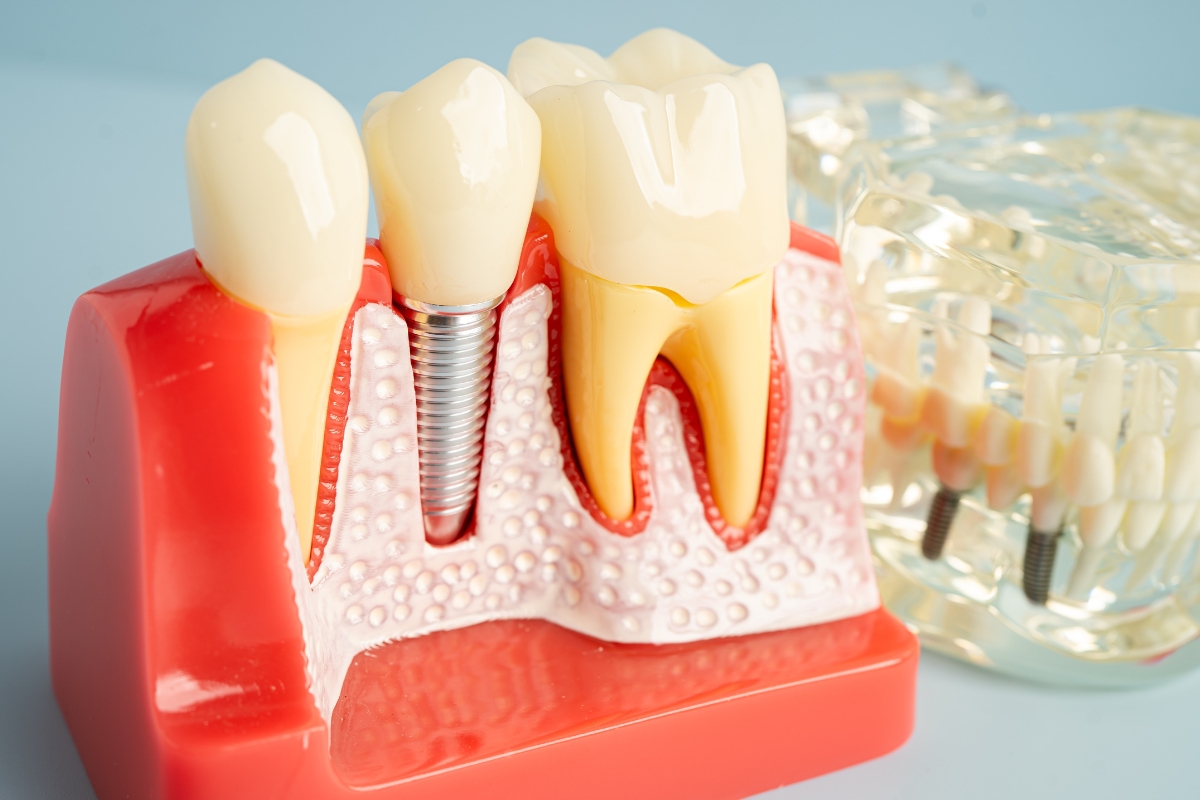
A properly integrated implant should feel as stable as a natural tooth root. Any detectable movement, even slight, is a red flag. This typically signals osseointegration failure, meaning the implant hasn’t bonded correctly with your jawbone.
3. Swelling That Won’t Subside
Mild swelling in the days following surgery is expected. Swelling that returns weeks or months later, especially when paired with tenderness, often points to peri-implantitis, a bacterial infection of the tissue surrounding the implant.
4. Gum Recession Around the Implant
Healthy gum tissue should sit snugly against the base of your implant crown. If you start noticing the metal post becoming visible or the gum line pulling back, that’s a sign of tissue breakdown that needs prompt attention.
5. Difficulty Chewing
Your implant should handle everyday chewing without pain or pressure. If biting into food feels uncomfortable or uneven, your implant may be poorly positioned or the bite alignment may need adjustment.
6. Unusual Taste or Odor
A persistent bad taste or smell that doesn’t resolve with brushing is often tied to bacterial buildup or infection around the implant site. Don’t dismiss this as bad breath; it could signal something more serious happening beneath the gum line.
7. Bleeding Around the Implant Site
Occasional sensitivity during brushing is one thing. Regular bleeding around the implant especially unprompted suggests inflamed or infected gum tissue that needs professional evaluation.
8. Loose or Damaged Crown
The crown (visible tooth portion) can sometimes loosen from the abutment. While this is different from implant body failure, it still needs prompt repair to prevent bacterial infiltration.
9. Numbness or Tingling
If you experience numbness, tingling, or a strange sensation in your lip, chin, or gums after implant placement, it may indicate nerve irritation or improper implant positioning near a nerve channel.
10. Sinus Pressure or Congestion (Upper Jaw Only)
For upper jaw implants, a poorly placed implant can protrude into the sinus cavity. If you notice sinus pressure, recurring congestion, or discomfort after upper implant surgery, tell your dentist immediately.
11. X-Ray Shows Bone Loss
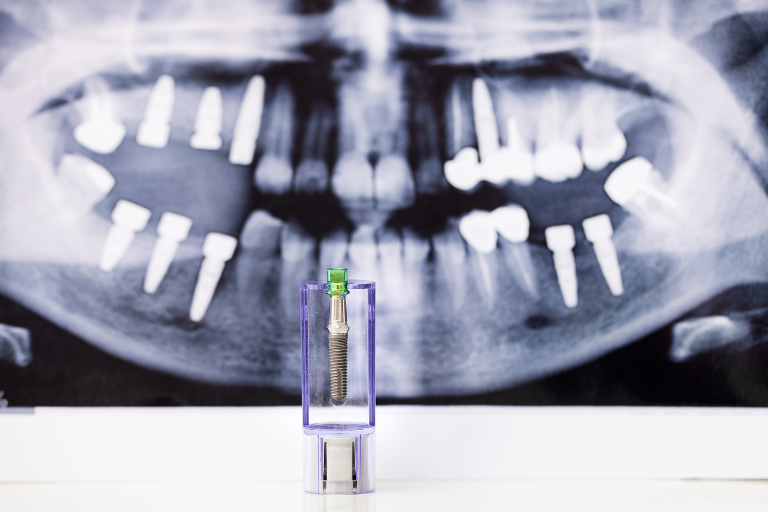
This one is often caught during a routine check-up. Gradual bone loss around the implant base visible on dental X-rays is a serious indicator of peri-implantitis or mechanical overload. It reinforces why regular follow-up appointments are so important.
12. Implant Site Feels “Different”
Sometimes patients describe a vague feeling that “something’s not right” the area feels tender, tight, or unusual. Trust your instincts and get it checked. You know your body better than anyone.
How to Prevent Dental Implant Failure
Prevention starts before you even sit in the dental chair and continues long after your crown is placed.
Choose an experienced provider. The skill of the implant dentist matters enormously. Proper placement, depth, and angulation all impact long-term success.
Commit to oral hygiene. Brush twice daily with a soft-bristled brush, floss around the implant, and consider a water flosser to clean areas traditional floss can miss.
Stay hydrated. This is especially relevant here in Scottsdale, where dry summers can leave mouths parched. Low saliva production creates an environment where bacteria thrive.
Don’t smoke. Tobacco use is one of the single biggest risk factors for implant failure. Nicotine restricts blood flow to gum tissue, slowing healing and increasing infection risk.
Wear a nightguard if you grind your teeth. Bruxism (teeth grinding) places excessive mechanical force on implants and can disrupt osseointegration over time.
Keep every follow-up appointment. Routine check-ups allow your dentist to catch early-stage issues on X-rays long before you’d feel symptoms.
Scottsdale Patients: What You Should Know
Scottsdale’s population is active, health-conscious, and increasingly turning to implants as a permanent solution to tooth loss and rightfully so. With a success rate above 95% in healthy patients, dental implants in Scottsdale are one of the most reliable procedures in modern dentistry.
That said, the high-altitude desert environment does place certain demands on oral health. Dry air, seasonal allergies, and a culture of high-impact outdoor activities (which can lead to sports-related dental trauma) all play into the local picture. Working with a dentist who understands these regional nuances makes a real difference in your care plan.
Ready to Protect Your Smile?
At Pinnacle Peak Dentistry, we’ve helped countless Scottsdale residents restore their smiles with dental implants in Scottsdale that are placed with precision, care, and a commitment to long-term success. If you’re experiencing any of the warning signs above or if you’re ready to explore your implant options for the first time we’re here to help.
Don’t wait for a small concern to become a bigger problem. Call us today or book your appointment online. One conversation today can help prevent more complex treatment tomorrow.
Frequently Asked Questions
How do I know if my dental implant is failing?
Watch for persistent pain, implant movement, swelling, gum recession, or an unusual taste around the site. Any of these warrant a prompt dental visit.
Can a failing dental implant be saved?
Often yes, if caught early. Treatment may include antibiotics, bone grafting, or in severe cases, implant removal and replacement after healing.
How long do dental implants last?
The titanium post can last a lifetime with proper care. The crown typically needs replacement every 10 to 15 years.
Is dental implant failure painful?
Usually. Pain beyond the normal healing period or pain that returns after feeling fine is a key warning sign. Some nerve-related issues may cause numbness or tingling instead.
What is the success rate for dental implants in Scottsdale?
In healthy, non-smoking patients, implants succeed 95 to 98 percent of the time. Choosing an experienced dentist and following aftercare instructions keeps you in that range.